Heart Testing Before Organ Transplant: Things Every Patient Should Know

Heart Testing Before Organ Transplant: Things Every Patient Should Know

If you’re being evaluated for a kidney or liver transplant, you’ve probably been told you need “cardiac clearance.” For many patients, heart testing before transplant feels like one more hurdle between them and a new organ. But it exists for an important reason: a healthy heart is essential to getting through transplant surgery and to protecting your new organ for years afterward.

This guide explains why your heart is checked, which tests you may need, what the results mean, and how to keep the process from delaying your place on the waitlist.


NYU Langone Is the Highest-Volume Kidney Transplant Center in New York,  Earns Nation's Top Quality Ratings | NYU Langone News

Why Your Heart Matters Before a Transplant

People with advanced kidney or liver disease have a much higher risk of heart disease than the general population. Kidney failure, diabetes, and high blood pressure, three of the most common reasons people need a kidney transplant, all damage the arteries. Liver disease brings its own heart and lung challenges.

Heart disease remains a leading cause of death after transplant. In a study of more than 17,000 kidney transplant recipients in Australia and New Zealand, ischemic heart disease caused 84% of cardiovascular deaths. Even though cardiac death rates had fallen by more than 40% over 25 years, recent recipients still had about five times the cardiac death rate of the general population. The same report noted that people on dialysis face a 10 to 20 times higher risk of cardiac death.

Transplant surgery is a major operation. Heart testing helps the transplant team:

  • Identify serious heart problems that need treatment first
  • Estimate the risk of surgery
  • Plan anesthesia and care around the operation
  • Start or adjust medicines that protect the heart long term

Who Needs Heart Testing Before Transplant?

Nearly every transplant candidate gets a basic heart evaluation. Additional testing depends on your risk factors and symptoms. You are more likely to need further testing if you have:

  • Diabetes mellitus
  • Known coronary artery disease, a prior heart attack, stent or bypass
  • Heart failure or a weak heart muscle
  • Years on dialysis
  • Older age
  • Smoking history
  • Peripheral artery disease or a prior stroke
  • Symptoms such as chest discomfort, breathlessness or fainting

Each transplant center sets its own protocol, so requirements vary between programs.

Common Heart Tests Before a Transplant

TestWhat it checksWho usually needs it
Electrocardiogram (ECG)Heart rhythm, signs of a prior heart attackNearly all candidates
EchocardiogramPumping strength, valves, heart size, estimated lung pressuresNearly all candidates
Stress test (dobutamine stress echo or nuclear stress test)Whether blood flow to the heart drops under stressCandidates with risk factors or symptoms
Coronary calcium score or coronary CT angiographyPlaque in the heart arteriesSelected candidates, depending on the center
Cardiac catheterization (coronary angiogram)Blockages in the heart arteries, with treatment possible at the same timeAbnormal stress test, high-risk findings or symptoms
Right heart catheterizationPressure in the lungs and heartSuspected pulmonary hypertension, especially before liver transplant

Many transplant candidates can’t exercise on a treadmill because of fatigue, dialysis or joint problems. That’s why medication-based stress tests, such as dobutamine stress echocardiography or a nuclear stress test, are commonly used.

7 Things Every Transplant Patient Should Know About Heart Testing

1. Heart Testing Is About Safety, Not Exclusion

The goal of heart testing before transplant is to get you through surgery safely and protect your new organ, not to find a reason to turn you down. Most patients who complete testing move forward. When a problem is found, it can often be treated.

2. An Abnormal Stress Test Doesn’t Automatically Mean a Stent

If your stress test shows reduced blood flow, the next step may be a heart catheterization. But not every blockage needs a stent. In the ISCHEMIA-CKD trial, 777 patients with advanced kidney disease and stable coronary disease were followed for about five years. Routine early stenting or bypass did not improve survival compared with intensive medical therapy: all-cause death was 40.6% vs. 37.4%. Decisions are individualized. Patients with severe symptoms, a recent heart attack or high-risk blockage patterns may still benefit from a procedure. Read the truth about coronary stents.

3. If You Need a Stent, Timing Matters

After a stent, you’ll need blood thinners called antiplatelet medicines for a period of time, and stopping them too early raises the risk of a dangerous clot in the stent. Transplant surgery can come with little notice when an organ becomes available. Your cardiologist and transplant team will plan the type of stent and the length of blood thinner therapy with your transplant timeline in mind.

4. Testing May Need to Be Repeated While You Wait

Wait times for a kidney can last years. Heart disease can progress during that time, so many centers repeat heart testing periodically, often every one to two years, especially for higher-risk patients. Keeping these appointments current helps you stay active on the waitlist.

5. Liver Transplant Candidates Have Special Heart Considerations

Advanced liver disease can affect the heart and lungs in unique ways. Liver transplant evaluation often looks for:

  • Portopulmonary hypertension: high pressure in the lung arteries linked to liver disease
  • Hepatopulmonary syndrome: abnormal blood vessels in the lungs that lower oxygen levels
  • Cirrhotic cardiomyopathy: changes in heart muscle function caused by cirrhosis

An echocardiogram is the usual first step, sometimes followed by a right heart catheterization.

6. Report New Symptoms Right Away

If you develop chest discomfort, breathlessness, swelling, palpitations or fainting while on the waitlist, tell your transplant team and cardiologist promptly. Don’t wait for your next scheduled test. See coronary artery disease warning signs you should never ignore.

7. You Can Improve Your Heart Health Before Transplant

The waiting period is an opportunity. Controlling blood pressure, cholesterol and blood sugar, staying as active as your condition allows, quitting smoking, and taking heart-protective medicines can lower your surgical risk and improve long-term results after transplant.

How to Prepare for Your Pre-Transplant Heart Evaluation

  • Bring a complete medication list, including dialysis medications and supplements.
  • Bring copies of prior heart tests, catheterization reports and stent cards.
  • Schedule tests on non-dialysis days when possible, and ask whether to hold any medicines beforehand.
  • Ask your transplant coordinator exactly which tests your center requires and when they expire.
  • Make sure your cardiologist’s results are sent directly to your transplant center.

For more on how heart risk is assessed before other operations, read do you need cardiac clearance before surgery?

Heart Care After Transplant

Heart care doesn’t end once you receive your new organ. Anti-rejection medicines can raise blood pressure, cholesterol and blood sugar. Regular follow-up with your cardiologist, along with statins and blood pressure control when needed, helps protect both your heart and your transplant. See the truth about heart medications.

Heart Testing Before Transplant FAQ

How long does pre-transplant heart testing take? Basic testing such as an ECG and echocardiogram can often be done in one or two visits. If a stress test or catheterization is needed, the full evaluation may take a few weeks.

Will a heart problem keep me off the transplant list? Usually not permanently. Many heart problems can be treated or managed. Only severe, untreatable heart disease that makes surgery too dangerous typically prevents listing.

Why do I need a stress test if I feel fine? People with kidney disease and diabetes often have coronary artery disease without typical symptoms. Testing can find problems that need attention before a major operation.

Does the contrast dye for a catheterization hurt my kidneys? Contrast can affect remaining kidney function. Your cardiologist uses the smallest necessary amount and takes protective steps. For patients already on dialysis, timing is coordinated with dialysis sessions.

How often will I need repeat testing? It depends on your risk and your center’s protocol. Many higher-risk patients are retested every one to two years while on the waitlist.

Pre-Transplant Heart Evaluations in Tampa

At Ascent Cardiology, we perform pre-transplant cardiac evaluations for kidney and liver transplant candidates and work closely with transplant teams. As an interventional cardiologist with privileges at Tampa General Hospital and St. Joseph’s Hospital, we evaluate your heart, perform catheterization and stenting when truly needed, and help keep your evaluation moving so you stay on track for transplant. As an independent practice, you see the same physician at every visit.

Request an appointment or call (813) 540-4322.

602 S Audubon Ave, Suite A, Tampa, FL 33609

Medical Disclaimer

The content provided on the Ascent Cardiology website is intended for general educational and informational purposes only. The information, articles, and media presented on this website do not constitute medical advice, diagnosis, or treatment recommendations. Content published on this website is not intended to replace consultation, evaluation, or treatment by qualified healthcare professionals, including the providers at Ascent Cardiology or other licensed medical professionals.

If you believe you may be experiencing a medical emergency, call 911 or seek immediate emergency medical care.

The medical information, opinions, and educational materials presented on this website are provided for general awareness and may not reflect the specific clinical practices or medical opinions of Ascent Cardiology or its providers. Reliance on any information provided on this website is solely at your own risk.

This website may include links to third-party medical or educational websites for informational purposes only. Ascent Cardiology does not control, endorse, or assume responsibility for the accuracy, reliability, or content of any third-party websites linked from this site.

Sources

Autoimmune Diseases and Heart Disease: Hidden Risks You Should Know

If you live with lupus, rheumatoid arthritis, psoriasis, or another autoimmune condition, your care probably focuses on your joints, skin, or energy level. But one of the most important risks of autoimmune disease is one many patients never hear about: the link between autoimmune disease and heart disease.

People with autoimmune conditions are more likely to develop heart attacks, strokes, heart failure, and other cardiovascular problems, often at younger ages and sometimes without the usual warning signs. The good news is that much of this risk can be found early and lowered with the right care.

Why Autoimmune Disease and Heart Disease Are Connected

In autoimmune disease, the immune system mistakenly attacks the body’s own tissues. That creates chronic, systemic inflammation, and inflammation is a key driver of atherosclerosis, the buildup of plaque inside the arteries.

Inflammation can:

  • Damage the inner lining of blood vessels, making it easier for plaque to form
  • Make plaque less stable and more likely to rupture and cause a heart attack or stroke
  • Promote blood clotting
  • Affect the heart muscle, valves and the sac around the heart directly in some conditions

Some autoimmune treatments can add to the risk, and fatigue, joint pain and flares can make it harder to stay active.


Autoimmune diseases and atherosclerotic cardiovascular disease | Nature  Reviews Cardiology

How Big Is the Risk?

A landmark study published in The Lancet in 2022 analyzed health records from about 22 million people in the United Kingdom. According to the study summary from KU Leuven, people with one of 19 autoimmune disorders had, on average, a 1.56 times higher risk of cardiovascular disease than people without autoimmune disease. Risk rose further with each additional autoimmune condition.

Three findings stand out:

  • The extra risk was not explained by traditional risk factors such as age, blood pressure, cholesterol, smoking, or type 2 diabetes.
  • The excess risk was especially high in people under 55, pointing to premature heart disease.
  • The added risk was comparable to that of type 2 diabetes, yet autoimmune patients rarely receive the same focus on heart prevention.

The highest risks were seen with systemic sclerosis (scleroderma), Addison’s disease, lupus, and type 1 diabetes.

Autoimmune Conditions and Their Heart Risks

Each autoimmune disease affects the heart and blood vessels a little differently.

ConditionHow it can affect the heartWhat to watch for
Rheumatoid arthritisFaster plaque buildup, higher heart attack and heart failure riskChest discomfort, breathlessness, swelling, fatigue beyond usual flares
Lupus (SLE)Early coronary artery disease, pericarditis, myocarditis, valve problems, blood clotsSharp chest pain that changes with breathing, palpitations, leg swelling
Psoriasis and psoriatic arthritisHigher risk of heart attack and stroke, especially with severe disease; more metabolic syndromeBlood pressure, cholesterol, blood sugar and weight
Systemic sclerosis (scleroderma)Heart muscle scarring, rhythm problems, pulmonary hypertensionShortness of breath, palpitations, fainting
Type 1 diabetesEarlier and more extensive coronary artery diseaseCholesterol, blood pressure, kidney function
Inflammatory bowel disease (Crohn's, ulcerative colitis)Higher risk of blood clots and heart disease, especially during flaresLeg swelling, sudden breathlessness
Ankylosing spondylitisAortic valve leakage, inflammation of the aorta, heart rhythm blocksBreathlessness, dizziness, slow pulse
Antiphospholipid syndrome (often with lupus)Blood clots in arteries and veins, heart attack and stroke at young agesSudden weakness, chest pain, leg swelling

Rheumatoid arthritis. According to Mayo Clinic, people with RA have about a 50% higher risk of heart attack and about twice the risk of heart failure. They are also less likely to have typical heart symptoms, so heart disease is often found late.

Lupus. Cardiovascular disease is a leading cause of death in people with lupus. Women aged 35 to 44 with lupus have been reported to have about 50 times the heart attack risk of other women their age. In one study, 29% of lupus patients aged 18 to 32 already had calcium buildup in their heart arteries.

Why Women Should Pay Special Attention

Most people with autoimmune disease are women, and many are diagnosed in their 20s, 30s and 40s, years when heart disease is rarely on anyone’s radar. Women’s heart attack symptoms can also be subtle. Learn more in heart disease in women: 10 warning signs you should never ignore and menopause and heart disease.

                                  Association of Autoimmune Diseases With Coronary Atherosclerosis Severity  and Ischemic Events - ScienceDirect

5 Hidden Risks That Link Autoimmune Disease and Heart Disease

1. Standard Risk Calculators Can Underestimate Your Risk

The calculators doctors use to estimate 10-year heart risk were built mostly on people without autoimmune disease. Mayo Clinic research found that standard assessments often underestimate risk in rheumatoid arthritis because they leave out inflammation. The National Lipid Association notes that chronic inflammatory conditions such as RA, psoriasis, and HIV should be treated as risk-enhancing factors, which can lower the threshold for starting a statin. For RA, one suggested approach is to multiply the calculated risk by 1.5.

2. Symptoms Can Be Silent or Mistaken for a Flare

Fatigue, shortness of breath, and chest discomfort are easy to blame on your autoimmune condition. Patients with RA are less likely to have classic heart attack symptoms. New or worsening breathlessness, chest pressure, or swelling deserves a heart evaluation, not just a flare plan.

3. Some Medications Raise Heart Risk

Autoimmune treatment is essential, and controlling inflammation is good for your heart. But some medicines have cardiovascular effects:

  • Corticosteroids such as prednisone can raise blood pressure, blood sugar, cholesterol, and weight with long-term use.
  • NSAIDs such as ibuprofen and naproxen can raise blood pressure, affect kidney function, and worsen heart failure.
  • Some newer immune drugs carry heart and clot warnings for certain patients, so ask your rheumatologist how they apply to you.

Never stop an autoimmune medication on your own. Your rheumatologist and cardiologist can work together to balance the benefits. See the truth about heart medications for more on side effects and interactions.

4. Heart Disease Can Start Early

The Lancet study found the greatest excess risk in people under 55. Plaque can develop in your 20s and 30s with lupus and other conditions. Waiting until midlife to think about heart health may be too late.

5. The Heart Can Be Affected Directly

Beyond clogged arteries, some autoimmune diseases inflame the heart itself:

  • Pericarditis: inflammation of the sac around the heart, causing sharp chest pain
  • Myocarditis: inflammation of the heart muscle, causing weakness or rhythm problems
  • Valve disease: thickening or leaking of the heart valves
  • Pulmonary hypertension: high pressure in the lung arteries, especially in scleroderma

An echocardiogram, an ultrasound of the heart, can detect many of these problems.

How to Protect Your Heart With an Autoimmune Disease

  1. Control the inflammation. Work with your rheumatologist to keep your disease in remission or low activity, with the lowest effective steroid dose. 
  2. Know your numbers. Check blood pressure, cholesterol, blood sugar and weight at least yearly.
  3. Ask about a statin. Your autoimmune condition may tip the balance toward treatment even if your numbers look “borderline.” Read statin therapy: separating myth from fact.
  4. Consider extra testing. A coronary artery calcium scan, echocardiogram or stress test may help clarify your risk.
  5. Stay active. Low-impact exercise such as walking, swimming and cycling protects both joints and heart. See heart-healthy exercises that could save your life.
  6. Don’t smoke. Smoking worsens both autoimmune disease and heart disease.
  7. Keep up with vaccines. Infections can trigger flares and strain the heart. Read 5 vaccines every heart patient should get.

When to See a Cardiologist

Consider a cardiology evaluation if you have an autoimmune disease and:

  • Chest pain, pressure or sharp pain that changes with breathing
  • New shortness of breath, swelling, palpitations, or fainting
  • Two or more traditional risk factors, such as high blood pressure, high cholesterol, diabetes, smoking, or family history
  • Long-term steroid use
  • Lupus with antiphospholipid antibodies, scleroderma, or long-standing RA
  • Plans for pregnancy with lupus or antiphospholipid syndrome

Autoimmune Disease and Heart Disease FAQ

Does having an autoimmune disease mean I will get heart disease? No. It raises your risk, but most of that risk can be lowered by controlling inflammation, managing traditional risk factors, and getting the right screening. 

Which autoimmune diseases carry the highest heart risk? In the large 2022 Lancet study, systemic sclerosis, Addison’s disease, lupus and type 1 diabetes had the highest risks. Rheumatoid arthritis and psoriasis also clearly raise risk.

Does treating my autoimmune disease help my heart? Controlling inflammation is good for your blood vessels. The aim is effective disease control with the lowest necessary steroid dose, while also managing blood pressure, cholesterol and blood sugar.

Should I take a statin if I have lupus or rheumatoid arthritis? It depends on your overall risk. Experts consider conditions such as RA and psoriasis risk-enhancing factors that can tip the decision toward a statin. Discuss it with your cardiologist.

What heart tests should someone with autoimmune disease get? Start with blood pressure, a lipid panel and blood sugar. Depending on your risk and symptoms, an ECG, echocardiogram, coronary calcium scan or stress test may be recommended.

Cardiology Care for Autoimmune Patients in Tampa

At Ascent Cardiology, we evaluate heart risk with your whole health picture in mind, including your autoimmune condition and its treatment. As an independent practice, you see the same cardiologist at every visit, and we coordinate closely with your rheumatologist, dermatologist or gastroenterologist.

Not sure if you need an evaluation? See our warning signs you should see a cardiologist.

Request an appointment or call (813) 540-4322.

602 S Audubon Ave, Suite A, Tampa, FL 33609

Medical Disclaimer

The content provided on the Ascent Cardiology website is intended for general educational and informational purposes only. The information, articles, and media presented on this website do not constitute medical advice, diagnosis, or treatment recommendations. Content published on this website is not intended to replace consultation, evaluation, or treatment by qualified healthcare professionals, including the providers at Ascent Cardiology or other licensed medical professionals.

If you believe you may be experiencing a medical emergency, call 911 or seek immediate emergency medical care.

The medical information, opinions, and educational materials presented on this website are provided for general awareness and may not reflect the specific clinical practices or medical opinions of Ascent Cardiology or its providers. Reliance on any information provided on this website is solely at your own risk.

This website may include links to third-party medical or educational websites for informational purposes only. Ascent Cardiology does not control, endorse, or assume responsibility for the accuracy, reliability, or content of any third-party websites linked from this site.

Sources

Varicose Vein Treatment: RFA vs. VenaSeal – 7 Things You Should Know
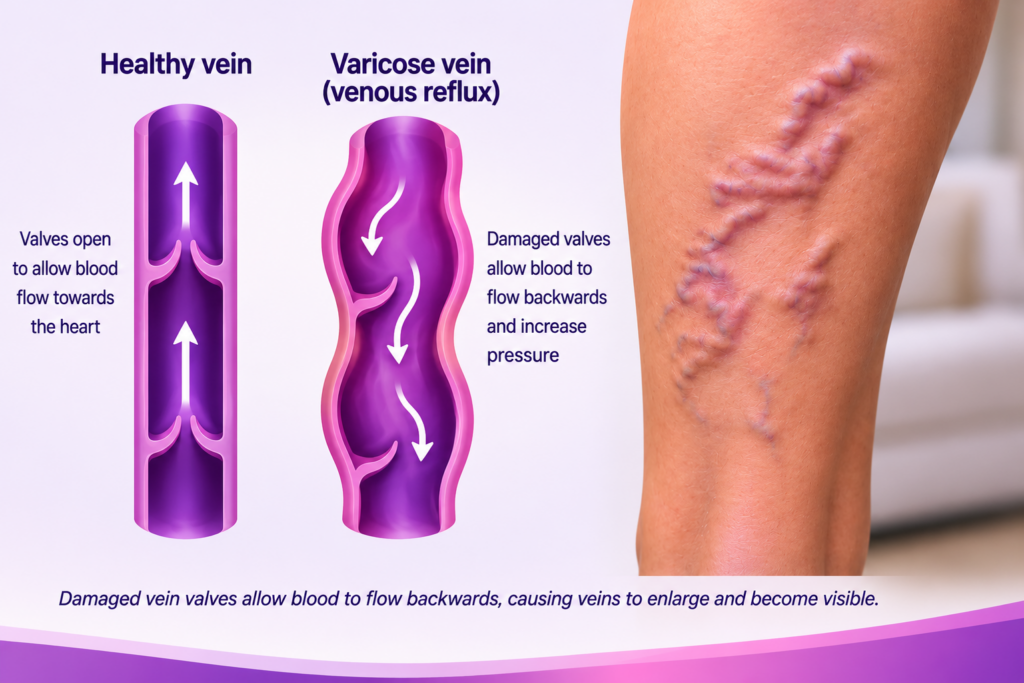
Aching, heavy legs. Swelling by the end of the day. Bulging, twisted veins you’d rather hide in shorts weather. If this sounds familiar, you’re not alone, and modern varicose vein treatment no longer means surgery, hospital stays or weeks off your feet.

Today, two of the most common minimally invasive options are radiofrequency ablation (RFA) and VenaSeal™, a medical adhesive closure system. Both are done in the office in under an hour, both use ultrasound guidance and a single small needle entry, and both have strong long-term results. But they work differently, and the differences can matter for you.

What Causes Varicose Veins?

Leg veins contain one-way valves that keep blood flowing up toward the heart. When those valves weaken, blood leaks backward and pools in the leg, a condition called venous reflux or chronic venous insufficiency. Over time, pressure builds and surface veins stretch into varicose veins.

The source is often a large vein just under the skin, most commonly the great saphenous vein. Effective varicose vein treatment closes that faulty vein so blood reroutes through healthy veins. A duplex ultrasound shows exactly which veins are leaking. Learn more in our post on the warning signs of poor circulation in your legs.

How RFA and VenaSeal Work

Radiofrequency ablation (RFA) uses heat. A thin catheter is guided into the diseased vein through a small needle entry. The physician first injects a numbing solution, called tumescent anesthesia, along the vein. The catheter then heats the vein wall in segments, causing it to collapse and seal.

Radiofrequency Ablation (Closurefast) | Swift Institute

VenaSeal uses a medical-grade adhesive. A catheter delivers small amounts of cyanoacrylate glue along the vein while gentle pressure is applied over the skin, sealing the vein closed. No heat is used, so the tumescent injections are not needed. The FDA approved the VenaSeal Closure System in February 2015 for adults with symptomatic venous reflux confirmed by duplex ultrasound.
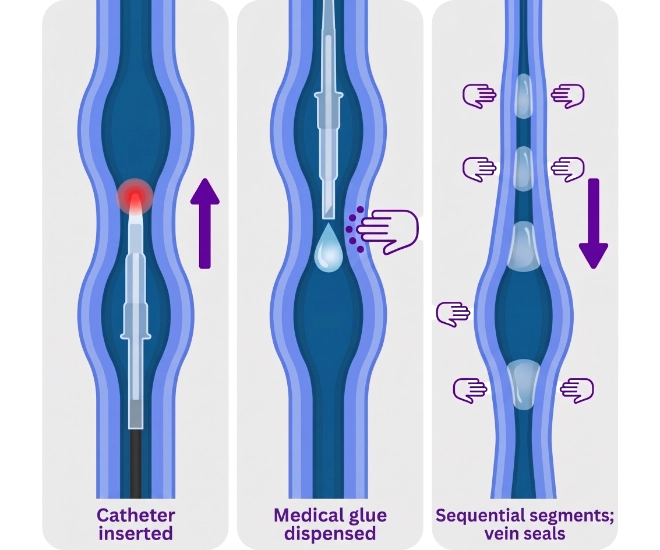
                                        VenaSeal™ Vein Treatment | VIP Medical Group

With either method, the body gradually absorbs the closed vein, and blood flows through healthier veins instead.

RFA vs. VenaSeal: 7 Things You Should Know

1. Both Are Highly Effective, Long-Term Varicose Vein Treatments

The most important point: both procedures work. In the VeClose randomized trial, which compared VenaSeal head-to-head with RFA, 5-year closure rates were 91.4% for VenaSeal and 85.2% for RFA, and VenaSeal was shown to be non-inferior. Patients in both groups had lasting improvement in symptoms and quality of life. RFA has an even longer track record, with many years of use worldwide.

2. VenaSeal Usually Means Fewer Needle Sticks

Because RFA uses heat, the vein must first be surrounded by tumescent anesthesia, delivered through a series of small injections along the leg. This protects the surrounding tissue and numbs the area. VenaSeal uses no heat, so it typically needs only one numbing injection at the catheter entry site. For patients anxious about needles, that difference can matter.

3. Heat vs. No Heat Can Matter Near Nerves

Some veins, especially below the knee and the small saphenous vein in the calf, run close to sensory nerves. Heat-based treatment in these areas carries a small risk of temporary numbness or tingling. A non-thermal option like VenaSeal avoids heat-related injury, which may make it attractive for certain veins. Your physician will consider your vein anatomy on ultrasound.

4. Recovery Is Quick With Both

With either procedure, you walk out of the office the same day. Most patients return to normal daily activities within a day or two. Walking is encouraged, while strenuous exercise and heavy lifting are usually limited for a short time. Mild tenderness, tightness or bruising along the treated vein is common with both and fades over a few weeks.

5. Compression Stockings: Often Needed After RFA, Often Not After VenaSeal

Compression stockings are typically recommended for a period after RFA. With VenaSeal, the VeClose investigators highlighted a reduced need for compression stockings, a real advantage in hot climates. In Tampa’s heat and humidity, many patients appreciate skipping tight stockings in the summer. Your physician will tell you what is right after your procedure.

6. The Side Effects Are Different

Serious complications are uncommon with both treatments, but the typical side effects differ:

  • RFA: bruising and tenderness from the tumescent injections, temporary skin tightness, and occasionally temporary nerve irritation.
  • VenaSeal: a phlebitis-like reaction, meaning redness, itching or tenderness over the treated vein, sometimes from a localized hypersensitivity to the adhesive. In a survey of more than 24,000 VenaSeal-type procedures in Japan, 6.8% of patients had localized phlebitis needing treatment, usually antihistamines. Systemic reactions needing steroids occurred in 0.27%. Because the adhesive stays in the body, patients with a known allergy to cyanoacrylate adhesives are not candidates.
  • Both: blood clots extending into the deep veins are rare. In the same Japanese survey, proximal deep vein thrombosis occurred in 0.04% of patients. A follow-up ultrasound is often done after treatment.

7. Insurance Coverage and Candidacy Can Differ

Varicose vein treatment is often covered by insurance when it is medically necessary, meaning you have symptoms such as pain, heaviness, swelling or skin changes, and an ultrasound confirms reflux. Many plans also require a trial of compression stockings first. Coverage rules for RFA and VenaSeal are not always the same, and they vary by plan. Our team verifies your benefits before treatment.

Not everyone is a candidate for either procedure. Vein size and shape, a history of blood clots, pregnancy, allergies and other medical conditions all factor into the choice. Treatment for purely cosmetic spider veins is different and usually not covered.

Choosing the Right Varicose Vein Treatment for You

There is no single “best” procedure. As the VeClose investigators noted, the choice between these two options largely comes down to practical factors. The right varicose vein treatment depends on:

  • Your ultrasound findings: which veins are leaking, their size, depth and course
  • Where the vein runs: veins close to nerves or the skin may favor one approach
  • Your preferences: comfort with needles, ability to wear compression stockings, and how soon you need to return to work or travel
  • Your medical history: allergies, prior clots, blood thinners and other conditions
  • Your insurance coverage

Some patients also need treatment of the smaller surface branches, with sclerotherapy or microphlebectomy, after the main vein is closed. A good treatment plan addresses the source of the problem first.

If you have leg swelling, it is also worth making sure the cause is your veins and not your heart. As cardiologists, we look at the whole picture. See our post on warning signs you should see a cardiologist.

Varicose Vein Treatment FAQ

Is RFA or VenaSeal painful? Most patients describe mild discomfort. With RFA, the tumescent injections are the most noticeable part. With VenaSeal, there is usually just one numbing injection. Afterward, mild tenderness along the treated vein is common with both.

Will my varicose veins come back? The treated vein stays closed in most patients, as the 5-year VeClose results show. But venous disease can progress, and new varicose veins can develop over time in other veins. Staying active, managing weight and following up with ultrasound help.

Does the VenaSeal adhesive stay in my body? Yes. A small amount of medical-grade adhesive remains in the closed vein. That is why patients with a known allergy to cyanoacrylate adhesives should not have VenaSeal.

Can I fly or drive after vein treatment? Most patients can drive within a day. Ask your physician before long flights or road trips soon after treatment, since prolonged sitting raises clot risk. See Can Flying Affect Your Heart? for blood clot prevention tips.

Is varicose vein treatment covered by insurance? Often, when it is medically necessary and documented by symptoms and ultrasound. Coverage differs by plan and by procedure, so we verify your benefits before treatment.

Varicose Vein Treatment in Tampa

At Ascent Cardiology, we evaluate leg pain, swelling and varicose veins with an in-office duplex ultrasound and explain every option clearly, including whether RFA, VenaSeal, or another approach is right for you. As an independent practice, you see the same physician from your first scan through follow-up.

Learn more about the benefits of minimally invasive heart and vascular treatment.

Request an appointment or call (813) 540-4322.

602 S Audubon Ave, Suite A, Tampa, FL 33609

Medical Disclaimer

The content provided on the Ascent Cardiology website is intended for general educational and informational purposes only. The information, articles, and media presented on this website do not constitute medical advice, diagnosis, or treatment recommendations. Content published on this website is not intended to replace consultation, evaluation, or treatment by qualified healthcare professionals, including the providers at Ascent Cardiology or other licensed medical professionals.

If you believe you may be experiencing a medical emergency, call 911 or seek immediate emergency medical care.

The medical information, opinions, and educational materials presented on this website are provided for general awareness and may not reflect the specific clinical practices or medical opinions of Ascent Cardiology or its providers. Reliance on any information provided on this website is solely at your own risk.

This website may include links to third-party medical or educational websites for informational purposes only. Ascent Cardiology does not control, endorse, or assume responsibility for the accuracy, reliability, or content of any third-party websites linked from this site.

Sources

The Truth About Heart Medications: Benefits, Risks, and Common Misconceptions

Few things in cardiology do more good, at lower cost, than the right heart medications taken the right way. They prevent heart attacks and strokes, keep stents open, strengthen weak hearts, and extend lives. Yet many patients quietly skip doses, cut pills in half, or stop altogether because of something they read online or heard from a friend.

The gap is real. In a large meta-analysis summarized by the American College of Cardiology, only about 60% of patients took their cardiovascular medications as prescribed. Good adherence to statins was associated with a 45% lower risk of death from any cause compared with poor adherence.

In this guide, we separate fact from fiction: what heart medications actually do, the real risks worth knowing, and the most common misconceptions we hear in our Tampa clinic.

The Main Types of Heart Medications and What They Do

Most patients with heart disease take medications from several of these groups. Each works differently, so one rarely replaces another.

Your own list depends on your diagnosis. A patient after a stent, a patient with atrial fibrillation, and a patient with heart failure may each take very different combinations. Learn more in the truth about coronary stents and the serious risks of atrial fibrillation.

Medication classCommon examplesWhat it doesSide effects to know
Statins and other cholesterol drugsAtorvastatin, rosuvastatin, ezetimibe, PCSK9 inhibitorsLower LDL cholesterol and stabilize artery plaqueMuscle aches (uncommon), small rise in blood sugar
AntiplateletsAspirin, clopidogrel, ticagrelor, prasugrelKeep platelets from clumping; prevent clots in arteries and stentsBruising, bleeding
Anticoagulants (blood thinners)Apixaban, rivaroxaban, dabigatran, warfarinPrevent clots that cause stroke in AFib; treat DVT and PEBleeding
Beta blockersMetoprolol, carvedilol, bisoprololSlow heart rate, lower blood pressure, protect a weak heartFatigue, slow pulse, dizziness
ACE inhibitors, ARBs and ARNIsLisinopril, losartan, sacubitril/valsartanLower blood pressure; protect the heart and kidneysCough (ACE inhibitors), high potassium, dizziness
SGLT2 inhibitorsEmpagliflozin, dapagliflozinReduce heart failure hospitalization; protect the kidneysGenital yeast infections, dehydration
Diuretics (water pills)Furosemide, torsemide, spironolactoneRemove excess fluid; lower blood pressureFrequent urination, low or high potassium, cramps
NitratesNitroglycerin, isosorbide mononitrateRelieve or prevent anginaHeadache, lightheadedness
Calcium channel blockersAmlodipine, diltiazemLower blood pressure, relieve angina, control heart rateAnkle swelling, constipation

This table is for general education. Your medications depend on your diagnosis. Do not start, stop or change any medication without talking to your doctor.

8 Common Misconceptions About Heart Medications

Myth 1: “I feel fine, so I can stop my heart medications.”

Fact: Most heart medications work silently. High cholesterol and high blood pressure rarely cause symptoms, and a stent can clot without warning if antiplatelet medicine is stopped too early. Feeling well is often a sign the medicine is working, not a sign you no longer need it.

Myth 2: “Generic heart medications are weaker than brand names.”

Fact: The FDA requires generics to have the same active ingredient, strength and dosage form as the brand-name drug, to be bioequivalent, and to be made to the same quality standards. Generics can save you money without sacrificing results.

Myth 3: “Statins cause muscle pain in most people.”

Fact: True statin muscle side effects are uncommon. In the SAMSON trial, patients who had stopped statins because of side effects took statin, placebo or no pill in random months. About 90% of the symptoms they felt on statins also appeared on placebo. For more, read statin therapy: separating myth from fact.

Myth 4: “Everyone should take a daily aspirin for their heart.”

Fact: It depends on whether you already have heart disease. For people who have had a heart attack, stent or stroke, aspirin is often essential. But for prevention in people without heart disease, the U.S. Preventive Services Task Force recommends against starting low-dose aspirin at age 60 or older, and calls it an individual decision for higher-risk adults aged 40 to 59, because bleeding risk can cancel out the benefit. Don’t start or stop aspirin without asking your doctor.

Myth 5: “Blood thinners dissolve clots and make my blood ‘thin.'”

Fact: Anticoagulants don’t actually thin the blood or dissolve existing clots. They slow the clotting process so new clots are less likely to form and existing ones don’t grow, while your body breaks the clot down. For patients with atrial fibrillation, that protection against stroke is the main goal.

Myth 6: “Natural supplements can replace my prescriptions.”

Fact: No supplement has been shown to match the proven benefits of statins, blood pressure medicines or blood thinners. Some supplements, such as fish oil, ginkgo, turmeric and St. John’s wort, can interact with heart medications or raise bleeding risk. Always bring your supplement list to your appointment.

Myth 7: “Heart medications will damage my kidneys or liver.”

Fact: Several heart medications, including ACE inhibitors, ARBs and SGLT2 inhibitors, are used in part because they help protect the kidneys. Your cardiologist monitors blood work to catch rare problems early. Uncontrolled blood pressure and diabetes are far greater threats to your kidneys.

Myth 8: “Once I start a heart medication, I’ll be on it forever, exactly as prescribed.”

Fact: Treatment evolves with evidence and with you. For example, the REDUCE-AMI trial of 5,020 heart attack patients with normal heart function found long-term beta blockers did not significantly reduce death or repeat heart attack (7.9% vs 8.3%). Some medicines can be adjusted or stopped over time, but that decision belongs with your cardiologist, never a guess at home. Stopping a beta blocker suddenly can cause a rebound rise in heart rate and blood pressure.

The Real Risks of Heart Medications Worth Knowing

Heart medications are not risk-free, and an honest conversation about side effects is part of good care. The risks that matter most are usually manageable when you know what to watch for:

  • Bleeding with antiplatelets and blood thinners. Expect easier bruising. Call promptly for black or bloody stools, blood in the urine, vomiting blood, or a severe headache, and call 911 after a significant fall or head injury.
  • Dizziness or fainting. Blood pressure medicines, beta blockers, and diuretics can cause low blood pressure, especially when standing quickly, in hot Florida weather, or when you are dehydrated.
  • Potassium and kidney changes. ACE inhibitors, ARBs, spironolactone, and diuretics can shift potassium and kidney function, which is why periodic blood tests matter.
  • Slow heart rate. Beta blockers and some calcium channel blockers can slow the pulse too much in some patients.

Drug Interactions: What Not to Mix With Heart Medications

  • Erectile dysfunction drugs and nitrates. Sildenafil, tadalafil and similar drugs combined with nitroglycerin can cause a dangerous drop in blood pressure.
  • NSAIDs. Ibuprofen and naproxen can raise blood pressure, worsen heart failure, strain the kidneys, and increase bleeding with blood thinners. Ask before using them.
  • Supplements and certain foods. Fish oil, ginkgo, and other supplements may add to bleeding risk. Large changes in leafy green vegetables affect warfarin, and grapefruit can interact with some statins and other heart drugs.
  • Other prescriptions. Some antibiotics, antifungals and antidepressants interact with heart medications. Make sure every doctor and pharmacist has your full list.
Women and elderly at higher risk of dangerous drug interactions |  EurekAlert!

Why Taking Heart Medications Consistently Matters

In the ACC-summarized meta-analysis, the authors estimated that about 9% of cardiovascular events in Europe were attributable to poor adherence to vascular medications alone. Simple habits help:

  • Use a weekly pill organizer or a phone reminder.
  • Tie doses to a daily routine, such as brushing your teeth.
  • Refill early and ask about 90-day supplies.
  • Bring every bottle, including supplements, to each appointment.
  • Tell us if cost is a problem. Generics or alternatives are often available.

Never stop a heart medication on your own because of a side effect. Call us first. There is usually another option.

Questions to Ask Your Cardiologist About Your Heart Medications

In the ACC-summarized meta-analysis, the authors estimated that about 9% of cardiovascular events in Europe were attributable to poor adherence to vascular medications alone. Simple habits help:

  • What is each medication for, and how will I know it’s working?
  • Which side effects are common, and which mean I should call right away?
  • Is there anything I should avoid while taking it, including over-the-counter drugs, supplements or foods?
  • What should I do if I miss a dose?
  • Do I still need every medication on my list?
  • Is there a lower-cost option?

Newer treatments are expanding the toolkit too, including GLP-1 medications with proven heart benefits. Learn more in Ozempic, Wegovy and Zepbound: can weight loss drugs protect your heart?

Heart Medications FAQ

Can I stop my heart medication if my numbers are normal? Usually not. Normal cholesterol or blood pressure while on medication typically means the medication is working. Stopping often lets the numbers rise again. Talk with your cardiologist before making any change.

What should I do if I miss a dose? It depends on the medication. For many once-daily drugs, take it when you remember unless it’s almost time for the next dose, and never double up. Blood thinners and antiplatelet drugs have specific instructions, so check your medication guide or call your pharmacist or our office.

Are generic heart medications safe? Yes. The FDA requires generics to have the same active ingredient and strength as the brand-name drug and to meet the same quality standards.

Why do I need so many heart medications? Each class works in a different way. In conditions such as heart failure or after a heart attack, several medications together reduce risk more than any one alone.

Can I take ibuprofen with heart medication? Ask first. NSAIDs such as ibuprofen and naproxen can raise blood pressure, worsen heart failure and increase bleeding risk with blood thinners. Acetaminophen is often a safer choice for occasional pain, but check with your doctor.

Personalized Heart Medication Care in Tampa

The right heart medication plan is personal. At Ascent Cardiology, an independent practice, you see the same cardiologist at every visit, who takes time to review each medication, explain why it matters, and adjust your plan as the evidence and your health change. We welcome patients who want a medication review, a second opinion, or help managing side effects.

Not sure whether it’s time for a visit? See our warning signs you should see a cardiologist.

Request an appointment or call (813) 540-4322.

602 S Audubon Ave, Suite A, Tampa, FL 33609

Medical Disclaimer

The content provided on the Ascent Cardiology website is intended for general educational and informational purposes only. The information, articles, and media presented on this website do not constitute medical advice, diagnosis, or treatment recommendations. Content published on this website is not intended to replace consultation, evaluation, or treatment by qualified healthcare professionals, including the providers at Ascent Cardiology or other licensed medical professionals.

If you believe you may be experiencing a medical emergency, call 911 or seek immediate emergency medical care.

The medical information, opinions, and educational materials presented on this website are provided for general awareness and may not reflect the specific clinical practices or medical opinions of Ascent Cardiology or its providers. Reliance on any information provided on this website is solely at your own risk.

This website may include links to third-party medical or educational websites for informational purposes only. Ascent Cardiology does not control, endorse, or assume responsibility for the accuracy, reliability, or content of any third-party websites linked from this site.

Sources

The Truth About Coronary Stents: What You Should Know

Coronary stents are one of the most important advances in modern medicine. Every day, they save lives during heart attacks and help people with chest pain return to the activities they love. But stents are also widely misunderstood. Many patients believe a stent “fixes” heart disease or prevents future heart attacks in every situation. The truth is more nuanced.

As an interventional cardiologist who implants stents, patients deserve to understand exactly what a stent can and can’t do. Here’s what the research shows.

What Is a Coronary Stent?

A coronary stent is a tiny, expandable mesh tube placed inside a narrowed or blocked heart artery. It’s delivered through a thin catheter, usually from the wrist or groin, in a procedure called percutaneous coronary intervention (PCI) or angioplasty. A balloon opens the artery, and the stent holds it open.

Today’s drug-eluting stents release medication that keeps scar tissue from re-narrowing the artery. Most patients go home the same day or the next morning. Learn more about the benefits of minimally invasive heart treatment.

Drug-eluting coronary stents: insights from preclinical and pathology studies | Nature Reviews Cardiology

What Coronary Stents Fix

1. They Save Lives During a Heart Attack

This is where stents make the biggest difference. During a major heart attack, a blood clot suddenly blocks a coronary artery and heart muscle starts to die within minutes. Opening that artery with a stent as quickly as possible, known as primary PCI, limits damage to the heart and saves lives.

Stents also benefit many patients with unstable angina and other types of heart attacks, especially those at higher risk. If you’re having heart attack symptoms, call 911. Every minute counts. Review the warning signs in 7 life-threatening cardiac emergencies.

2. They Relieve Chest Pain (Angina)

For people with stable coronary artery disease whose chest pain limits their daily life, stents can provide real, meaningful relief.

The strongest evidence comes from ORBITA-2, published in the New England Journal of Medicine in 2023. In this trial, 301 patients with stable angina stopped their anti-anginal medications and were randomly assigned to receive a stent or a placebo procedure, without knowing which they got. Patients who received a stent had significantly less angina than those who had the placebo procedure. Because the trial was blinded, the improvement can’t be explained by expectation alone.

The large ISCHEMIA trial also found that among patients with frequent angina, about half of those who had a procedure were angina-free at one year, compared with about 20% of those treated with medication alone.

3. They Restore Blood Flow Through a Specific Blockage

A stent is very effective at what it’s designed to do: opening a specific narrowed segment of artery and restoring blood flow through it. With modern drug-eluting stents and imaging guidance, the chance of that segment re-narrowing is low.

Stents - Getting a Stent | NHLBI, NIH

What Coronary Stents Don't Fix

1. They Don’t Cure Coronary Artery Disease

Coronary artery disease affects the entire network of heart arteries, not just the spot that’s blocked. A stent treats one narrowing, but plaque is usually present elsewhere, including in areas that look normal on an angiogram. Many future heart attacks start in these less severe areas, when soft plaque ruptures suddenly.

That’s why a stent is the beginning of treatment, not the end of it.

2. In Stable Heart Disease, They Don’t Prevent Heart Attacks or Extend Life

This surprises many patients. The landmark ISCHEMIA trial studied 5,179 people with stable coronary artery disease and moderate to severe ischemia on stress testing. Patients who received stents or bypass surgery plus medication had similar rates of heart attack and cardiovascular death as those treated with medication alone. Death rates were nearly identical: 6.5% versus 6.4% at four years.

This doesn’t mean stents are unhelpful in stable disease. As described above, they relieve angina and improve quality of life. But for most people with stable symptoms, medications and lifestyle changes are what protect against future heart attacks, with or without a stent.

Important exceptions exist. ISCHEMIA didn’t include people with significant left main disease, recent heart attacks, severe or unacceptable angina, or reduced heart function, and some of these patients may benefit more from revascularization.

3. They Don’t Strengthen a Weakened Heart Muscle

Many people assume opening blocked arteries will help a weakened heart pump better. The REVIVED-BCIS2 trial tested this in 700 patients with severely reduced heart function (ejection fraction of 35% or less) and extensive coronary disease. Adding stents to medical therapy didn’t reduce death or heart failure hospitalization and didn’t improve heart function. For these patients, guideline-directed heart failure medications are the foundation of treatment, and some may benefit from bypass surgery instead.

4. They Don’t Treat Small-Vessel Disease

Some people, especially women, have chest pain caused by problems in the heart’s tiny blood vessels, called coronary microvascular dysfunction (CMD). These vessels are far too small for a stent. Learn more in 5 lesser-known heart conditions.

5. They Don’t Replace Healthy Habits or Medication

A stent doesn’t lower cholesterol, blood pressure, or blood sugar, and it doesn’t undo the effects of smoking. Without those, plaque keeps building.

Stents at a Glance: Emergency vs. Stable Heart Disease

QuestionHeart attack or unstable anginaStable coronary artery disease
Saves lives?Yes, especially with fast treatmentGenerally no, compared with good medical therapy
Prevents future heart attacks?Yes, in many patientsGenerally no, compared with good medical therapy
Relieves chest pain?YesYes, often significantly
Role of medicationsEssential after the stentThe foundation of treatment, with or without a stent

Life After a Coronary Stent

If you have a stent, these steps protect both the stent and the rest of your arteries:

  • Take your antiplatelet medications exactly as prescribed. Usually aspirin plus a second medication such as clopidogrel (Plavix), prasugrel (Effient), or ticagrelor (Brilinta) for a period of time. Stopping too early can cause a dangerous clot inside the stent precipitation a major heart attack. Never stop without talking to your cardiologist, even before surgery or dental work. See cardiac clearance before surgery.
  • Take a high-intensity statin to lower LDL cholesterol and stabilize plaque throughout your arteries. Read statin myths vs. facts.
  • Control blood pressure and diabetes.
  • Don’t smoke or vape.
  • Join cardiac rehabilitation. These supervised programs improve fitness, reduce future heart events, and help you return to normal life with confidence.
  • Stay active. See heart-healthy exercises.
  • Report new or returning chest pain promptly.

Questions to Ask Before Getting a Stent

If a stent is recommended for stable heart disease, it’s reasonable to ask:

  1. What is the main goal: relieving my symptoms, or lowering my risk of a heart attack or death?
  2. Have I tried optimal medications for my angina.
  3. How severe is the blockage, and has its effect on blood flow been measured (for example, with FFR or iFR)
  4. Would bypass surgery be a better option for my anatomy, such as left main or multi-vessel disease, especially with diabetes?
  5. How long will I need to take blood thinners, and do I have upcoming surgeries?

A good cardiologist will welcome these questions.

Frequently Asked Questions

Does a stent cure heart disease? No. A stent treats one specific blockage, but coronary artery disease affects the whole network of heart arteries. Medications, especially statins and antiplatelet drugs, and healthy habits are what slow the disease and protect against future heart attacks.

If I have a blockage, do I need a stent? Not always. In a heart attack, a stent is often life-saving. For stable coronary artery disease, many people do well with medication alone, and stents are mainly used to relieve chest pain that isn’t controlled with medication. Your cardiologist will consider your symptoms, test results and anatomy.

How long does a stent last? Stents are permanent. Modern drug-eluting stents have low rates of re-narrowing. Taking your medications and controlling risk factors protects both the stent and your other arteries.

Can a stent get blocked again? It’s uncommon with modern stents but possible, either through gradual re-narrowing or, rarely, a sudden clot inside the stent. Taking your antiplatelet medication exactly as prescribed is the most important way to prevent a stent clot.

Is bypass surgery better than a stent? It depends. For some people, including those with left main disease or blockages in several arteries, especially with diabetes or a weakened heart, bypass surgery may offer better long-term results. A heart team can help you weigh the options.

A Thoughtful Approach to Stents in Tampa

As an independent interventional cardiologist with privileges at Tampa General Hospital and St. Joseph’s Hospital, our physician performs coronary stenting when it’s the right choice, and is equally committed to medical therapy when it is. Every recommendation starts with a careful evaluation, a clear explanation of the evidence, and a plan built around your goals.

If you’ve been told you need a stent, want a second opinion, or are living with a stent and want to protect your heart, we can help. Learn about the advances in heart disease treatment, including imaging-guided stenting.

Request an appointment or call (813) 540-4322.

602 S Audubon Ave, Suite A, Tampa, FL 33609

Medical Disclaimer

The content provided on the Ascent Cardiology website is intended for general educational and informational purposes only. The information, articles, and media presented on this website do not constitute medical advice, diagnosis, or treatment recommendations. Content published on this website is not intended to replace consultation, evaluation, or treatment by qualified healthcare professionals, including the providers at Ascent Cardiology or other licensed medical professionals.

If you believe you may be experiencing a medical emergency, call 911 or seek immediate emergency medical care.

The medical information, opinions, and educational materials presented on this website are provided for general awareness and may not reflect the specific clinical practices or medical opinions of Ascent Cardiology or its providers. Reliance on any information provided on this website is solely at your own risk.

This website may include links to third-party medical or educational websites for informational purposes only. Ascent Cardiology does not control, endorse, or assume responsibility for the accuracy, reliability, or content of any third-party websites linked from this site.

Sources

Heart Attack at 35,000 Feet? What Happens During an In-Flight Cardiac Emergency

A passenger slumps in a seat. A call bell chimes, and a flight attendant asks over the intercom, “Is there a doctor on board?” An in-flight cardiac emergency is one of the most stressful events that can happen at 35,000 feet, for the patient, the crew, and anyone who volunteers to help.

Fortunately, these events are uncommon. A large study in the New England Journal of Medicine reviewed nearly 12,000 in-flight medical emergencies and estimated about 44,000 such emergencies worldwide each year, out of hundreds of millions of passengers. As an interventional cardiologist, let’s walk you through what actually happens, step by step, when a heart emergency strikes in the air.

Here's what happens when airline passengers have a medical emergency mid- flight | CBC Radio

1. What Happens When Someone Has a Heart Attack at 35,000 Feet?

On the ground, a suspected heart attack sets off a well-rehearsed sequence: a 12-lead ECG within minutes, blood tests, and for many patients a trip to the cardiac catheterization lab to open the blocked artery. In an aircraft cabin, almost none of that is available.

The main challenges are:

  • Limited diagnostic tools. There is usually no 12-lead ECG and no lab testing. Diagnosis depends on symptoms, a quick exam, pulse, and blood pressure.
  • Restricted medical supplies. Airline medical kits carry basic medications, oxygen, and an AED, but not the full tools of an emergency department.
  • A cramped, noisy setting. Narrow aisles, engine noise, and turbulence make examining and treating a patient difficult.
  • Distance from definitive care. The treatment that matters most for a major heart attack, restoring blood flow through the blocked artery, is only possible in a hospital. Over the ocean or remote terrain, that can be hours away.

That is why the goal on board is to stabilize the patient, recognize who needs urgent care, and get them to a hospital as quickly and safely as possible.

2. The Most Serious Cardiac Emergencies That Can Occur During a Flight

EmergencyWhat it isWhat it can look like on board
Acute myocardial infarction (heart attack)A blocked coronary artery starves part of the heart muscle of bloodChest pressure or pain, pain spreading to the arm, jaw or back, sweating, nausea, shortness of breath
Sudden cardiac arrestThe heart's electrical system fails and it stops pumping effectivelySudden collapse, no response, no normal breathing, no pulse
Serious arrhythmiasA very fast, very slow or chaotic heart rhythmPounding or racing heartbeat, dizziness, fainting, chest discomfort
Acute heart failureThe heart cannot keep up, and fluid backs up into the lungsSevere breathlessness, inability to lie back, cough, frothy sputum
Cardiac syncopeFainting caused by a rhythm problem or blocked blood flowCollapse without warning, often with exertion or palpitations beforehand

Not every collapse is a heart emergency. Fainting is the single most common in-flight medical problem. In the NEJM study, syncope accounted for 37% of emergencies. Most of these episodes are vasovagal syncope: a temporary drop in heart rate and blood pressure, often triggered by dehydration, standing up quickly, alcohol, a long time sitting upright, or the lower cabin oxygen.

Vasovagal fainting can look frightening, but it usually has warning signs (feeling flushed, nauseated, pale, or lightheaded) and the person typically wakes quickly once lying flat. A collapse with no warning, during exertion, with chest pain or palpitations, or with no quick recovery is more worrisome for a cardiac cause. Learn more about life-threatening cardiac emergencies you should never ignore.

3. How Flight Attendants Respond to a Cardiac Emergency

Flight attendants are the first responders in the sky. Under FAA rules for U.S. airlines, they receive hands-on training in CPR and AED use, with recurrent training at least every 24 months, along with training on the onboard medical equipment and how the crew coordinates during a medical event.

When a passenger becomes ill, the response typically unfolds in this order:

  1. Assess the situation. A flight attendant checks whether the passenger is awake, breathing, and able to describe symptoms. 
  2. Alert the team. Other crew members are notified, and the flight deck is informed of the emergency.
  3. Request medical help. The crew asks over the public address system whether a doctor, nurse or other medical professional is on board.
  4. Bring the equipment. The crew retrieves the first-aid kit, emergency medical kit, oxygen and the AED.
  5. Start CPR if needed. If the passenger is unresponsive and not breathing normally, crew begin CPR and apply the AED without waiting for a medical volunteer.
  6. Connect to the ground. Many airlines have the crew
    contact a ground-based medical consultation service staffed by physicians, who can advise on treatment and whether the flight should divert.
  7. Keep the captain informed. The flight deck receives regular updates, since the captain has final authority over the aircraft and any change in route.

The crew also manages the space: moving nearby passengers, clearing the aisle or galley so the patient can lie flat, and documenting what happened.

4. Is There a Defibrillator on the Airplane?

On most large commercial flights, yes. In the United States, FAA regulations have required airline passenger aircraft that need a flight attendant and have a payload capacity above 7,500 pounds to carry an automated external defibrillator (AED) since 2004, along with an emergency medical kit. Equipment requirements vary by country, airline, and type of aircraft, so smaller regional or international flights may differ.

What an AED does

In the most common form of sudden cardiac arrest, the heart’s lower chambers quiver chaotically instead of pumping. This is called ventricular fibrillation (VF). A related rhythm, pulseless ventricular tachycardia (VT), is so fast that the heart pumps no blood. An AED analyzes the rhythm through adhesive chest pads and, as Penn Medicine explains, advises a shock only for VF and fast VT. Spoken prompts guide the rescuer through each step, so anyone can use one.

Why minutes matter

CPR keeps oxygen-rich blood flowing to the brain and heart until a shock can restore a normal rhythm. According to Penn Medicine, every minute without defibrillation lowers the chance of survival by 7% to 10%. The American Heart Association notes that CPR can double or even triple a person’s chance of survival.

An AED will not help a heart attack in which the heart is still beating. It is a tool for certain forms of cardiac arrest only. Read more about sudden cardiac arrest and other cardiac emergencies.
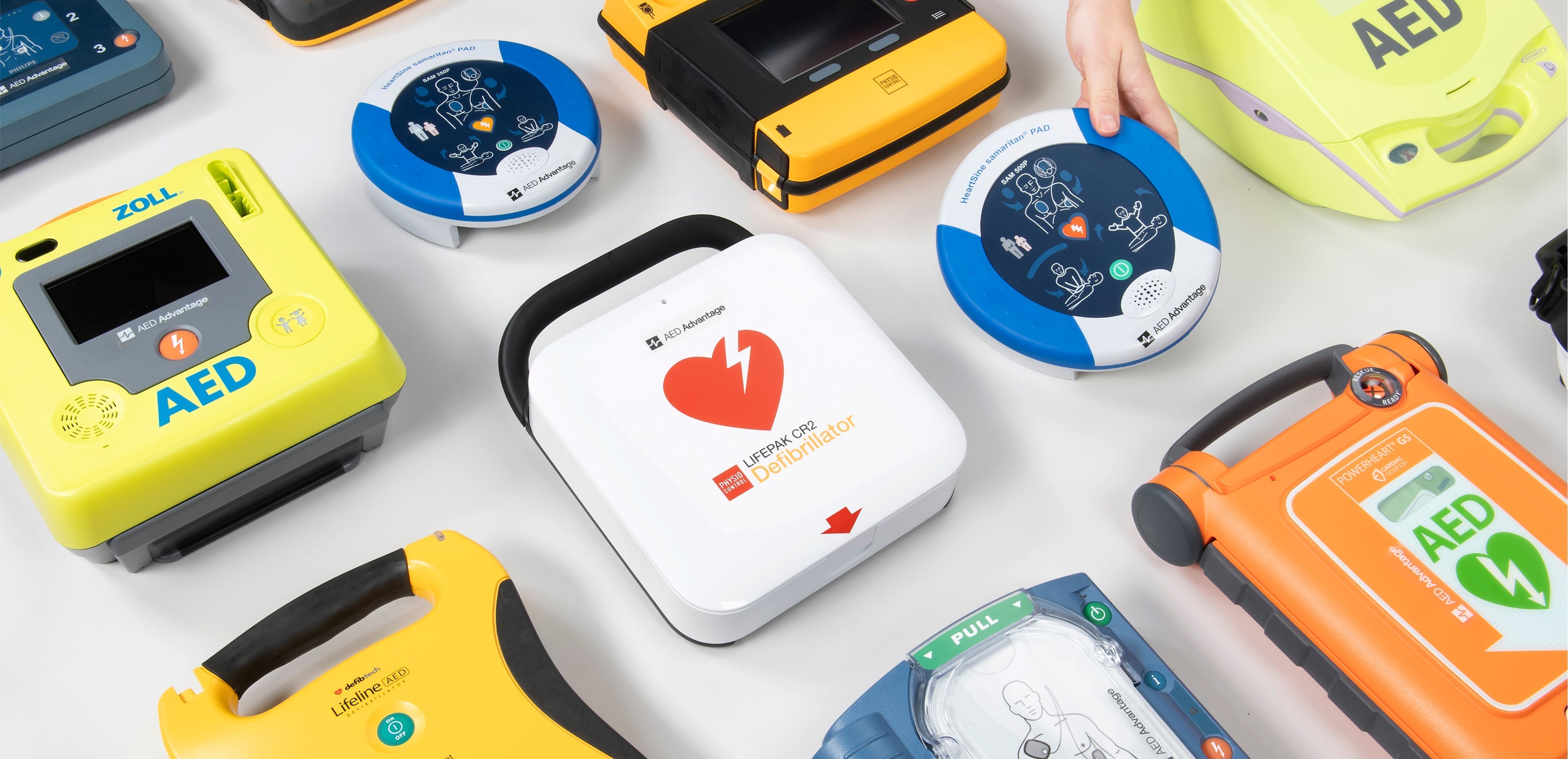
AED Machines: What Are They and Why Do I Need One? · AED Advantage Sales  Ltd.

5. What Happens When a Doctor Volunteers to Help?

When the call goes out, there is a good chance a physician answers. In the NEJM study, physician passengers provided help in 48% of in-flight emergencies, more than any other group. Nurses helped in 20% of cases.

From a physician’s perspective, responding at 35,000 feet is very different from working in a hospital or clinic.

Identifying yourself and taking a history. The volunteer identifies themselves to the crew and, when possible, asks the passenger or companions about symptoms, medical history, medications, and allergies. A passenger’s own medication list or medical summary is extremely helpful here.

Examining with limited tools. The emergency medical kit typically includes a stethoscope, blood pressure cuff, and basic medications. Some aircraft carry a pulse oximeter. There is usually no 12-lead ECG, no blood tests, and no imaging. A cardiologist has to rely on the history, vital signs and physical exam, the fundamentals of bedside medicine.

Treating what can be treated. Depending on the situation, that may include oxygen, laying the patient flat, giving aspirin for a suspected heart attack when appropriate, or helping with the patient’s own nitroglycerin. If the patient becomes unresponsive, CPR and the AED take priority.

Coordinating with the crew and the ground. The volunteer works alongside the flight attendants and, through the crew, with ground-based medical consultants. The NEJM authors recommended that responders request a ground-based consultation if the crew has not already arranged one.

Recommending urgent evaluation. One of the most important things a physician can do is judge how sick the passenger is. That judgment, shared with the crew and ground physicians, informs whether the flight needs to land sooner. The physician advises; the captain decides.

In the United States, the Aviation Medical Assistance Act of 1998 provides liability protection for medical volunteers who help in good faith, though physicians should understand its limits. Most physicians see helping as a professional and moral obligation.

6. Will the Pilot Divert the Plane for a Heart Attack?

Sometimes. Diversion is a significant decision, and it is less common than many people expect. In the NEJM study, only 7.3% of in-flight medical emergencies led to a diversion. Cases where an AED was used were among those most strongly linked to diverting.

The captain has final authority over the aircraft. The decision is made together with the crew, any medical volunteer, and ground-based physicians. Services such as MedAire’s MedLink give crews 24/7 access to physicians who help evaluate the passenger in real time. The factors weighed include:

  • How serious the emergency appears: the passenger’s symptoms, vital signs, and response to treatment on board
  • Time to definitive care: how long until landing at the destination versus the nearest suitable airport
  • Available airports and hospitals: whether a nearby airport can handle the aircraft and has emergency medical services and hospital care, ideally with cardiac capability
  • Operational factors: route, terrain, weather, fuel, and aircraft weight

If the flight continues, the crew arranges for paramedics to meet the plane at the gate. For a suspected heart attack, a diversion or a priority landing can cut the time to a catheterization lab, where blocked arteries are opened. For many large heart attacks, time to treatment is closely tied to how much heart muscle is saved.

7. Can You Survive a Heart Attack or Cardiac Arrest on an Airplane?

Yes, and survival depends largely on quick recognition and the right first response. Heart attack and cardiac arrest are often confused, but they are different conditions with different immediate priorities. The American Heart Association describes a heart attack as a circulation problem and cardiac arrest as an electrical problem.

FeatureHeart attackCardiac arrest
What goes wrongA blocked artery cuts off blood flow to part of the heartAn abnormal rhythm stops the heart from pumping
Is the person awake?Usually yes, and the heart keeps beatingNo: sudden collapse, no pulse, no normal breathing
Immediate priority on boardAlert the crew, keep the person still and seated or lying down, oxygen and aspirin if advised, prepare for rapid hospital careStart CPR immediately and use the AED as soon as it arrives
What saves the most heart muscle or lifeFast access to a hospital that can open the arteryEarly CPR and early defibrillation

The two are connected. A heart attack can trigger cardiac arrest, which is one reason a passenger with heart attack symptoms should be watched closely and the AED kept close by.

What improves the odds

  • Speak up early. Tell a flight attendant right away about chest pain, pressure, shortness of breath, or sweating. Don’t wait until landing.
  • Act fast in cardiac arrest. CPR and an AED shock within minutes give the best chance of survival.
  • Get to a hospital quickly. For a heart attack, the definitive treatment is restoring blood flow, most often with a coronary stent. Learn what stents can and can’t do in the truth about coronary stents.

The outcome of a heart attack in the air often depends less on the flight and more on what happens in the hours after landing. Prompt evaluation in an emergency department is essential, even if symptoms improve during the flight.

8. How Can Heart Patients Prepare for Air Travel?

The best way to handle an in-flight cardiac emergency is to lower the chance of having one, and to be ready if you do. If you have established heart disease:

  • Talk with your cardiologist before you book if you have had a recent heart attack, stent, bypass surgery, device implant, or hospitalization, or if your symptoms have changed.
  • Don’t fly during unstable cardiac illness. New or worsening chest pain, decompensated heart failure, or an uncontrolled heart rhythm are reasons to postpone nonessential travel until you are stable.
  • Keep medications in your carry-on, with a few extra days’ supply in case of delays. Never pack nitroglycerin, blood thinners or heart medicines in checked luggage.
  • Carry a medical summary: your diagnoses, medication list, allergies, a recent ECG, any device card, and your cardiologist’s phone number. If you become ill, this information helps a volunteer physician or ground consultant help you.
  • Stay on schedule with your medicines across time zones, especially antiplatelet drugs after a stent.
  • Move, hydrate, and limit alcohol on longer flights to reduce blood-clot risk and dehydration.
  • Tell your travel companion what your symptoms might look like and where your medications are.
  • Report symptoms early. If something feels wrong, alert the crew immediately.

For a full guide to cabin pressure, blood clots, AFib and flying after a heart event, read our companion article, Can Flying Affect Your Heart? What Every Air Traveler Should Know.

In-Flight Cardiac Emergency FAQs

How common are medical emergencies on planes? They are uncommon. A large NEJM study estimated about 44,000 in-flight medical emergencies worldwide each year. The most common problem is fainting, not a heart attack.

Do all airplanes have a defibrillator? In the U.S., FAA rules require AEDs on airline passenger aircraft that need a flight attendant and have a payload capacity above 7,500 pounds, which covers most large commercial jets. Requirements vary in other countries and on smaller aircraft.

What should I do if the person next to me collapses? Alert a flight attendant immediately. If the person is unresponsive and not breathing normally, CPR should start right away and the AED should be brought. Flight attendants are trained in both.

Is it a heart attack or just fainting? It can be hard to tell. Fainting with warning signs and a quick recovery when lying flat is usually vasovagal. Collapse without warning, with chest pain, palpitations or exertion, or without quick recovery needs urgent evaluation.

Should I see a doctor after a cardiac scare on a flight? Yes. Even if symptoms go away, chest pain, fainting, or a racing heartbeat during a flight should be evaluated promptly, ideally in an emergency department on landing, then with a cardiologist.

Heart Care in Tampa Before and After You Travel

At Ascent Cardiology, we help patients travel with confidence. As an independent, physician-led practice, you see the same interventional cardiologist at every visit, a physician with privileges at Tampa General Hospital and St. Joseph’s Hospital who knows your history.

We offer pre-travel cardiac evaluations and medication reviews, and prompt follow-up after a cardiac scare in the air or on vacation. If you are unsure whether your symptoms need attention, see our list of warning signs you should see a cardiologist.

Request an appointment or call (813) 540-4322.

602 S Audubon Ave, Suite A, Tampa, FL 33609

Sources

Can Flying Affect Your Heart? What Every Air Traveler Should Know

From Tampa International to a cross-country business trip or a family vacation overseas, air travel is part of life for many of our patients. One of the most common questions we hear in clinic is simple: is flying with a heart condition safe?

For most people with stable heart disease, the answer is yes. Commercial flights are safe for the large majority of heart patients. What matters most is not the airplane itself, but how stable your heart condition is when you board. Below, we answer the seven questions our patients ask most often about flying with a heart condition.

1. What Happens to Your Heart at 35,000 Feet?

Airline cabins are pressurized, but not to sea level. Cabin pressure on a commercial flight is generally equivalent to an altitude of about 6,000 to 8,000 feet, and the FAA sets 8,000 feet as the maximum. At that pressure, each breath delivers less oxygen to your lungs and bloodstream.

The result is a modest drop in blood oxygen saturation. In an FAA-sponsored altitude chamber study, average saturation fell from about 95% to about 90.6% at a simulated 7,000 feet. Healthy travelers usually tolerate this well and never notice it.

It may matter more if you have certain heart or lung conditions, such as severe coronary artery disease, heart failure, pulmonary hypertension, cyanotic congenital heart disease, or chronic lung disease. Lower oxygen makes the heart work harder and can precipitate chest pain, breathlessness, or rhythm changes. In the FAA study, extra heartbeats and short runs of irregular rhythms became more frequent in participants with heart failure.

Cabin air is also very dry, and travel days often mean less water and more coffee or alcohol. That combination contributes to dehydration, which can lower blood pressure particularly in patients on diuretics.

2. Can Flying Increase Your Risk of Blood Clots?

Yes, modestly, especially on long-haul flights. Sitting still for hours slows blood flow in the leg veins (venous stasis). Sluggish flow can allow a clot to form in a deep leg vein, called deep vein thrombosis (DVT). If part of that clot breaks off and travels to the lungs, it becomes a pulmonary embolism (PE), which can be life-threatening.

According to the CDC Yellow Book:

  • Long-distance travel, usually defined as more than 4 hours, may raise clot risk two- to four-fold. Flights under 4 hours carry negligible risk of symptomatic clots.
  • The absolute risk is low: about 1 in 4,656 to 1 in 6,000 flights longer than 4 hours.
  • Most travel-related clots occur within one to two weeks after the trip, and nearly all in people with at least one risk factor.
  • Higher-risk travelers include those with a prior clot, recent surgery or hospitalization, active cancer, estrogen therapy, pregnancy, obesity, or limited mobility.

How to lower your risk on a long flight

  • Get up and walk the aisle periodically when it is safe to do so.
  • Do calf exercises while seated: ankle pumps, heel raises and toe raises every 30 minutes or so.
  • Choose an aisle seat when you can. The CDC notes window seats were linked to about twice the clot risk.
  • If you are at higher risk, ask your doctor about properly fitted below-the-knee graduated compression stockings (15–30 mmHg at the ankle).
  • Medication to prevent travel clots is decided case by case. Do not start aspirin or a blood thinner on your own.
  • Stay hydrated and limit alcohol.

Learn more about the warning signs of poor circulation in your legs.

3. Can Air Travel Trigger Atrial Fibrillation or Palpitations?

Many travelers notice a racing or fluttering heartbeat on a travel day. Usually the cause is not the airplane itself but what travel does to the body:

  • Dehydration from dry cabin air and drinking less water
  • Disrupted sleep from early departures, overnight flights and jet lag
  • Stress and adrenaline from security lines, tight connections, and carrying heavy bags
  • Caffeine to stay alert
  • Alcohol, a well-known trigger for AFib episodes, sometimes called “holiday heart”

These factors can cause extra beats or bring on an episode in people already prone to atrial fibrillation. Flying itself does not routinely trigger atrial fibrillation in patients whose rhythm is otherwise stable and well managed.

If you have atrial fibrillation, take your rate or rhythm-control medicines and your blood thinner on schedule, even across time zones. Limit alcohol and caffeine, drink water, and try to protect your sleep. If your atrial fibrillation is new, recently changed, or poorly controlled, see your cardiologist before embarking on a trip. Read more about the serious risks of atrial fibrillation and how stress affects your heart.

4. Is Flying Safe After a Heart Attack or Coronary Stent?

For many patients, yes, once they are clinically stable. But there is no single waiting period that applies to everyone. When it is safe to fly depends on what happened and how well you are recovering.

Elective stent (planned PCI). Patients who have an uncomplicated, planned stent procedure for stable coronary artery disease often recover quickly. Many can travel relatively soon, once the access site has healed and their medications are settled.

Uncomplicated heart attack. After a heart attack treated promptly with a stent, with good heart function and no complications, recovery is often straightforward. Your cardiologist will still want to see that you are free of chest pain, walking comfortably, and tolerating your new medicines before you fly.

Complicated hospitalization. A longer wait and a more careful evaluation are needed if your heart attack involved:

  • Reduced heart pumping function or heart failure
  • Dangerous rhythm problems
  • Ongoing chest pain or more blockages still to be treated
  • Bypass surgery or other complications

What your cardiologist considers

  • Whether you have any chest pain, breathlessness or dizziness with activity
  • Your heart’s pumping function (ejection fraction)
  • Whether all significant blockages have been treated
  • Rhythm stability and any device therapy
  • The length and destination of the trip, and access to medical care there

Two things matter in every case. Never miss doses of your antiplatelet medicines after a stent, and carry your nitroglycerin in your carry-on. The British Heart Foundation notes that it is safe to use nitroglycerin (NTG) spray on a plane.

Want to know more about what a stent does? Read the truth about coronary stents.

5. Flying With Heart Failure: What Are the Risks?

Many people with well-controlled heart failure fly safely. The key word is controlled. Heart failure adds several challenges in the air:

  • Less oxygen. Lower cabin oxygen asks a weakened heart to work harder. Patients with advanced symptoms or low resting oxygen may need supplemental oxygen, arranged with the airline in advance.
  • Exertion on the ground. Long walks through terminals, stairs, and heavy luggage can be harder than the flight itself. Request wheelchair or cart assistance if walking is limited.
  • Fluid balance. Long periods of sitting cause leg swelling. Salty airport and airline food, plus changes in fluid intake, can tip the balance toward fluid buildup. Ask how to time diuretics on travel days so you are not stuck without restroom access.
  • Medication adherence. Missed or mistimed doses across time zones are a common reason for heart failure to worsen while traveling. Pack all medicines in your carry-on, with extra supply.

Postpone nonessential travel if your heart failure is decompensated, meaning recent weight gain, worsening swelling, increasing shortness of breath, trouble lying flat, or a recent hospitalization or medication change. Fly once your cardiologist confirms you are stable. Keep weighing yourself daily during your trip, and know whom to call if your weight or symptoms change.

Travelling with heart failure: risk assessment and practical  recommendations | Nature Reviews Cardiology

6. Can Flying Cause a Heart Attack?

Commercial air travel does not generally cause heart attacks in healthy people. The modest drop in cabin oxygen is well within what a healthy heart handles.

Heart attacks and other acute coronary events can still happen during travel. When they do, the main driver is usually a person’s underlying cardiovascular risk, such as known or undiagnosed coronary artery disease, uncontrolled blood pressure, diabetes, high cholesterol, or smoking. The physical effects of flying, along with travel stress, exertion and missed medications, can act as a trigger in someone whose heart is already vulnerable.

In-flight medical emergencies are uncommon. A large study in the New England Journal of Medicine found about 1 emergency per 604 flights. Cardiac symptoms made up 7.7% of those emergencies, and cardiac arrest only 0.3%.

The best protection is knowing your risk before you go. If you have risk factors or symptoms you have been putting off, a check-up before a big trip is a good idea. See our list of warning signs you should see a cardiologist.

7. When Should You See a Cardiologist Before Flying?

Most people with stable heart disease do not need special clearance to fly. An individualized assessment before booking is wise if you have:

  • A recent acute coronary syndrome: a heart attack or unstable angina in recent weeks
  • Unstable angina: chest pain that is new, more frequent, or occurs at rest
  • Uncontrolled arrhythmias: rapid atrial fibrillation, frequent palpitations, fainting, or a recent ICD shock
  • Decompensated heart failure: worsening swelling, weight gain, or breathlessness
  • Significant symptomatic valve disease: for example, severe aortic stenosis with chest pain, breathlessness, or lightheadedness (see mitral valve warning signs)
  • A recent pulmonary embolism: especially if you are still short of breath or newly on a blood thinner
  • A recent procedure or surgery, or a pending test, procedure, or device implant

At a pre-travel visit, we review your symptoms, medications, and recent tests, and may check an ECG, oxygen level, or device. You leave with a plan and peace of mind for your trip.

Smart Tips for Flying With a Heart Condition

  • Carry a current medication list, a recent ECG copy, a summary of your diagnoses, and your cardiologist’s phone number.
  • Keep all medications in your carry-on, with a few extra days’ supply.
  • Ask how to time blood thinners, insulin, and diuretics across time zones.
  • Confirm your travel insurance covers pre-existing heart conditions.
  • Pacemaker or ICD: show your device ID card at security. Device makers such as Boston Scientific note that body scanners will not harm your device or change its settings. Ask that a handheld wand not be held over the device, or request a pat-down.

Get help right away, by alerting a flight attendant in the air or calling 911 on the ground, if you have chest pain or pressure, sudden shortness of breath, fainting, a racing heartbeat that won’t settle, or one swollen, painful leg. Learn more about cardiac emergencies you should never ignore.

Frequently Asked Questions

Should everyone wear compression socks on a flight? No. The CDC notes that guidelines recommend properly fitted below-the-knee compression stockings for travelers at increased risk of blood clots on long flights, not for everyone. Ask your doctor whether you fall into that group.

How soon can I fly after a stent? It depends on why you had the stent and how you are recovering. Many patients with an uncomplicated, planned stent can travel fairly soon, sometimes as soon as the next day, while those recovering from a complicated heart attack need longer. Your cardiologist will set the timing based on your symptoms, heart function, and medications.

Is it safe to fly with atrial fibrillation? Yes, if your heart rate and symptoms are well controlled and you take your blood thinner as prescribed. If your atrial fibrillation is new or poorly controlled, talk to your cardiologist before you travel.

Do I need oxygen on the plane? Most heart patients do not. Supplemental oxygen may be needed if you have low oxygen levels at rest, advanced heart failure, or significant lung disease. Arrange it with your airline well in advance.

Should I take aspirin to prevent blood clots on a long flight? Not on your own. Guidelines differ, and aspirin carries bleeding risk. Walking, calf exercises, an aisle seat and, for higher-risk travelers, compression stockings are the first steps. Ask your doctor before any medication.

Will airport security affect my pacemaker? No. Body scanners and walk-through detectors are considered safe for implanted devices. Show your device card and ask that a handheld wand not be held over the device.

Pre-Travel Heart Evaluations in Tampa

Planning a trip after a recent heart diagnosis or procedure? Ascent Cardiology offers pre-travel cardiac evaluations, medication reviews, and device checks so you can fly with confidence. As an independent practice, you see the same cardiologist every visit, a physician who knows your history and can give you a clear plan for your trip.

We care for travelers, business professionals, athletes, and active-duty military and veterans across the Tampa Bay area. If you have symptoms that worry you, see our guide on warning signs you should see a cardiologist.

Request an appointment or call (813) 540-4322.


602 S Audubon Ave, Suite A, Tampa, FL 33609

Sources

Testosterone and Heart Disease: 7 Risks Every Man Should Know

Testosterone therapy has become one of the fastest-growing treatments in men’s health, promoted for energy, strength, libido, and mood. For years, though, men and their doctors worried about a possible link between testosterone and heart disease. Now a large clinical trial and a 2025 FDA labeling change have reshaped that conversation.

So is testosterone safe for your heart? For many men with true low testosterone, the answer is reassuring, but there are still real cardiovascular risks to know and monitor. Here are seven, from a cardiologist’s perspective.

Testosterone Treatment in Middle-Aged and Older Men with Hypogonadism | New  England Journal of Medicine

1. Low Testosterone and Heart Risk: Association Versus Causation

Men with low testosterone are more likely to have heart disease, diabetes, obesity, and metabolic syndrome. But that doesn’t necessarily mean low testosterone causes heart disease.

In many cases, the relationship runs the other way, or both share a common cause. Excess belly fat, poorly controlled diabetes, sleep apnea, chronic illness, certain medications, and heavy alcohol use can all lower testosterone and raise heart risk at the same time. In this sense, low testosterone can be a marker of poor overall health rather than the root problem.

What it means for you: If you have low testosterone, it’s worth looking for and treating the underlying causes, such as weight, sleep apnea, and blood sugar, along with checking your heart risk. Raising testosterone alone hasn’t been shown to prevent heart attacks or strokes.

2. Testosterone Therapy and Heart Attacks: What the TRAVERSE Trial Showed

Concern about heart attacks grew after several observational studies in the early 2010s suggested higher risk in men taking testosterone. In 2015, the FDA added a cardiovascular warning to testosterone labels and required a large safety trial.

                                              Huge day for testosterone research today! The results of the TRAVERSE  Trial, the largest randomized placebo-controlled trial in hypogonadal men,  were released. The study included 5246 men aged 45 to 8

That trial was TRAVERSE, published in the New England Journal of Medicine in 2023. It enrolled 5,246 men ages 45 to 80 with symptoms of low testosterone, confirmed low levels on two blood tests, and either existing heart disease or a high risk of it. Men received a daily testosterone gel or a placebo and were followed for an average of nearly three years.

The result: heart attacks, strokes and cardiovascular deaths occurred in 7.0% of men on testosterone versus 7.3% on placebo. Testosterone did not increase the risk of major cardiovascular events.

Based on TRAVERSE, in February 2025 the FDA removed the cardiovascular-outcomes language from the boxed warning on testosterone products.

Important limits: TRAVERSE was designed to test safety, not benefit, so it didn’t show that testosterone protects the heart. It studied men with confirmed low testosterone, treated with a gel to normal levels and carefully monitored. It doesn’t apply to men with normal testosterone, or to high-dose or performance-enhancing use. The FDA continues to limit approval to men with low testosterone caused by a medical condition, not age alone.

3. Testosterone and Blood Pressure: Potential Increases During Treatment

While the FDA removed the heart attack language, it added a blood pressure warning to all testosterone products in 2025. Studies using 24-hour ambulatory blood pressure monitoring confirmed that testosterone can raise blood pressure across all forms of the drug.

Even modest increases matter over time, especially for men who already have high blood pressure or heart disease.

What it means for you: Check your blood pressure before starting testosterone and regularly during treatment, ideally with a home monitor. If it rises, your doctor may adjust your dose, change the formulation or treat your blood pressure. Learn how high blood pressure damages your body.

4. Testosterone and Atrial Fibrillation: The AFib Signal in Clinical Trials

TRAVERSE found a signal for heart rhythm problems. Compared with placebo, men taking testosterone had more:

  • Atrial fibrillation: 3.5% vs 2.4%
  • Nonfatal arrhythmias requiring treatment: 5.2% vs 3.3%

Atrial fibrillation, an irregular and often rapid heartbeat, raises the risk of stroke and heart failure if it isn’t recognized and treated.

What it means for you: Tell your doctor right away about palpitations, a racing or irregular heartbeat, dizziness, or new shortness of breath while on testosterone. Men with a history of AFib should discuss the risks carefully with their cardiologist before starting.

5. Testosterone and Blood Clots: Venous Thromboembolism and Pulmonary Embolism

In TRAVERSE, pulmonary embolism, a blood clot in the lungs, occurred in 0.9% of men on testosterone versus 0.5% on placebo. The numbers are small, but the difference is meaningful because pulmonary embolism can be life-threatening.

The risk may be higher in men with a prior blood clot, an inherited clotting disorder, recent surgery or immobility, obesity, or a high red blood cell count.

What it means for you: Seek care right away for swelling, pain or warmth in one leg, sudden shortness of breath, sharp chest pain that worsens with a deep breath, or coughing up blood. Learn more about leg symptoms in our post on poor circulation in your legs, and the emergency signs of pulmonary embolism in 7 life-threatening cardiac emergencies.

6. Testosterone-Induced Erythrocytosis: High Hematocrit and Monitoring

Testosterone stimulates the bone marrow to make more red blood cells. In some men, this causes erythrocytosis, an abnormally high red blood cell count, measured by the hematocrit. It’s one of the most common side effects of testosterone therapy.

Thicker blood may raise the risk of blood clots, stroke, and heart problems. Erythrocytosis is more common with injections, especially at higher doses, than with gels or patches, and is more likely in men who smoke, have sleep apnea, or live at high altitude.

Monitoring: Expert guidelines generally recommend checking hematocrit before starting testosterone, again about 3 to 6 months after starting, and then at least yearly. If hematocrit rises above about 54%, treatment is usually paused or the dose lowered until it comes down. Treating sleep apnea and switching to a different formulation may also help.

7. Testosterone in Men With Coronary Artery Disease: An Individualized Decision

Many men considering testosterone already have coronary artery disease, a stent or a prior heart attack. TRAVERSE is reassuring here, since about half of its participants had existing heart disease. But that doesn’t mean testosterone is right for every man with heart disease.

A careful decision should consider:

  • Confirmed low testosterone on at least two early-morning blood tests, plus real symptoms
  • Recent heart events. Treatment is generally avoided for several months after a heart attack or stroke.
  • Uncontrolled heart failure, which can worsen with fluid retention
  • Blood pressure control, atrial fibrillation history, and blood clot history
  • Baseline hematocrit and untreated sleep apnea
  • Your goals, and whether the expected benefits outweigh the risks

For men with heart disease, we recommend that your cardiologist and the doctor prescribing testosterone work together. Testosterone should never replace proven heart treatments such as statins, blood pressure control, and exercise. Read statin myths vs. facts.

Testosterone Therapy Heart Monitoring Checklist

What to checkBefore startingDuring treatment
Testosterone levelTwo early-morning tests3–6 months, then yearly
HematocritYes3–6 months, then at least yearly
Blood pressureYes, ideally home readingsRegularly, especially after dose changes
Heart rhythm symptomsReview history of AFib or palpitationsReport palpitations or dizziness promptly
Clot riskReview prior clots and family historyReport leg swelling or sudden breathlessness
Sleep apneaScreen if snoring or daytime sleepinessTreat if present
Prostate healthPSA per your doctorAs recommended

Who Should Be Cautious About Testosterone?

Talk with a cardiologist before starting, or reconsider treatment, if you have:

  • A heart attack or stroke in the past several months
  • Uncontrolled high blood pressure or heart failure
  • A history of blood clots or pulmonary embolism
  • Atrial fibrillation or other significant rhythm problems
  • A hematocrit that’s already high, or untreated severe sleep apnea

And be wary of testosterone obtained without confirmed low levels, at doses above the normal range, or from sources that don’t provide regular lab monitoring.

Frequently Asked Questions

Does testosterone therapy cause heart attacks? In the TRAVERSE trial, testosterone did not increase the risk of heart attack, stroke, or cardiovascular death in men with confirmed low testosterone and heart disease or high heart risk. Based on that trial, the FDA removed the heart-outcomes language from the boxed warning in 2025. Testosterone can still raise blood pressure and is linked to higher rates of atrial fibrillation and blood clots, so monitoring matters.

Can low testosterone cause heart disease? Low testosterone is associated with heart disease, but it isn’t clear that it causes it. Obesity, diabetes, sleep apnea, and chronic illness can both lower testosterone and raise heart risk. Treating those conditions is important whether or not you take testosterone.

Is testosterone safe if I have a stent or had a heart attack? It may be, depending on your situation. Many men in TRAVERSE had existing heart disease. However, treatment is usually avoided in the months after a heart attack or stroke, and the decision should be made together with your cardiologist.

Do testosterone injections or gels carry different heart risks? TRAVERSE studied a daily gel. Injections, especially high-dose or infrequent injections, cause larger swings in testosterone levels and are more likely to raise hematocrit. The best formulation depends on your health and preferences.

What should I monitor while on testosterone? At minimum: testosterone levels, hematocrit, blood pressure and any symptoms such as palpitations, leg swelling, or shortness of breath. Your doctor may also check PSA and other labs.

Get a Cardiologist's Perspective on Testosterone Therapy in Tampa

Whether you’re considering testosterone, already taking it, or have heart disease and want to know if it’s safe for you, we can help. Our board-certified interventional cardiologist will review your heart risk, blood pressure, rhythm history and labs, and coordinate with the doctor who prescribes your testosterone so your treatment is as safe as possible.

Not sure if your symptoms need attention? See the 10 warning signs you should see a cardiologist. Active men can also read about athlete’s heart and when to worry.

Request an appointment or call (813) 540-4322.

Medical Disclaimer

The content provided on the Ascent Cardiology website is intended for general educational and informational purposes only. The information, articles, and media presented on this website do not constitute medical advice, diagnosis, or treatment recommendations. Content published on this website is not intended to replace consultation, evaluation, or treatment by qualified healthcare professionals, including the providers at Ascent Cardiology or other licensed medical professionals.

If you believe you may be experiencing a medical emergency, call 911 or seek immediate emergency medical care.

The medical information, opinions, and educational materials presented on this website are provided for general awareness and may not reflect the specific clinical practices or medical opinions of Ascent Cardiology or its providers. Reliance on any information provided on this website is solely at your own risk.

This website may include links to third-party medical or educational websites for informational purposes only. Ascent Cardiology does not control, endorse, or assume responsibility for the accuracy, reliability, or content of any third-party websites linked from this site.

Sources

Menopause and Heart Disease: 7 Hidden Risks Every Woman Should Know

Hot flashes, night sweats, and mood changes get most of the attention during menopause. But some of the most important changes happen where you can’t see or feel them: in your heart and blood vessels. The link between menopause and heart disease is strong. Before menopause, women develop heart disease about a decade later than men, on average. After menopause, that gap begins to close.

The American Heart Association calls the menopause transition a time of rising cardiovascular risk and an important window for prevention. Here are seven hidden risks every woman should know, and what you can do about each one.

                                                                 Menopause and Heart Health Infographic | Go Red for Women

1. Declining Estrogen and Changes in Blood Vessel Function

Estrogen helps keep blood vessels healthy. It supports the inner lining of the arteries (the endothelium) in producing nitric oxide, which helps vessels relax and widen. It also has anti-inflammatory effects and helps keep arteries flexible.

As estrogen falls during perimenopause and menopause, blood vessels become stiffer and less able to dilate. Endothelial function declines, and inflammation can increase. These changes make it easier for plaque to form and for blood pressure to rise, often years before any symptoms appear.

2. Rising LDL Cholesterol and Changes in Lipid Metabolism

Many women are surprised when their cholesterol jumps after years of normal readings. Research from the long-running Study of Women’s Health Across the Nation (SWAN) found that LDL (“bad”) cholesterol and triglycerides peak during late perimenopause and early postmenopause, with the sharpest rise around the final menstrual period.

Other changes include:

  • Lipoprotein(a), an inherited, plaque-promoting cholesterol particle, may rise after menopause
  • HDL (“good”) cholesterol may become less protective, even if the number doesn’t fall
  • Smaller, denser LDL particles, which more easily enter artery walls, become more common

If your cholesterol is rising, a statin or other medication may be recommended based on your overall risk. Read statin myths vs. facts.

3. Rising Blood Pressure During Midlife

Blood pressure tends to climb during the menopause transition. Research cited by the AHA found that both systolic and diastolic blood pressure rise significantly between the early and late stages of the transition, and the share of women with high blood pressure increases too. Stiffer arteries, weight gain, changes in salt sensitivity and poorer sleep all contribute.

High blood pressure usually causes no symptoms, so regular checks are essential. Learn how high blood pressure damages your body.

4. Increased Abdominal Fat and Metabolic Syndrome

Even without gaining weight, many women notice their shape changes during menopause. Lower estrogen shifts fat storage from the hips and thighs to the abdomen. This deeper belly fat, called visceral fat, surrounds the organs and releases inflammatory substances that harm the heart and blood vessels.

Visceral fat is a key driver of metabolic syndrome, a cluster of conditions that sharply raises heart disease risk. You have metabolic syndrome if you have three or more of the following:

  • A large waist (35 inches or more for most women)
  • High triglycerides
  • Low HDL cholesterol
  • High blood pressure
  • High fasting blood sugar

Tracking your waist size can be more revealing than the number on the scale.

5. Insulin Resistance and Higher Type 2 Diabetes Risk

Falling estrogen and rising visceral fat make the body less responsive to insulin. Blood sugar creeps up, and the risk of prediabetes and type 2 diabetes increases. An AHA study of more than 9,000 women found that perimenopausal women were 83% more likely to have a low blood sugar score on the AHA’s Life’s Essential 8 heart-health measure than premenopausal women.

This matters because diabetes raises heart disease risk even more in women than in men. Learn how diabetes affects your heart.

6. Sleep Disturbances and Their Effects on the Heart

Night sweats, hot flashes, anxiety and frequent waking can make restful sleep hard to come by during menopause. The risk of obstructive sleep apnea also rises after menopause, though it’s often overlooked in women.

Poor sleep isn’t just exhausting. It raises blood pressure, worsens insulin resistance, increases appetite and inflammation, and is linked to a higher risk of heart disease and atrial fibrillation. Research also suggests that frequent or severe hot flashes, particularly when they start early, may be associated with higher cardiovascular risk.

Signs worth mentioning to your doctor: loud snoring, pauses in breathing, waking up gasping, morning headaches or daytime sleepiness, and heart palpitations at night.

7. Accelerated Atherosclerosis With Early or Premature Menopause

The average age of natural menopause in the U.S. is about 50. Menopause before age 45 is considered early, and before age 40 is premature. Women who go through menopause early lose estrogen’s protective effects sooner, giving plaque more years to build.

Research presented at an American Heart Association conference found that women who reached natural menopause before age 40 had a 40% higher lifetime risk of coronary heart disease, even after accounting for smoking, high blood pressure, diabetes and obesity. Meta-analyses also link menopause before 45 to higher rates of coronary heart disease and heart failure. Surgical menopause, from removal of both ovaries, can carry similar risks.

Cardiology guidelines recognize premature menopause as a risk-enhancing factor when deciding whether to start cholesterol-lowering treatment. If you went through menopause early, tell your doctor and ask about a heart risk assessment.

Menopause at a Glance: What Changes and What to Check

Hidden riskWhat happensWhat to check
Declining estrogenStiffer, less flexible arteriesBlood pressure, overall heart risk
Cholesterol changesLDL and triglycerides riseLipid panel, lipoprotein(a) once
Rising blood pressureHigher readings in midlifeHome and office blood pressure
Abdominal fatFat shifts to the bellyWaist size, metabolic syndrome
Insulin resistanceBlood sugar creeps upFasting glucose or A1C
Sleep problemsPoor sleep, sleep apneaSleep evaluation if symptoms
Early menopauseEarlier plaque buildupRisk assessment, coronary calcium scan

Does Hormone Therapy Protect the Heart?

This is one of the most common questions we hear. In November 2025, the FDA announced it would remove the boxed “black box” warnings from most menopausal hormone therapy products, and add guidance that women who start treatment within 10 years of menopause may gain long-term benefits. A boxed warning for endometrial cancer remains on estrogen-only products.

What this means for your heart:

  • Timing matters. For many healthy women in their 50s, or within 10 years of menopause, the benefits of hormone therapy for symptoms often outweigh the risks.
  • It’s prescribed for symptoms, such as hot flashes, night sweats, and sleep disruption, not as a primary way to prevent heart disease.
  • It isn’t right for everyone. Women with a prior heart attack, stroke, blood clots, or certain cancers usually aren’t candidates for systemic hormone therapy.
  • Non-hormonal options are available for women who can’t or prefer not to take hormones.

The decision should be personal and made with your primary care doctor, gynecologist, endocrinologist, and, if you have heart disease or risk factors, your cardiologist.

How to Protect Your Heart Through Menopause

Research shows that healthy habits during the menopause transition can prevent much of the rise in cholesterol, blood pressure and weight. The AHA calls this period a “window of opportunity.”

  • Know your numbers: blood pressure, cholesterol, lipoprotein(a), blood sugar and waist size
  • Move more: at least 150 minutes of moderate activity a week, plus strength training twice a week to protect muscle and metabolism. See heart-healthy exercises.
  • Eat for your heart: a Mediterranean- or DASH-style diet with less salt, sugar and processed food
  • Prioritize sleep and get evaluated for sleep apnea if you snore or wake unrested
  • Don’t smoke and limit alcohol
  • Manage stress. Learn how stress affects your heart.
  • Ask about a coronary calcium scan if your risk is borderline or intermediate, especially after early menopause

Frequently Asked Questions

Does menopause cause heart disease? Menopause doesn’t directly cause heart disease, but the hormonal changes that come with it raise cholesterol, blood pressure, belly fat and blood sugar. Together, these changes speed up plaque buildup and increase risk, especially for women who already have other risk factors.

Why does my cholesterol go up after menopause? Estrogen helps the liver clear LDL cholesterol from the blood. As estrogen falls, LDL and triglycerides tend to rise, often sharply around the final menstrual period. Diet and exercise help, but some women need medication.

Are heart palpitations during menopause normal? Palpitations are common during perimenopause and are often harmless, especially during hot flashes. However, see a doctor if they’re frequent, last more than a few minutes, or come with dizziness, chest pain, shortness of breath or fainting, since they can also signal atrial fibrillation.

Should I take hormone therapy to protect my heart? Hormone therapy is prescribed to relieve menopause symptoms, not primarily to prevent heart disease. For many healthy women who start it before age 60 or within 10 years of menopause, the benefits often outweigh the risks. Talk with your doctors about your personal risk.

I went through menopause early. What should I do? Tell your doctor, since early menopause is a recognized risk-enhancing factor for heart disease. Ask about a full heart risk assessment, including cholesterol, lipoprotein(a), blood pressure, blood sugar and possibly a coronary calcium scan.

Midlife Heart Care for Women in Tampa

Menopause is the right time to take a fresh look at your heart health. Our board-certified cardiologist offers comprehensive risk assessments for women in midlife, considering menopause timing, pregnancy history, and other women-specific factors, and works with your gynecologist and primary care doctor to build a personalized prevention plan.

Learn more about heart disease in women and the 10 warning signs you should see a cardiologist.

Request an appointment or call (813) 540-4322.

602 S Audubon Ave, Suite A, Tampa, FL 33609

Medical Disclaimer

The content provided on the Ascent Cardiology website is intended for general educational and informational purposes only. The information, articles, and media presented on this website do not constitute medical advice, diagnosis, or treatment recommendations. Content published on this website is not intended to replace consultation, evaluation, or treatment by qualified healthcare professionals, including the providers at Ascent Cardiology or other licensed medical professionals.

If you believe you may be experiencing a medical emergency, call 911 or seek immediate emergency medical care.

The medical information, opinions, and educational materials presented on this website are provided for general awareness and may not reflect the specific clinical practices or medical opinions of Ascent Cardiology or its providers. Reliance on any information provided on this website is solely at your own risk.

This website may include links to third-party medical or educational websites for informational purposes only. Ascent Cardiology does not control, endorse, or assume responsibility for the accuracy, reliability, or content of any third-party websites linked from this site.

Sources

Heart Disease in Women: 10 Warning Signs You Should Never Ignore

Heart disease in women is the leading cause of death in the United States. In 2023, it claimed 304,970 women’s lives, about 1 in every 5 female deaths, according to the CDC. More than 60 million American women live with some form of heart disease. Yet only about 56% of women know it’s their number one health threat.

Part of the problem is that heart disease often looks different in women. Symptoms can be subtle, build slowly or be mistaken for stress, aging or menopause. Here are 10 warning signs every woman should know, the risk factors unique to women, and when to see a cardiologist.

Why Heart Disease in Women Is Often Missed

  • Symptoms are less “classic.” Women are more likely to have fatigue, breathlessness, nausea or back and jaw pain rather than crushing chest pain.
  • Different types of heart disease. Women more often have problems in the heart’s smallest arteries, which standard tests can miss.
  • Women delay care. Many put family and work first, or downplay their symptoms.
  • Research gaps. Women make up only about 38% of participants in cardiovascular clinical trials, according to Go Red for Women.

10 Warning Signs of Heart Disease in Women

1. Chest Discomfort That Doesn’t Feel Like “Chest Pain”

Chest discomfort is still the most common symptom, but in women it may feel like pressure, squeezing, fullness, burning, or a dull ache rather than sharp pain. It may come and go, or appear with activity or emotional stress and ease with rest.

2. Unusual or Extreme Fatigue

Feeling exhausted after ordinary activities, such as making the bed or walking to the mailbox, can be an early sign of heart disease. Many women report unusual fatigue in the weeks before a heart attack. If you’re suddenly more tired than usual and it doesn’t improve with rest, get it checked.

3. Shortness of Breath

Becoming winded with light activity, needing to stop on stairs you once climbed easily, or feeling short of breath when lying flat can signal coronary artery disease, heart failure or a valve problem.

4. Pain in the Jaw, Neck, Back or Arms

Women are more likely than men to feel heart-related pain outside the chest. It may be an ache between the shoulder blades, tightness in the jaw or throat, or heaviness in one or both arms. Unlike muscle pain, it often doesn’t change when you move or press on the area.

5. Nausea, Indigestion or Upper Abdominal Pain

Heartburn-like discomfort, nausea, vomiting, or pressure in the upper abdomen can be signs of a heart problem in women, and they’re easily mistaken for a stomach issue. If antacids don’t help, or the symptoms come with sweating, breathlessness or fatigue, take them seriously.

If any of these symptoms are sudden, severe or last more than a few minutes, call 911. They can be signs of a heart attack. 

6. Heart Palpitations or a Fluttering Heartbeat

A racing, pounding, fluttering or irregular heartbeat can be harmless, but it can also signal atrial fibrillation or another rhythm problem that raises stroke risk. Palpitations that are frequent, last more than a few minutes, or come with dizziness or breathlessness deserve an evaluation.

7. Swelling in the Feet, Ankles, Legs or Abdomen

Fluid buildup can be a sign of heart failure, especially when it comes with breathlessness, fatigue or rapid weight gain. Swelling can also come from vein problems. Learn the difference in our post on poor circulation in your legs.

8. Dizziness, Lightheadedness or Fainting

Feeling faint, especially during exertion, can be caused by an abnormal heart rhythm, a narrowed heart valve, or reduced blood flow. Any unexplained fainting should be checked by a doctor.

9. Sleep Problems and Waking Up Short of Breath

New insomnia, waking up at night gasping for air, or needing extra pillows to breathe comfortably can be signs of heart failure. Loud snoring with pauses in breathing may indicate sleep apnea, which raises blood pressure and the risk of atrial fibrillation.

10. A History of Pregnancy Complications

Some warning signs aren’t symptoms at all. A history of preeclampsia, high blood pressure during pregnancy, gestational diabetes, preterm delivery or placental abruption signals a higher lifelong risk of heart disease, even decades later. Research reported by the American Heart Association found that women with pregnancy complications who later had poor heart-health scores had a 148% higher risk of cardiovascular disease than women with healthy scores and uncomplicated pregnancies. The encouraging finding: women who kept good heart-health habits had risk similar to women without complications.

If you’ve had a pregnancy complication, tell every doctor you see, not just your OB-GYN.

                                                                         Heart disease is the leading cause of death among women in the United States. We're raising awareness by sharing 6 warning signs of heart attack in women. #HeartMonth

Heart Disease Risk Factors Unique to Women

Women share traditional risk factors with men, such as high blood pressure, high cholesterol, diabetes, smoking and family history. But several risks are unique to women or affect them more strongly:

Life stageRisk factor
Early lifeFirst period before age 11
Reproductive yearsPolycystic ovary syndrome (PCOS)
PregnancyPreeclampsia, gestational hypertension, gestational diabetes, preterm delivery, very low or very high birth weight baby
MidlifeEarly menopause, before age 40; rising blood pressure and cholesterol after menopause
Any ageAutoimmune diseases such as lupus and rheumatoid arthritis; depression and chronic stress; breast cancer treatment that can affect the heart

High blood pressure deserves special attention. According to the CDC, nearly half of U.S. women have high blood pressure, but fewer than 1 in 4 of them have it under control. Learn how high blood pressure damages your body.

Diabetes raises heart disease risk even more in women than in men. Learn how diabetes affects your heart.

Heart Conditions More Common in Women

Some heart conditions are more common in women and are often missed:

  • Coronary microvascular dysfunction: problems in the heart’s tiny arteries that cause chest pain even when a standard angiogram looks normal
  • Spontaneous coronary artery dissection (SCAD): a tear in a heart artery that most often affects women under 50, including during or after pregnancy
  • Broken heart syndrome (takotsubo cardiomyopathy): a sudden weakening of the heart triggered by severe stress; about 90% of cases occur in women
  • Heart failure with preserved ejection fraction: a stiff heart that doesn’t fill well, especially common in older women

Learn more in 5 lesser-known heart conditions and how stress affects your heart.
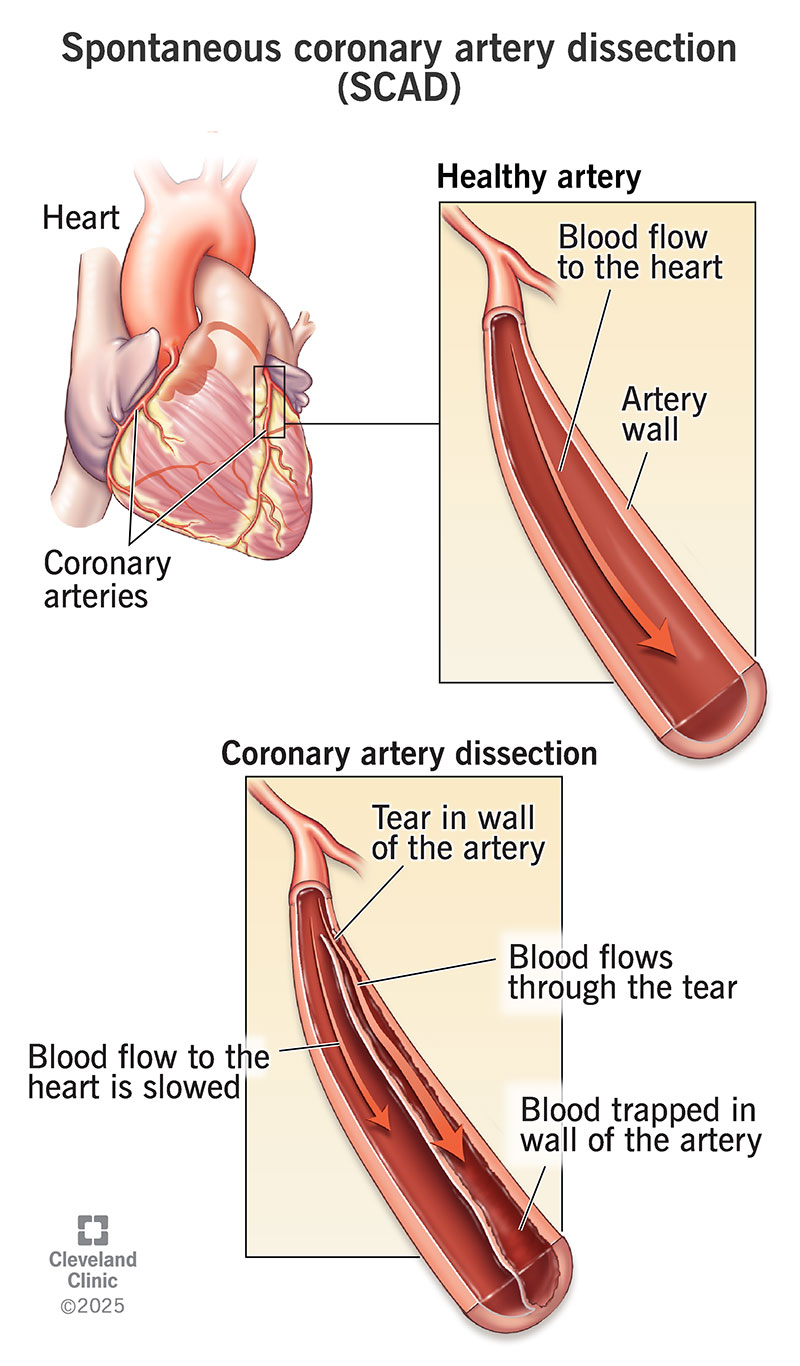
                           Spontaneous Coronary Artery Dissection (SCAD)


Spontaneous Coronary Artery Dissection: Current State of the Science: A Scientific Statement From the American Heart Association | Circulation

Screening and Prevention: What Every Woman Should Do

  • Know your numbers: blood pressure, cholesterol, blood sugar and weight
  • Share your full history with your doctor, including pregnancy complications, early menopause and autoimmune disease
  • Ask about a coronary calcium scan if your risk is borderline or intermediate
  • Stay active, aiming for at least 150 minutes of moderate activity a week. See our guide to heart-healthy exercises.
  • Don’t smoke, limit alcohol and prioritize sleep
  • Manage stress and get help for depression or anxiety

Frequently Asked Questions

What are the first signs of heart disease in women? Early signs are often subtle: unusual fatigue, shortness of breath with everyday activities, mild chest pressure, or discomfort in the jaw, back or upper abdomen. Many women have no symptoms at all, which is why knowing your risk factors and numbers is so important.

At what age should women worry about heart disease? Heart disease can affect women at any age. Risk rises after menopause, but younger women can develop it too, especially those with diabetes, high blood pressure, pregnancy complications, PCOS, autoimmune disease, or a family history.

Does menopause increase heart disease risk? Yes. After menopause, blood pressure, LDL cholesterol, and abdominal fat tend to rise. Women who go through menopause before age 40 have a higher risk and should talk with their doctor about heart screening.

Can a normal stress test or angiogram miss heart disease in women? Yes. Women are more likely to have coronary microvascular dysfunction, which affects small arteries that standard tests may not show. If you have ongoing symptoms despite “normal” tests, ask about specialized testing.

Should I see a cardiologist if I had preeclampsia? It’s a good idea to have your heart risk assessed, especially if you also have high blood pressure, diabetes, or high cholesterol. Regular checkups and healthy habits can bring your risk back down.

Women's Heart Care in Tampa

You know your body best. If something doesn’t feel right, don’t let anyone, including yourself, dismiss it. Our board-certified cardiologist takes women’s symptoms seriously and considers the full picture, including pregnancy history, menopause, and other women-specific risk factors. We offer comprehensive evaluations, personalized prevention plans, and state-of-the-art diagnostic testing.

Not sure if your symptoms need a specialist? See the 10 warning signs you should see a cardiologist.

Request an appointment or call (813) 540-4322.

602 S Audubon Ave, Suite A, Tampa, FL 33609

Medical Disclaimer

The content provided on the Ascent Cardiology website is intended for general educational and informational purposes only. The information, articles, and media presented on this website do not constitute medical advice, diagnosis, or treatment recommendations. Content published on this website is not intended to replace consultation, evaluation, or treatment by qualified healthcare professionals, including the providers at Ascent Cardiology or other licensed medical professionals.

If you believe you may be experiencing a medical emergency, call 911 or seek immediate emergency medical care.

The medical information, opinions, and educational materials presented on this website are provided for general awareness and may not reflect the specific clinical practices or medical opinions of Ascent Cardiology or its providers. Reliance on any information provided on this website is solely at your own risk.

This website may include links to third-party medical or educational websites for informational purposes only. Ascent Cardiology does not control, endorse, or assume responsibility for the accuracy, reliability, or content of any third-party websites linked from this site.

Sources