The Truth About Coronary Stents: What You Should Know

The Truth About Coronary Stents: What You Should Know

Coronary stents are one of the most important advances in modern medicine. Every day, they save lives during heart attacks and help people with chest pain return to the activities they love. But stents are also widely misunderstood. Many patients believe a stent “fixes” heart disease or prevents future heart attacks in every situation. The truth is more nuanced.

As an interventional cardiologist who implants stents, patients deserve to understand exactly what a stent can and can’t do. Here’s what the research shows.

What Is a Coronary Stent?

A coronary stent is a tiny, expandable mesh tube placed inside a narrowed or blocked heart artery. It’s delivered through a thin catheter, usually from the wrist or groin, in a procedure called percutaneous coronary intervention (PCI) or angioplasty. A balloon opens the artery, and the stent holds it open.

Today’s drug-eluting stents release medication that keeps scar tissue from re-narrowing the artery. Most patients go home the same day or the next morning. Learn more about the benefits of minimally invasive heart treatment.
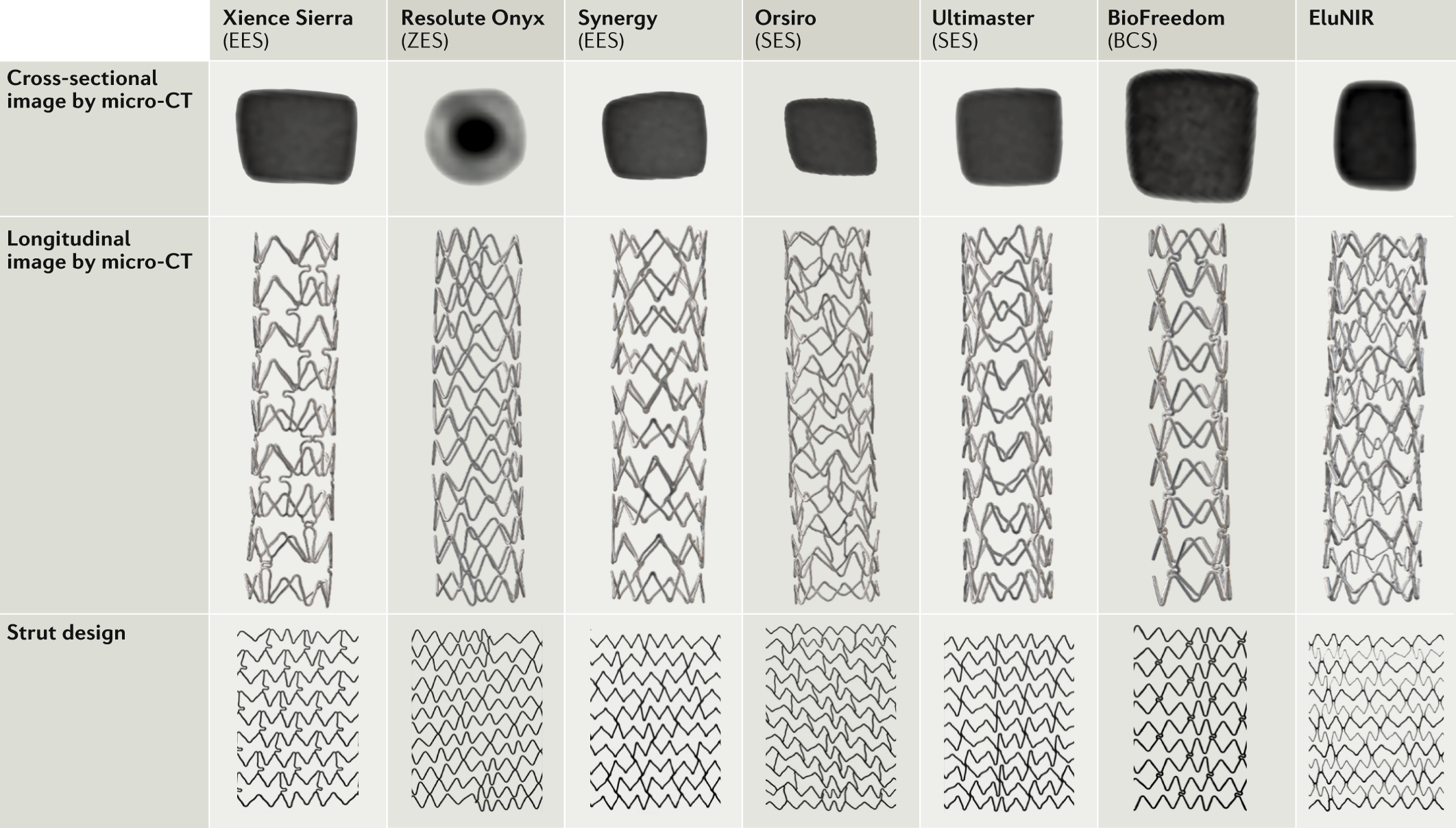
Drug-eluting coronary stents: insights from preclinical and pathology  studies | Nature Reviews Cardiology

What Coronary Stents Fix

1. They Save Lives During a Heart Attack

This is where stents make the biggest difference. During a major heart attack, a blood clot suddenly blocks a coronary artery and heart muscle starts to die within minutes. Opening that artery with a stent as quickly as possible, known as primary PCI, limits damage to the heart and saves lives.

Stents also benefit many patients with unstable angina and other types of heart attacks, especially those at higher risk. If you’re having heart attack symptoms, call 911. Every minute counts. Review the warning signs in 7 life-threatening cardiac emergencies.

2. They Relieve Chest Pain (Angina)

For people with stable coronary artery disease whose chest pain limits their daily life, stents can provide real, meaningful relief.

The strongest evidence comes from ORBITA-2, published in the New England Journal of Medicine in 2023. In this trial, 301 patients with stable angina stopped their anti-anginal medications and were randomly assigned to receive a stent or a placebo procedure, without knowing which they got. Patients who received a stent had significantly less angina than those who had the placebo procedure. Because the trial was blinded, the improvement can’t be explained by expectation alone.

The large ISCHEMIA trial also found that among patients with frequent angina, about half of those who had a procedure were angina-free at one year, compared with about 20% of those treated with medication alone.

3. They Restore Blood Flow Through a Specific Blockage

A stent is very effective at what it’s designed to do: opening a specific narrowed segment of artery and restoring blood flow through it. With modern drug-eluting stents and imaging guidance, the chance of that segment re-narrowing is low.

Stents - Getting a Stent | NHLBI, NIH

What Coronary Stents Don't Fix

1. They Don’t Cure Coronary Artery Disease

Coronary artery disease affects the entire network of heart arteries, not just the spot that’s blocked. A stent treats one narrowing, but plaque is usually present elsewhere, including in areas that look normal on an angiogram. Many future heart attacks start in these less severe areas, when soft plaque ruptures suddenly.

That’s why a stent is the beginning of treatment, not the end of it.

2. In Stable Heart Disease, They Don’t Prevent Heart Attacks or Extend Life

This surprises many patients. The landmark ISCHEMIA trial studied 5,179 people with stable coronary artery disease and moderate to severe ischemia on stress testing. Patients who received stents or bypass surgery plus medication had similar rates of heart attack and cardiovascular death as those treated with medication alone. Death rates were nearly identical: 6.5% versus 6.4% at four years.

This doesn’t mean stents are unhelpful in stable disease. As described above, they relieve angina and improve quality of life. But for most people with stable symptoms, medications and lifestyle changes are what protect against future heart attacks, with or without a stent.

Important exceptions exist. ISCHEMIA didn’t include people with significant left main disease, recent heart attacks, severe or unacceptable angina, or reduced heart function, and some of these patients may benefit more from revascularization.

3. They Don’t Strengthen a Weakened Heart Muscle

Many people assume opening blocked arteries will help a weakened heart pump better. The REVIVED-BCIS2 trial tested this in 700 patients with severely reduced heart function (ejection fraction of 35% or less) and extensive coronary disease. Adding stents to medical therapy didn’t reduce death or heart failure hospitalization and didn’t improve heart function. For these patients, guideline-directed heart failure medications are the foundation of treatment, and some may benefit from bypass surgery instead.

4. They Don’t Treat Small-Vessel Disease

Some people, especially women, have chest pain caused by problems in the heart’s tiny blood vessels, called coronary microvascular dysfunction (CMD). These vessels are far too small for a stent. Learn more in 5 lesser-known heart conditions.

5. They Don’t Replace Healthy Habits or Medication

A stent doesn’t lower cholesterol, blood pressure, or blood sugar, and it doesn’t undo the effects of smoking. Without those, plaque keeps building.

Life After a Coronary Stent

If you have a stent, these steps protect both the stent and the rest of your arteries:

  • Take your antiplatelet medications exactly as prescribed. Usually aspirin plus a second medication such as clopidogrel (Plavix), prasugrel (Effient), or ticagrelor (Brilinta) for a period of time. Stopping too early can cause a dangerous clot inside the stent precipitation a major heart attack. Never stop without talking to your cardiologist, even before surgery or dental work. See cardiac clearance before surgery.
  • Take a high-intensity statin to lower LDL cholesterol and stabilize plaque throughout your arteries. Read statin myths vs. facts.
  • Control blood pressure and diabetes.
  • Don’t smoke or vape.
  • Join cardiac rehabilitation. These supervised programs improve fitness, reduce future heart events, and help you return to normal life with confidence.
  • Stay active. See heart-healthy exercises.
  • Report new or returning chest pain promptly.

Questions to Ask Before Getting a Stent

If a stent is recommended for stable heart disease, it’s reasonable to ask:

  1. What is the main goal: relieving my symptoms, or lowering my risk of a heart attack or death?
  2. Have I tried optimal medications for my angina.
  3. How severe is the blockage, and has its effect on blood flow been measured (for example, with FFR or iFR)
  4. Would bypass surgery be a better option for my anatomy, such as left main or multi-vessel disease, especially with diabetes?
  5. How long will I need to take blood thinners, and do I have upcoming surgeries?

A good cardiologist will welcome these questions.

Frequently Asked Questions

Does a stent cure heart disease? No. A stent treats one specific blockage, but coronary artery disease affects the whole network of heart arteries. Medications, especially statins and antiplatelet drugs, and healthy habits are what slow the disease and protect against future heart attacks.

If I have a blockage, do I need a stent? Not always. In a heart attack, a stent is often life-saving. For stable coronary artery disease, many people do well with medication alone, and stents are mainly used to relieve chest pain that isn’t controlled with medication. Your cardiologist will consider your symptoms, test results and anatomy.

How long does a stent last? Stents are permanent. Modern drug-eluting stents have low rates of re-narrowing. Taking your medications and controlling risk factors protects both the stent and your other arteries.

Can a stent get blocked again? It’s uncommon with modern stents but possible, either through gradual re-narrowing or, rarely, a sudden clot inside the stent. Taking your antiplatelet medication exactly as prescribed is the most important way to prevent a stent clot.

Is bypass surgery better than a stent? It depends. For some people, including those with left main disease or blockages in several arteries, especially with diabetes or a weakened heart, bypass surgery may offer better long-term results. A heart team can help you weigh the options.

A Thoughtful Approach to Stents in Tampa

As an independent interventional cardiologist with privileges at Tampa General Hospital and St. Joseph’s Hospital, our physician performs coronary stenting when it’s the right choice, and is equally committed to medical therapy when it is. Every recommendation starts with a careful evaluation, a clear explanation of the evidence, and a plan built around your goals.

If you’ve been told you need a stent, want a second opinion, or are living with a stent and want to protect your heart, we can help. Learn about the advances in heart disease treatment, including imaging-guided stenting.

Request an appointment or call (813) 540-4322.

602 S Audubon Ave, Suite A, Tampa, FL 33609

Sources