7 Advances in Heart Disease Treatment You Should Know About
A stent is a tiny mesh tube placed in a narrowed heart artery to keep it open. Early bare-metal stents often caused the artery to narrow again. Today’s drug-eluting stents slowly release medication that prevents scar tissue from growing inside the stent.
The newest generation uses thinner struts and coatings that dissolve over time. As a result, rates of re-narrowing and stent clotting are now low. Many patients can also take two blood thinners for a shorter time than in the past, which lowers bleeding risk. Researchers have found that, for some patients, one month of dual antiplatelet therapy can be safe after stent placement.

As people age, plaque in the heart arteries can harden with calcium, almost like bone. Coronary artery calcification makes it difficult to open the artery fully and expand a stent properly.
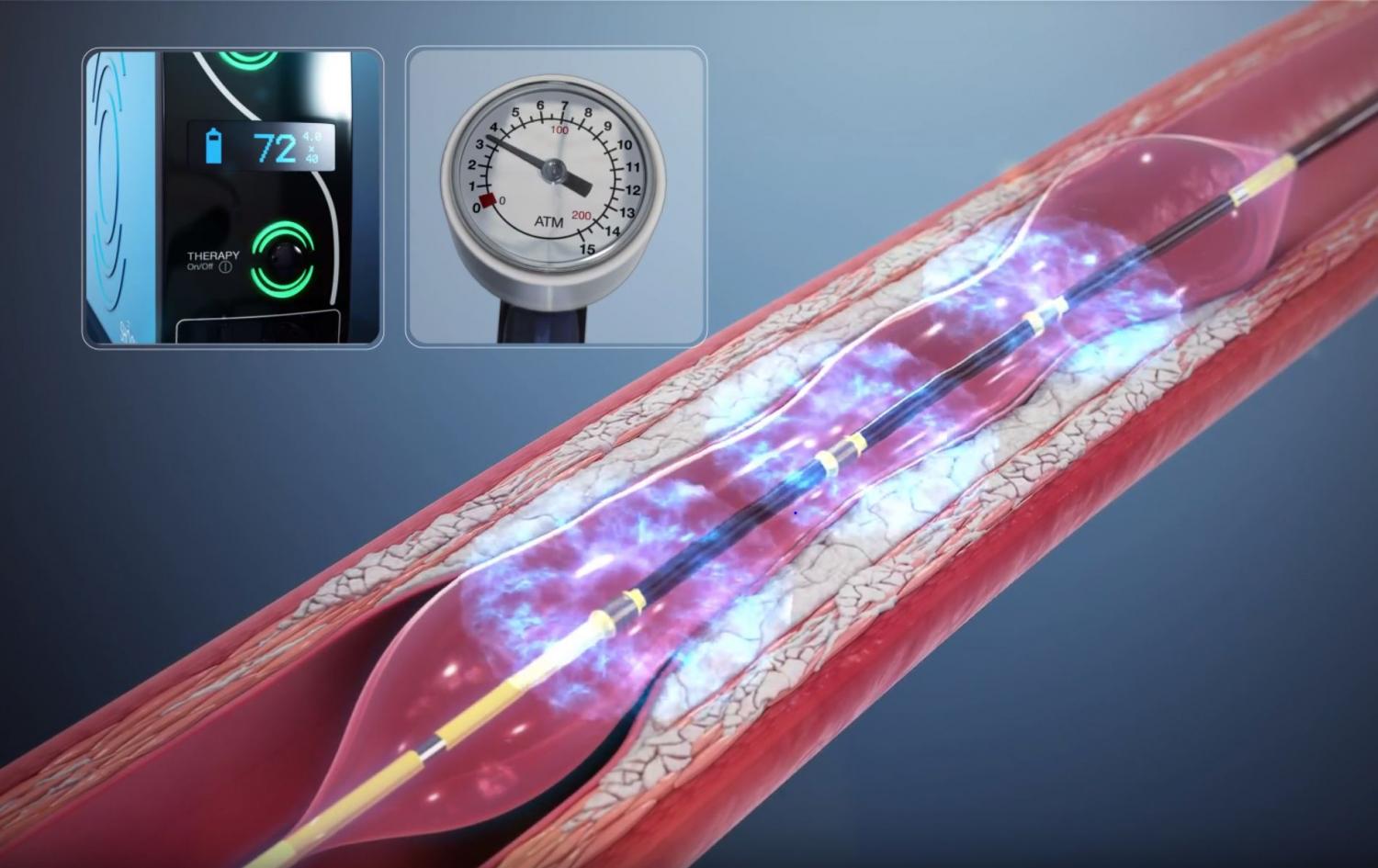
Intravascular lithotripsy (IVL) borrows technology used to break up kidney stones. A special balloon delivers sound-based pressure waves that crack the calcium inside the artery wall. The artery can then be opened and the stent fully expanded, with low rates of complications. For many patients with heavily calcified arteries, IVL has made catheter-based treatment possible where surgery once seemed like the only option. The American College of Cardiology reviews how IVL is used in contemporary practice.
Traditional angiograms show the outline of the artery on an X-ray, but not the artery wall itself. Intravascular imaging changes that:
- Intravascular ultrasound (IVUS) uses sound waves from a tiny probe inside the artery to measure plaque, vessel size and calcium.
- Optical coherence tomography (OCT) uses light to create very high-resolution images of the artery wall and the stent.
With these tools, cardiologists choose the right stent size, confirm it is fully expanded and check that its edges are well positioned. Studies show imaging-guided PCI reduces repeat procedures and heart events compared with angiography alone, particularly for complex blockages. Read the American College of Cardiology summary. For more on how these procedures help patients, see our post on the benefits of minimally invasive heart treatment.

Aortic stenosis is a narrowing of the aortic valve that makes the heart work harder and can cause breathlessness, chest pain and fainting. In the past, the only replacement option was open-heart surgery.
With transcatheter aortic valve replacement (TAVR), a new valve is delivered through a catheter, usually from the groin, and placed inside the diseased valve. TAVR is now approved for patients across the full range of surgical risk. Many go home within one to two days. A heart team that includes an interventional cardiologist and a cardiac surgeon decides whether TAVR or surgery is the better option for each patient. Learn more about TAVR from NHLBI.

Heart failure means the heart isn’t pumping or filling as well as it should. For people with a weakened heart muscle (heart failure with reduced ejection fraction), guidelines now recommend four classes of medication, often called the “four pillars”:
- ARNI therapy (sacubitril/valsartan, which relaxes blood vessel and reduces strain on the heart
- Beta-blockers, which slow the heart rate and protect the heart muscle
- Mineralicorticoid receptor antagonists (spironolactone, finerenone), which reduce fluid buildup and scarring
- SGLT2-inhibitors (such as dapagliflozin and empagliflozin, originally diabetes medications, that also protect the heart and kidneys, even in people without diabetes
Together, these medications lower the risk of hospitalization and death and can help the heart muscle recover. SGLT2-inhibitors also benefit many patients with heart failure with preserved ejection fraction, a form that once had few proven treatments. See the AHA’s guide to medications used to treat heart failure and the ACC’s key points from the heart failure guideline.

Coronary CT angiography (CCTA) uses a fast CT scan and contrast dye to create detailed 3D images of the heart arteries, without a catheter. It can show both hard (calcified) and soft plaque, so heart disease can be found before it causes a heart attack.
CT-derived fractional flow reserve (FFR-CT) takes this further. Computer modeling of the CT images estimates whether a narrowing actually reduces blood flow. This helps identify who truly needs a catheter procedure and who can be treated with medication alone. National chest pain guidelines now support CCTA as a first-line test for many people with chest pain. The ACC reports that CT scanning is highly effective for evaluating chest pain. Some chest pain comes from conditions a CT scan can miss, such as microvascular disease, which we cover in 5 lesser-known heart conditions.

Traditional pacemakers sit under the skin of the chest and connect to the heart with wires called leads. Over time, leads and the pocket under the skin can cause problems such as infection or lead fracture.
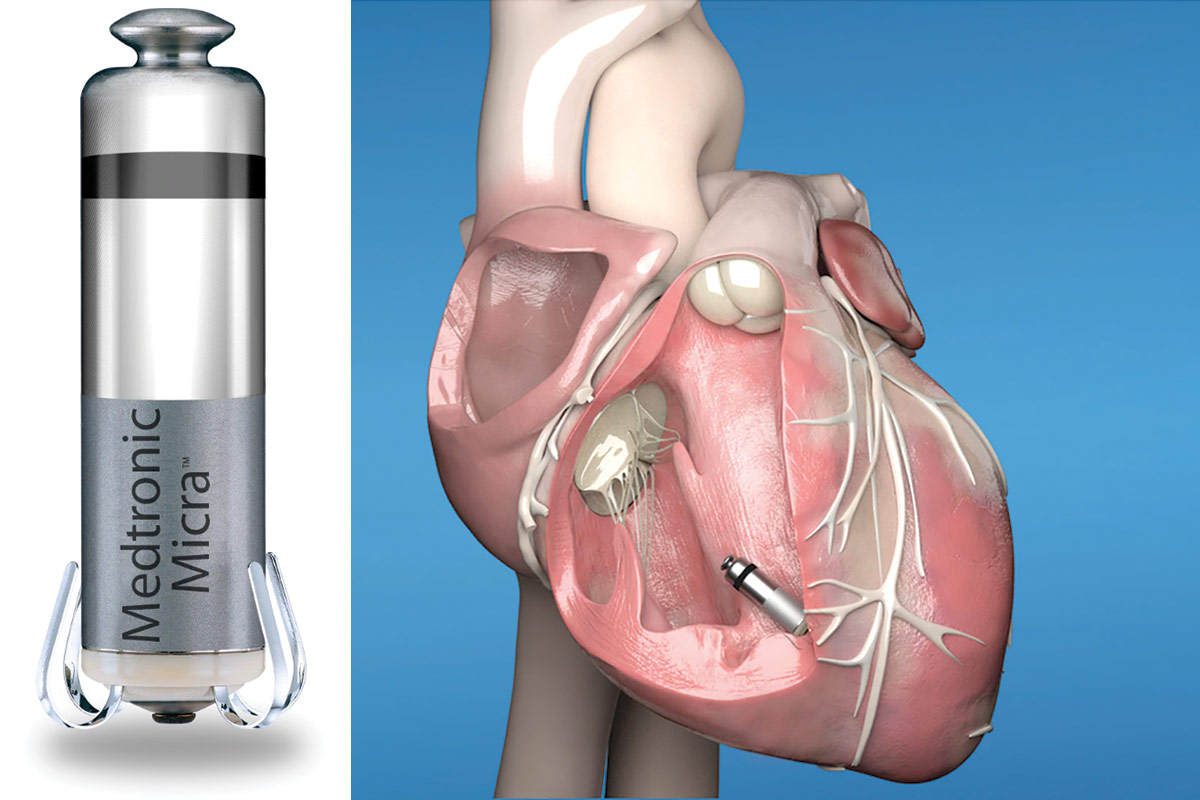
A leadless pacemaker is a self-contained device about the size of a large vitamin. It’s placed directly inside the heart through a catheter in the leg, so there’s no chest incision, no visible bump and no leads. Newer systems, such as the FDA-approved Aveir leadless pacing system, can now pace more than one chamber of the heart.
Other device advances include defibrillators that don’t need wires inside the heart and implantable monitors that track heart rhythm for years.

Ozempic, Wegovy & Zepbound: Can Weight Loss Drugs Protect Your Heart?
Ozempic, Wegovy, and Zepbound have become household names. Millions of Americans use these weight loss drugs, and they’re reshaping how

Do You Need Cardiac Clearance Before Surgery? What Every Patient Should Know
You’re scheduled for a knee replacement, a hernia repair, or another operation, and your surgeon says you need cardiac clearance

7 Heart Conditions Affecting U.S. Veterans: Warning Signs You Shouldn’t Ignore
Veterans served our country. Many also carry the effects of that service in their hearts. Exposure to Agent Orange, burn