Autoimmune Diseases and Heart Disease: Hidden Risks You Should Know
If you live with lupus, rheumatoid arthritis, psoriasis, or another autoimmune condition, your care probably focuses on your joints, skin, or energy level. But one of the most important risks of autoimmune disease is one many patients never hear about: the link between autoimmune disease and heart disease.
People with autoimmune conditions are more likely to develop heart attacks, strokes, heart failure, and other cardiovascular problems, often at younger ages and sometimes without the usual warning signs. The good news is that much of this risk can be found early and lowered with the right care.
Why Autoimmune Disease and Heart Disease Are Connected
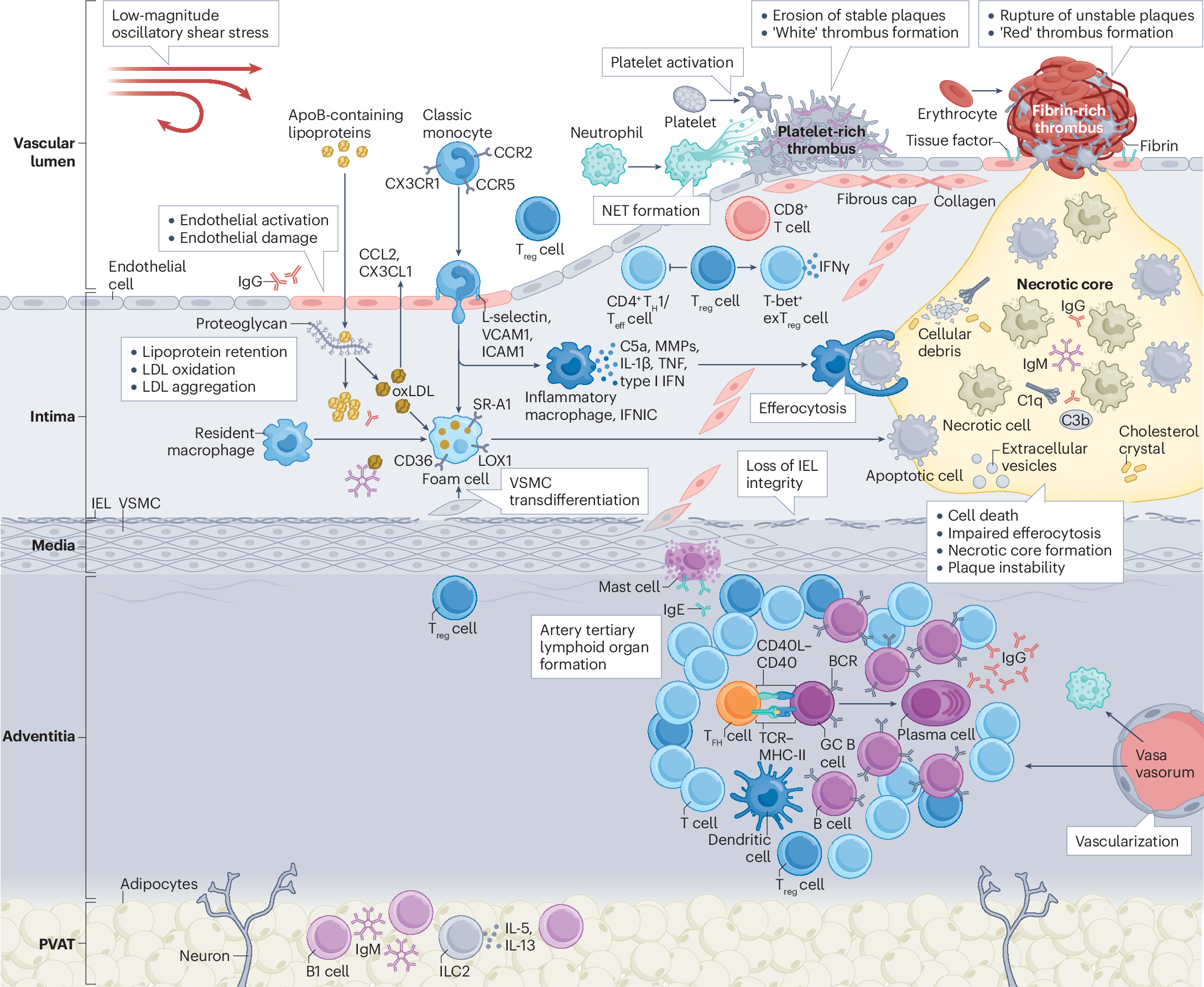
In autoimmune disease, the immune system mistakenly attacks the body’s own tissues. That creates chronic, systemic inflammation, and inflammation is a key driver of atherosclerosis, the buildup of plaque inside the arteries.
Inflammation can:
- Damage the inner lining of blood vessels, making it easier for plaque to form
- Make plaque less stable and more likely to rupture and cause a heart attack or stroke
- Promote blood clotting
- Affect the heart muscle, valves and the sac around the heart directly in some conditions
Some autoimmune treatments can add to the risk, and fatigue, joint pain and flares can make it harder to stay active.
How Big Is the Risk?
A landmark study published in The Lancet in 2022 analyzed health records from about 22 million people in the United Kingdom. According to the study summary from KU Leuven, people with one of 19 autoimmune disorders had, on average, a 1.56 times higher risk of cardiovascular disease than people without autoimmune disease. Risk rose further with each additional autoimmune condition.
Three findings stand out:
- The extra risk was not explained by traditional risk factors such as age, blood pressure, cholesterol, smoking, or type 2 diabetes.
- The excess risk was especially high in people under 55, pointing to premature heart disease.
- The added risk was comparable to that of type 2 diabetes, yet autoimmune patients rarely receive the same focus on heart prevention.
The highest risks were seen with systemic sclerosis (scleroderma), Addison’s disease, lupus, and type 1 diabetes.
Autoimmune Conditions and Their Heart Risks
Each autoimmune disease affects the heart and blood vessels a little differently.
| Condition | How it can affect the heart | What to watch for |
|---|---|---|
| Rheumatoid arthritis | Faster plaque buildup, higher heart attack and heart failure risk | Chest discomfort, breathlessness, swelling, fatigue beyond usual flares |
| Lupus (SLE) | Early coronary artery disease, pericarditis, myocarditis, valve problems, blood clots | Sharp chest pain that changes with breathing, palpitations, leg swelling |
| Psoriasis and psoriatic arthritis | Higher risk of heart attack and stroke, especially with severe disease; more metabolic syndrome | Blood pressure, cholesterol, blood sugar and weight |
| Systemic sclerosis (scleroderma) | Heart muscle scarring, rhythm problems, pulmonary hypertension | Shortness of breath, palpitations, fainting |
| Type 1 diabetes | Earlier and more extensive coronary artery disease | Cholesterol, blood pressure, kidney function |
| Inflammatory bowel disease (Crohn's, ulcerative colitis) | Higher risk of blood clots and heart disease, especially during flares | Leg swelling, sudden breathlessness |
| Ankylosing spondylitis | Aortic valve leakage, inflammation of the aorta, heart rhythm blocks | Breathlessness, dizziness, slow pulse |
| Antiphospholipid syndrome (often with lupus) | Blood clots in arteries and veins, heart attack and stroke at young ages | Sudden weakness, chest pain, leg swelling |
Rheumatoid arthritis. According to Mayo Clinic, people with RA have about a 50% higher risk of heart attack and about twice the risk of heart failure. They are also less likely to have typical heart symptoms, so heart disease is often found late.
Lupus. Cardiovascular disease is a leading cause of death in people with lupus. Women aged 35 to 44 with lupus have been reported to have about 50 times the heart attack risk of other women their age. In one study, 29% of lupus patients aged 18 to 32 already had calcium buildup in their heart arteries.
Why Women Should Pay Special Attention
Most people with autoimmune disease are women, and many are diagnosed in their 20s, 30s and 40s, years when heart disease is rarely on anyone’s radar. Women’s heart attack symptoms can also be subtle. Learn more in heart disease in women: 10 warning signs you should never ignore and menopause and heart disease.

5 Hidden Risks That Link Autoimmune Disease and Heart Disease
1. Standard Risk Calculators Can Underestimate Your Risk
The calculators doctors use to estimate 10-year heart risk were built mostly on people without autoimmune disease. Mayo Clinic research found that standard assessments often underestimate risk in rheumatoid arthritis because they leave out inflammation. The National Lipid Association notes that chronic inflammatory conditions such as RA, psoriasis, and HIV should be treated as risk-enhancing factors, which can lower the threshold for starting a statin. For RA, one suggested approach is to multiply the calculated risk by 1.5.
2. Symptoms Can Be Silent or Mistaken for a Flare
Fatigue, shortness of breath, and chest discomfort are easy to blame on your autoimmune condition. Patients with RA are less likely to have classic heart attack symptoms. New or worsening breathlessness, chest pressure, or swelling deserves a heart evaluation, not just a flare plan.
3. Some Medications Raise Heart Risk
Autoimmune treatment is essential, and controlling inflammation is good for your heart. But some medicines have cardiovascular effects:
- Corticosteroids such as prednisone can raise blood pressure, blood sugar, cholesterol, and weight with long-term use.
- NSAIDs such as ibuprofen and naproxen can raise blood pressure, affect kidney function, and worsen heart failure.
- Some newer immune drugs carry heart and clot warnings for certain patients, so ask your rheumatologist how they apply to you.
Never stop an autoimmune medication on your own. Your rheumatologist and cardiologist can work together to balance the benefits. See the truth about heart medications for more on side effects and interactions.
4. Heart Disease Can Start Early
The Lancet study found the greatest excess risk in people under 55. Plaque can develop in your 20s and 30s with lupus and other conditions. Waiting until midlife to think about heart health may be too late.
5. The Heart Can Be Affected Directly
Beyond clogged arteries, some autoimmune diseases inflame the heart itself:
- Pericarditis: inflammation of the sac around the heart, causing sharp chest pain
- Myocarditis: inflammation of the heart muscle, causing weakness or rhythm problems
- Valve disease: thickening or leaking of the heart valves
- Pulmonary hypertension: high pressure in the lung arteries, especially in scleroderma
An echocardiogram, an ultrasound of the heart, can detect many of these problems.
How to Protect Your Heart With an Autoimmune Disease
- Control the inflammation. Work with your rheumatologist to keep your disease in remission or low activity, with the lowest effective steroid dose.
- Know your numbers. Check blood pressure, cholesterol, blood sugar and weight at least yearly.
- Ask about a statin. Your autoimmune condition may tip the balance toward treatment even if your numbers look “borderline.” Read statin therapy: separating myth from fact.
- Consider extra testing. A coronary artery calcium scan, echocardiogram or stress test may help clarify your risk.
- Stay active. Low-impact exercise such as walking, swimming and cycling protects both joints and heart. See heart-healthy exercises that could save your life.
- Don’t smoke. Smoking worsens both autoimmune disease and heart disease.
- Keep up with vaccines. Infections can trigger flares and strain the heart. Read 5 vaccines every heart patient should get.
When to See a Cardiologist
Consider a cardiology evaluation if you have an autoimmune disease and:
- Chest pain, pressure or sharp pain that changes with breathing
- New shortness of breath, swelling, palpitations, or fainting
- Two or more traditional risk factors, such as high blood pressure, high cholesterol, diabetes, smoking, or family history
- Long-term steroid use
- Lupus with antiphospholipid antibodies, scleroderma, or long-standing RA
- Plans for pregnancy with lupus or antiphospholipid syndrome
Autoimmune Disease and Heart Disease FAQ
Does having an autoimmune disease mean I will get heart disease? No. It raises your risk, but most of that risk can be lowered by controlling inflammation, managing traditional risk factors, and getting the right screening.
Which autoimmune diseases carry the highest heart risk? In the large 2022 Lancet study, systemic sclerosis, Addison’s disease, lupus and type 1 diabetes had the highest risks. Rheumatoid arthritis and psoriasis also clearly raise risk.
Does treating my autoimmune disease help my heart? Controlling inflammation is good for your blood vessels. The aim is effective disease control with the lowest necessary steroid dose, while also managing blood pressure, cholesterol and blood sugar.
Should I take a statin if I have lupus or rheumatoid arthritis? It depends on your overall risk. Experts consider conditions such as RA and psoriasis risk-enhancing factors that can tip the decision toward a statin. Discuss it with your cardiologist.
What heart tests should someone with autoimmune disease get? Start with blood pressure, a lipid panel and blood sugar. Depending on your risk and symptoms, an ECG, echocardiogram, coronary calcium scan or stress test may be recommended.
Cardiology Care for Autoimmune Patients in Tampa
At Ascent Cardiology, we evaluate heart risk with your whole health picture in mind, including your autoimmune condition and its treatment. As an independent practice, you see the same cardiologist at every visit, and we coordinate closely with your rheumatologist, dermatologist or gastroenterologist.
Not sure if you need an evaluation? See our warning signs you should see a cardiologist.
Request an appointment or call (813) 540-4322.
602 S Audubon Ave, Suite A, Tampa, FL 33609
Medical Disclaimer
The content provided on the Ascent Cardiology website is intended for general educational and informational purposes only. The information, articles, and media presented on this website do not constitute medical advice, diagnosis, or treatment recommendations. Content published on this website is not intended to replace consultation, evaluation, or treatment by qualified healthcare professionals, including the providers at Ascent Cardiology or other licensed medical professionals.
If you believe you may be experiencing a medical emergency, call 911 or seek immediate emergency medical care.
The medical information, opinions, and educational materials presented on this website are provided for general awareness and may not reflect the specific clinical practices or medical opinions of Ascent Cardiology or its providers. Reliance on any information provided on this website is solely at your own risk.
This website may include links to third-party medical or educational websites for informational purposes only. Ascent Cardiology does not control, endorse, or assume responsibility for the accuracy, reliability, or content of any third-party websites linked from this site.
Sources
- Autoimmune Disorders Increase Risk of Cardiovascular Disease (The Lancet, 2022) — KU Leuven
- The Rheumatoid Arthritis and Heart Disease Connection — Mayo Clinic News Network
- Heart Disease Risk in Lupus Patients — CreakyJoints
- Chronic Inflammatory Conditions and Cardiovascular Risk — National Lipid Association