7 Heart-Healthy Exercises That Could Save Your Life

7 Heart-Healthy Exercises That Could Save Your Life

If there were a pill that lowered blood pressure, improved cholesterol, controlled blood sugar, reduced stress, and cut your risk of dying early by up to half, everyone would take it. That pill exists. It’s called exercise. The right heart-healthy exercises strengthen your heart muscle, keep your arteries flexible and protect you from heart attack and stroke.

The best part: you don’t need a gym membership or hours a day. Here are seven exercises backed by research, how much you need, and how to get started safely.

How Exercise Protects Your Heart

Regular physical activity helps your heart in several ways at once:

  • Lowers blood pressure by keeping blood vessels flexible
  • Improves cholesterol by raising HDL (“good”) cholesterol and lowering triglycerides
  • Controls blood sugar and lowers the risk of type 2 diabetes
  • Helps with weight management and reduces belly fat, which is linked to heart disease
  • Reduces inflammation and stress hormones
  • Strengthens the heart muscle, so it pumps more blood with less effort

How Much Exercise Do You Need?

The American Heart Association recommends that adults get:

  • At least 150 minutes per week of moderate-intensity aerobic activity, such as brisk walking, or 75 minutes per week of vigorous activity, such as running, or a combination
  • Muscle-strengthening activity at least 2 days per week
  • Less time sitting. Even light activity helps offset the risks of sitting too long.

That’s just 30 minutes, five days a week. Getting 300 minutes or more per week provides even greater benefits. And if your schedule only allows exercise on weekends, research suggests “weekend warriors” may gain the same benefits as people who spread their activity out.

                                     Getting Started: Tips for Long-term Exercise Success

1. Brisk Walking

Walking is the easiest, safest and most accessible of all heart-healthy exercises. It requires no equipment and can be done almost anywhere, including along Tampa’s Bayshore Boulevard.

The evidence: A 2022 analysis of 15 studies with nearly 50,000 adults, published in Lancet Public Health, found that people who took the most steps per day had about half the risk of dying early as those who took the fewest. The benefit leveled off at about 6,000 to 8,000 steps a day for adults 60 and older, and 8,000 to 10,000 steps a day for younger adults.

How to start: Walk at a pace where you can talk but not sing. Begin with 10-minute walks and build up. Add steps by taking the stairs, parking farther away or walking after meals.

2. Running or Jogging

Running is one of the most efficient forms of vigorous exercise. Because it’s more intense, 75 minutes per week provides benefits similar to 150 minutes of brisk walking. Studies suggest that even short, slow runs of 5 to 10 minutes a day are linked to a lower risk of dying from heart disease.

How to start: Alternate one minute of jogging with two minutes of walking, and gradually increase the running intervals. Invest in good running shoes. If you have joint problems, choose a lower-impact option below.

3. Cycling

Whether outdoors or on a stationary bike, cycling is a low-impact aerobic workout that’s easy on the knees and hips. It strengthens the large muscles of the legs, which helps the heart pump blood more efficiently. Cycling to work or errands is also an easy way to build activity into your day.

How to start: Begin with 15 to 20 minutes at a comfortable pace and gradually add time or resistance. Always wear a helmet outdoors.

4. Swimming and Water Aerobics

Swimming works the whole body while the water supports your joints, making it ideal for people with arthritis, back pain or excess weight. Water aerobics and water walking offer similar benefits for those who aren’t strong swimmers.

How to start: Try swimming laps for 10 minutes and build from there, or join a water aerobics class. Florida’s climate makes swimming a year-round option.

5. Strength Training

Strength training isn’t just for building muscle. It improves blood sugar control, helps manage weight, strengthens bones and supports healthy blood pressure.

The evidence: A review in the British Journal of Sports Medicine found that just 30 to 60 minutes a week of muscle-strengthening activity was linked to a 10% to 20% lower risk of death and heart disease. People who combined strength training with aerobic exercise had a 46% lower risk of dying from cardiovascular disease.

How to start: Use light weights, resistance bands or your own body weight with exercises like squats, lunges, push-ups against a wall and rows. Aim for two sessions a week, working all major muscle groups. Breathe out during the effort and avoid holding your breath.

                          Strength training isn't bodybuilding. It can be as simple as squats or arm  curls while holding soup cans. If strength training is new to you, it's OK  to start small and focus

6. Interval Training

Interval training alternates short bursts of harder effort with periods of easier recovery. For example, you might walk briskly for three minutes, then walk as fast as you can for one minute, and repeat. This approach is one of the most effective ways to improve cardiorespiratory fitness, a powerful predictor of heart health and longevity.

High-intensity interval training (HIIT) is even used in supervised cardiac rehabilitation programs. Intervals can be adjusted to any fitness level; “high intensity” simply means hard for you.

How to start: Add a few faster intervals to your usual walk, bike ride, or swim. If you have heart disease or haven’t exercised in a while, talk with your cardiologist before trying high-intensity intervals.
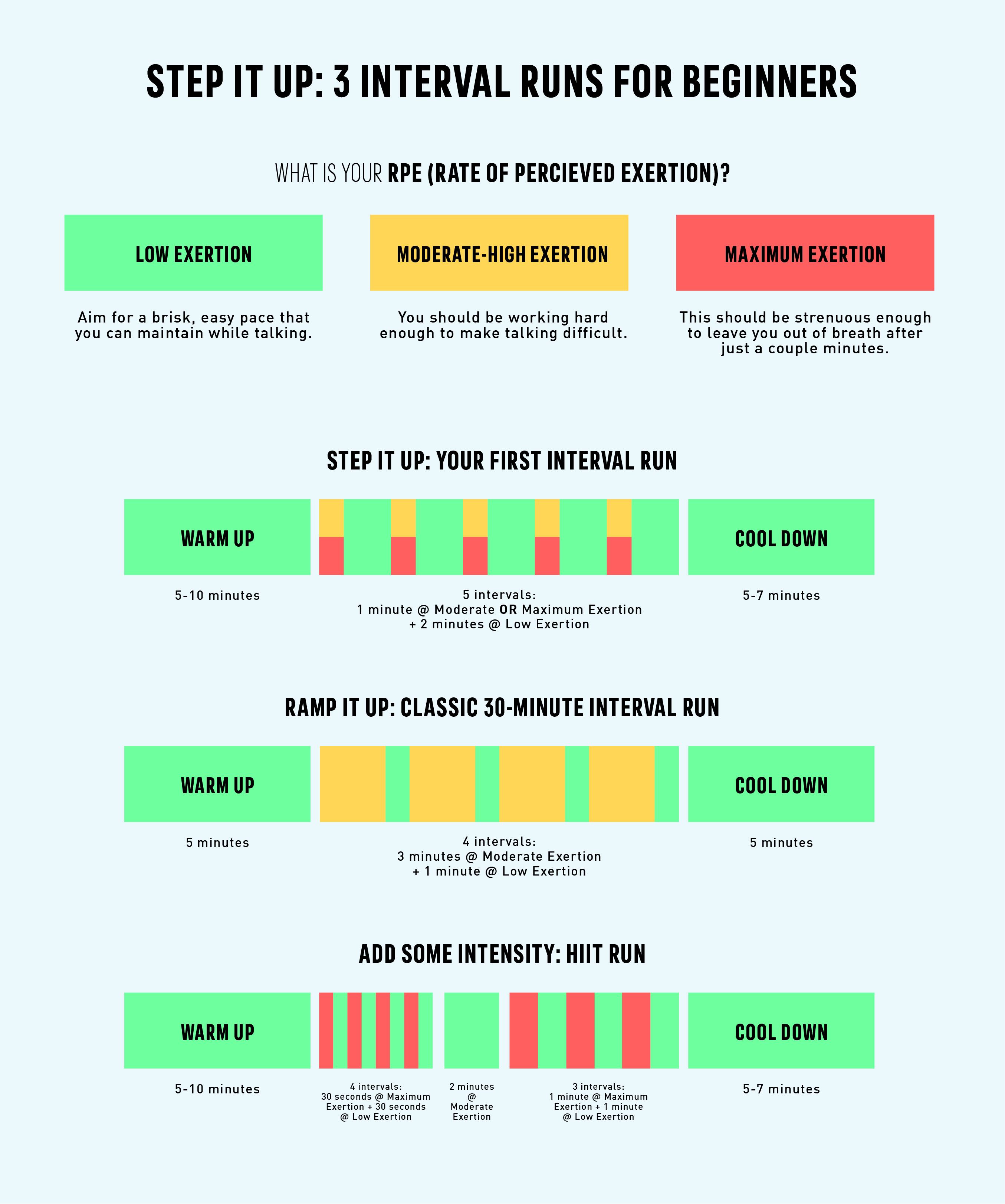
Interval Running for Beginners: Where to Start

7. Isometric Exercises: Wall Sits and Planks

Isometric exercises involve holding a muscle contraction without moving, as in a wall sit or plank. They take only minutes and require no equipment, and research suggests they’re especially effective at lowering blood pressure.

The evidence: A large 2023 analysis in the British Journal of Sports Medicine compared different types of exercise and found that isometric training produced the largest reductions in blood pressure, about 10 points systolic and 5 points diastolic in some studies. Wall sits were among the most effective single exercises. Learn more about how high blood pressure damages your body.

How to start: A typical routine is four 2-minute wall sits with 2 minutes of rest between, three times a week. Keep breathing steadily throughout. Holding your breath can cause a sharp spike in blood pressure. If you have high blood pressure or heart disease, check with your doctor first.

A bonus for balance and stress: Yoga and tai chi improve flexibility and balance and lower stress, which also helps blood pressure. They’re excellent additions to the seven exercises above.

Exercise Safety: When to Check With a Cardiologist First

Exercise is safe for most people, but talk with your doctor before starting a new program if you:

  • Have heart disease, a stent or bypass, heart failure or a heart rhythm problem
  • Have had a heart attack or heart procedure recently
  • Have diabetes, high blood pressure or kidney disease
  • Have been inactive and are over 45 for men or 55 for women, especially with risk factors
  • Have a pacemaker or implantable defibrillator

Your cardiologist may recommend a stress test to find a safe exercise level. After a heart attack or heart procedure, cardiac rehabilitation offers supervised exercise and is one of the most effective ways to recover safely.

Stop exercising and seek medical care if you have chest pain or pressure, unusual shortness of breath, dizziness or fainting, or a racing or irregular heartbeat. Call 911 if symptoms don’t go away with rest. For a complete list, see the 10 warning signs you should see a cardiologist. Active athletes can also read about athlete’s heart and when to worry.

Frequently Asked Questions

What is the single best exercise for heart health? The best exercise is the one you’ll do consistently. For most people, brisk walking is the easiest place to start. Combining aerobic exercise with strength training two days a week provides the greatest overall benefit.

How many steps a day are good for your heart? Research suggests the greatest benefit comes from about 6,000 to 8,000 steps a day for adults 60 and older and 8,000 to 10,000 for younger adults. If you’re far below that, adding even 1,000 to 2,000 steps a day can help.

Is it too late to start exercising if I’m older? No. People who become active later in life still gain significant heart benefits. Start slowly, choose low-impact activities like walking, cycling or swimming, and check with your doctor if you have health conditions.

Can exercise lower my blood pressure? Yes. Regular aerobic exercise, strength training and especially isometric exercises like wall sits can lower blood pressure. For some people, the effect is similar to a blood pressure medication. Don’t stop any prescribed medication without talking to your doctor.

Is it safe to exercise after a heart attack or stent? Yes, and it’s strongly encouraged, but it should be guided. Cardiac rehabilitation programs provide supervised exercise tailored to your heart. Ask your cardiologist when and how to start.

Get a Heart Check Before You Get Moving

Whether you’re starting a new routine, training for a race or getting back to activity after a heart event, a cardiology evaluation can help you exercise safely and confidently. As team physician for the Tampa Bay Lightning, our cardiologist brings the same expertise used with elite athletes to patients at every fitness level.

Request an appointment or call (813) 540-4322.

602 S Audubon Ave, Suite A, Tampa, FL 33609

Medical Disclaimer

The content provided on the Ascent Cardiology website is intended for general educational and informational purposes only. The information, articles, and media presented on this website do not constitute medical advice, diagnosis, or treatment recommendations. Content published on this website is not intended to replace consultation, evaluation, or treatment by qualified healthcare professionals, including the providers at Ascent Cardiology or other licensed medical professionals.

If you believe you may be experiencing a medical emergency, call 911 or seek immediate emergency medical care.

The medical information, opinions, and educational materials presented on this website are provided for general awareness and may not reflect the specific clinical practices or medical opinions of Ascent Cardiology or its providers. Reliance on any information provided on this website is solely at your own risk.

This website may include links to third-party medical or educational websites for informational purposes only. Ascent Cardiology does not control, endorse, or assume responsibility for the accuracy, reliability, or content of any third-party websites linked from this site.

Sources