Can Flying Affect Your Heart? What Every Air Traveler Should Know
From Tampa International to a cross-country business trip or a family vacation overseas, air travel is part of life for many of our patients. One of the most common questions we hear in clinic is simple: is flying with a heart condition safe?
For most people with stable heart disease, the answer is yes. Commercial flights are safe for the large majority of heart patients. What matters most is not the airplane itself, but how stable your heart condition is when you board. Below, we answer the seven questions our patients ask most often about flying with a heart condition.

1. What Happens to Your Heart at 35,000 Feet?
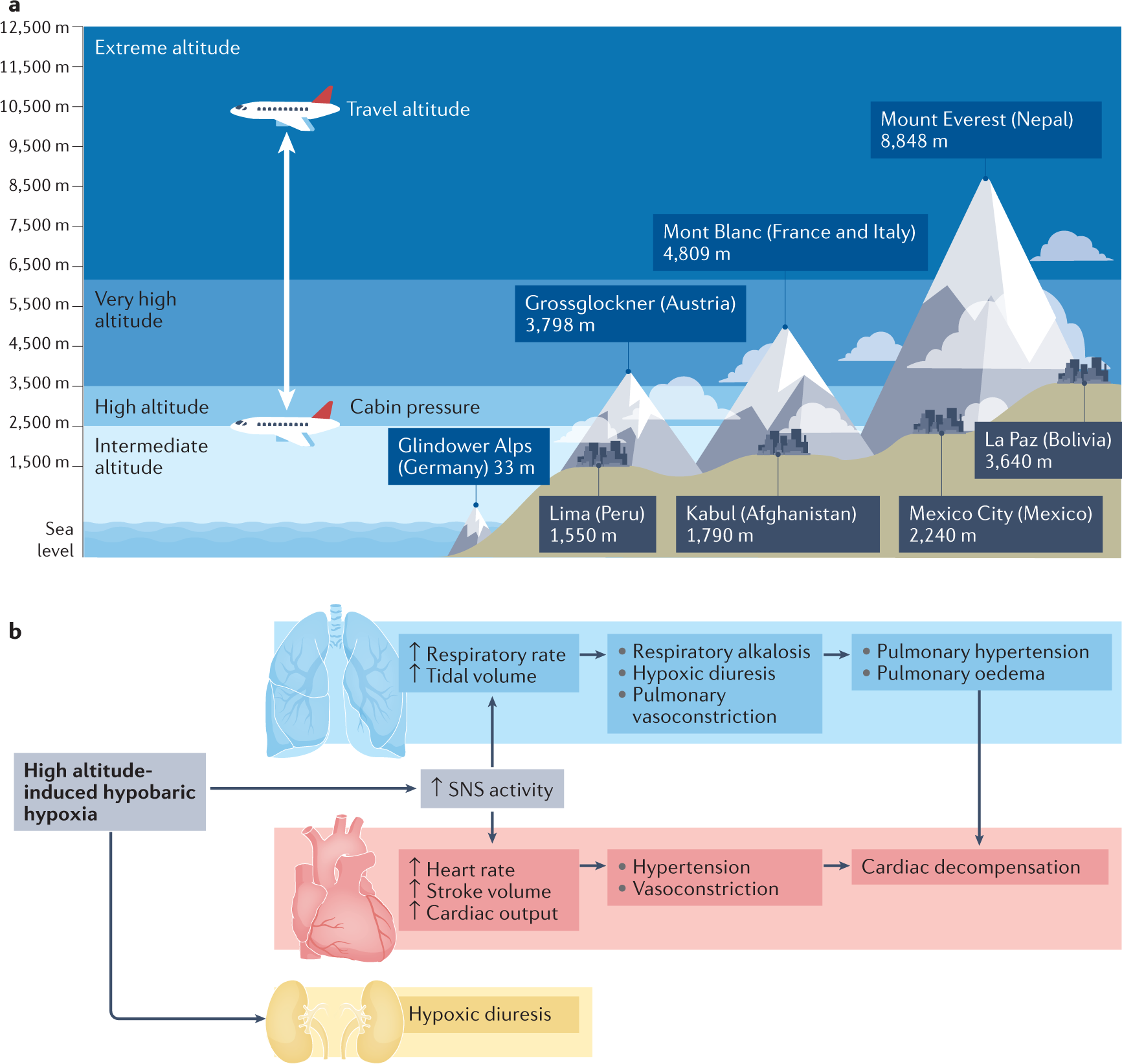
Airline cabins are pressurized, but not to sea level. Cabin pressure on a commercial flight is generally equivalent to an altitude of about 6,000 to 8,000 feet, and the FAA sets 8,000 feet as the maximum. At that pressure, each breath delivers less oxygen to your lungs and bloodstream.
The result is a modest drop in blood oxygen saturation. In an FAA-sponsored altitude chamber study, average saturation fell from about 95% to about 90.6% at a simulated 7,000 feet. Healthy travelers usually tolerate this well and never notice it.
It may matter more if you have certain heart or lung conditions, such as severe coronary artery disease, heart failure, pulmonary hypertension, cyanotic congenital heart disease, or chronic lung disease. Lower oxygen makes the heart work harder and can precipitate chest pain, breathlessness, or rhythm changes. In the FAA study, extra heartbeats and short runs of irregular rhythms became more frequent in participants with heart failure.
Cabin air is also very dry, and travel days often mean less water and more coffee or alcohol. That combination contributes to dehydration, which can lower blood pressure particularly in patients on diuretics.
2. Can Flying Increase Your Risk of Blood Clots?
Yes, modestly, especially on long-haul flights. Sitting still for hours slows blood flow in the leg veins (venous stasis). Sluggish flow can allow a clot to form in a deep leg vein, called deep vein thrombosis (DVT). If part of that clot breaks off and travels to the lungs, it becomes a pulmonary embolism (PE), which can be life-threatening.
According to the CDC Yellow Book:
- Long-distance travel, usually defined as more than 4 hours, may raise clot risk two- to four-fold. Flights under 4 hours carry negligible risk of symptomatic clots.
- The absolute risk is low: about 1 in 4,656 to 1 in 6,000 flights longer than 4 hours.
- Most travel-related clots occur within one to two weeks after the trip, and nearly all in people with at least one risk factor.
- Higher-risk travelers include those with a prior clot, recent surgery or hospitalization, active cancer, estrogen therapy, pregnancy, obesity, or limited mobility.
How to lower your risk on a long flight
- Get up and walk the aisle periodically when it is safe to do so.
- Do calf exercises while seated: ankle pumps, heel raises and toe raises every 30 minutes or so.
- Choose an aisle seat when you can. The CDC notes window seats were linked to about twice the clot risk.
- If you are at higher risk, ask your doctor about properly fitted below-the-knee graduated compression stockings (15–30 mmHg at the ankle).
- Medication to prevent travel clots is decided case by case. Do not start aspirin or a blood thinner on your own.
- Stay hydrated and limit alcohol.
Learn more about the warning signs of poor circulation in your legs.
3. Can Air Travel Trigger Atrial Fibrillation or Palpitations?
Many travelers notice a racing or fluttering heartbeat on a travel day. Usually the cause is not the airplane itself but what travel does to the body:
- Dehydration from dry cabin air and drinking less water
- Disrupted sleep from early departures, overnight flights and jet lag
- Stress and adrenaline from security lines, tight connections, and carrying heavy bags
- Caffeine to stay alert
- Alcohol, a well-known trigger for AFib episodes, sometimes called “holiday heart”
These factors can cause extra beats or bring on an episode in people already prone to atrial fibrillation. Flying itself does not routinely trigger atrial fibrillation in patients whose rhythm is otherwise stable and well managed.
If you have atrial fibrillation, take your rate or rhythm-control medicines and your blood thinner on schedule, even across time zones. Limit alcohol and caffeine, drink water, and try to protect your sleep. If your atrial fibrillation is new, recently changed, or poorly controlled, see your cardiologist before embarking on a trip. Read more about the serious risks of atrial fibrillation and how stress affects your heart.
4. Is Flying Safe After a Heart Attack or Coronary Stent?
For many patients, yes, once they are clinically stable. But there is no single waiting period that applies to everyone. When it is safe to fly depends on what happened and how well you are recovering.
Elective stent (planned PCI). Patients who have an uncomplicated, planned stent procedure for stable coronary artery disease often recover quickly. Many can travel relatively soon, once the access site has healed and their medications are settled.
Uncomplicated heart attack. After a heart attack treated promptly with a stent, with good heart function and no complications, recovery is often straightforward. Your cardiologist will still want to see that you are free of chest pain, walking comfortably, and tolerating your new medicines before you fly.
Complicated hospitalization. A longer wait and a more careful evaluation are needed if your heart attack involved:
- Reduced heart pumping function or heart failure
- Dangerous rhythm problems
- Ongoing chest pain or more blockages still to be treated
- Bypass surgery or other complications
What your cardiologist considers
- Whether you have any chest pain, breathlessness or dizziness with activity
- Your heart’s pumping function (ejection fraction)
- Whether all significant blockages have been treated
- Rhythm stability and any device therapy
- The length and destination of the trip, and access to medical care there
Two things matter in every case. Never miss doses of your antiplatelet medicines after a stent, and carry your nitroglycerin in your carry-on. The British Heart Foundation notes that it is safe to use nitroglycerin (NTG) spray on a plane.
Want to know more about what a stent does? Read the truth about coronary stents.
5. Flying With Heart Failure: What Are the Risks?
Many people with well-controlled heart failure fly safely. The key word is controlled. Heart failure adds several challenges in the air:
- Less oxygen. Lower cabin oxygen asks a weakened heart to work harder. Patients with advanced symptoms or low resting oxygen may need supplemental oxygen, arranged with the airline in advance.
- Exertion on the ground. Long walks through terminals, stairs, and heavy luggage can be harder than the flight itself. Request wheelchair or cart assistance if walking is limited.
- Fluid balance. Long periods of sitting cause leg swelling. Salty airport and airline food, plus changes in fluid intake, can tip the balance toward fluid buildup. Ask how to time diuretics on travel days so you are not stuck without restroom access.
- Medication adherence. Missed or mistimed doses across time zones are a common reason for heart failure to worsen while traveling. Pack all medicines in your carry-on, with extra supply.
Postpone nonessential travel if your heart failure is decompensated, meaning recent weight gain, worsening swelling, increasing shortness of breath, trouble lying flat, or a recent hospitalization or medication change. Fly once your cardiologist confirms you are stable. Keep weighing yourself daily during your trip, and know whom to call if your weight or symptoms change.
6. Can Flying Cause a Heart Attack?
Commercial air travel does not generally cause heart attacks in healthy people. The modest drop in cabin oxygen is well within what a healthy heart handles.
Heart attacks and other acute coronary events can still happen during travel. When they do, the main driver is usually a person’s underlying cardiovascular risk, such as known or undiagnosed coronary artery disease, uncontrolled blood pressure, diabetes, high cholesterol, or smoking. The physical effects of flying, along with travel stress, exertion and missed medications, can act as a trigger in someone whose heart is already vulnerable.
In-flight medical emergencies are uncommon. A large study in the New England Journal of Medicine found about 1 emergency per 604 flights. Cardiac symptoms made up 7.7% of those emergencies, and cardiac arrest only 0.3%.
The best protection is knowing your risk before you go. If you have risk factors or symptoms you have been putting off, a check-up before a big trip is a good idea. See our list of warning signs you should see a cardiologist.
7. When Should You See a Cardiologist Before Flying?
Most people with stable heart disease do not need special clearance to fly. An individualized assessment before booking is wise if you have:
- A recent acute coronary syndrome: a heart attack or unstable angina in recent weeks
- Unstable angina: chest pain that is new, more frequent, or occurs at rest
- Uncontrolled arrhythmias: rapid atrial fibrillation, frequent palpitations, fainting, or a recent ICD shock
- Decompensated heart failure: worsening swelling, weight gain, or breathlessness
- Significant symptomatic valve disease: for example, severe aortic stenosis with chest pain, breathlessness, or lightheadedness (see mitral valve warning signs)
- A recent pulmonary embolism: especially if you are still short of breath or newly on a blood thinner
- A recent procedure or surgery, or a pending test, procedure, or device implant
At a pre-travel visit, we review your symptoms, medications, and recent tests, and may check an ECG, oxygen level, or device. You leave with a plan and peace of mind for your trip.
Smart Tips for Flying With a Heart Condition
- Carry a current medication list, a recent ECG copy, a summary of your diagnoses, and your cardiologist’s phone number.
- Keep all medications in your carry-on, with a few extra days’ supply.
- Ask how to time blood thinners, insulin, and diuretics across time zones.
- Confirm your travel insurance covers pre-existing heart conditions.
- Pacemaker or ICD: show your device ID card at security. Device makers such as Boston Scientific note that body scanners will not harm your device or change its settings. Ask that a handheld wand not be held over the device, or request a pat-down.
Get help right away, by alerting a flight attendant in the air or calling 911 on the ground, if you have chest pain or pressure, sudden shortness of breath, fainting, a racing heartbeat that won’t settle, or one swollen, painful leg. Learn more about cardiac emergencies you should never ignore.
Frequently Asked Questions
Should everyone wear compression socks on a flight? No. The CDC notes that guidelines recommend properly fitted below-the-knee compression stockings for travelers at increased risk of blood clots on long flights, not for everyone. Ask your doctor whether you fall into that group.
How soon can I fly after a stent? It depends on why you had the stent and how you are recovering. Many patients with an uncomplicated, planned stent can travel fairly soon, sometimes as soon as the next day, while those recovering from a complicated heart attack need longer. Your cardiologist will set the timing based on your symptoms, heart function, and medications.
Is it safe to fly with atrial fibrillation? Yes, if your heart rate and symptoms are well controlled and you take your blood thinner as prescribed. If your atrial fibrillation is new or poorly controlled, talk to your cardiologist before you travel.
Do I need oxygen on the plane? Most heart patients do not. Supplemental oxygen may be needed if you have low oxygen levels at rest, advanced heart failure, or significant lung disease. Arrange it with your airline well in advance.
Should I take aspirin to prevent blood clots on a long flight? Not on your own. Guidelines differ, and aspirin carries bleeding risk. Walking, calf exercises, an aisle seat and, for higher-risk travelers, compression stockings are the first steps. Ask your doctor before any medication.
Will airport security affect my pacemaker? No. Body scanners and walk-through detectors are considered safe for implanted devices. Show your device card and ask that a handheld wand not be held over the device.
Pre-Travel Heart Evaluations in Tampa
Planning a trip after a recent heart diagnosis or procedure? Ascent Cardiology offers pre-travel cardiac evaluations, medication reviews, and device checks so you can fly with confidence. As an independent practice, you see the same cardiologist every visit, a physician who knows your history and can give you a clear plan for your trip.
We care for travelers, business professionals, athletes, and active-duty military and veterans across the Tampa Bay area. If you have symptoms that worry you, see our guide on warning signs you should see a cardiologist.
Request an appointment or call (813) 540-4322.
602 S Audubon Ave, Suite A, Tampa, FL 33609
Sources
- Health Effects of Aircraft Cabin Pressure in Vulnerable Passengers — Federal Aviation Administration
- Deep Vein Thrombosis & Pulmonary Embolism — CDC Yellow Book
- The Most Common In-Flight Medical Emergencies (NEJM study coverage) — Advisory Board (2013)
- Holidays and Travel — British Heart Foundation
- Traveling With an ICD — Boston Scientific