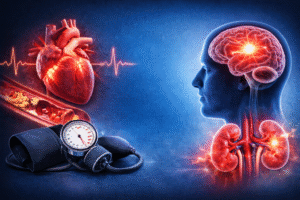
How High Blood Pressure Affects Your Heart, Brain, and Body
High blood pressure—also known as hypertension—is one of the most common and dangerous cardiovascular conditions worldwide. Often called the “silent killer,” high blood pressure may not cause noticeable symptoms for years while quietly damaging vital organs.
If left untreated, hypertension can significantly increase the risk of heart attack, stroke, kidney disease, and other life-threatening complications. Understanding how high blood pressure affects the body can help patients take early action to protect their long-term health.
What Is High Blood Pressure?
Blood pressure measures the force of blood pushing against artery walls. When this pressure remains consistently elevated, it places strain on blood vessels and organs throughout the body.
A normal blood pressure reading is generally considered below 120/80 mm Hg. Persistent readings above recommended levels may indicate hypertension and warrant medical evaluation.
How High Blood Pressure Affects the Heart
The heart is one of the primary organs affected by hypertension
1. Thickening of the Heart Muscle
High blood pressure forces the heart to work harder to pump blood. Over time, this increased workload causes the heart muscle—particularly the left ventricle—to thicken, a condition known as left ventricular hypertrophy. This thickening reduces efficiency and may lead to heart failure.
2. Coronary Artery Disease
Hypertension damages the lining of arteries, making them more susceptible to plaque buildup. This process narrows coronary arteries and increases the risk of chest pain (angina) and heart attack.
3. Congestive Heart Failure
When the heart becomes weakened or stiff from prolonged strain, it may lose its ability to pump blood effectively, leading to congestive heart failure.
4. Irregular Heart Rhythms
Structural changes caused by hypertension can increase the risk of arrhythmias such as atrial fibrillation.
How High Blood Pressure Affects the Brain
Hypertension is one of the leading risk factors for stroke and cognitive decline.
1. Stroke Risk
High blood pressure can cause arteries in the brain to narrow or rupture, leading to ischemic or hemorrhagic stroke.
2. Mini-Strokes (TIAs)
Transient ischemic attacks are temporary interruptions of blood flow to the brain and may signal future stroke risk.
3. Vascular Dementia
Chronic hypertension can damage small blood vessels in the brain, contributing to memory loss and cognitive decline.
How High Blood Pressure Affects the Kidneys
High blood pressure can constrict and narrow the blood vessels in your kidneys, which reduces blood flow and stops the kidneys from working well. When this happens, the kidneys are not able to remove all wastes and extra fluid from your body. Extra fluid in the blood vessels can raise your blood pressure even more, creating a dangerous cycle, and cause more damage leading to kidney failure.
- More than 1 in 7 adults in the US, or about 37 million people, may have chronic kidney disease (CKD)
- High blood pressure is the second leading cause of kidney failure in the US after diabetes
- Approximately 1 in 5 adults (20%) in the US with high blood pressure may have CKD
How High Blood Pressure Affects Blood Vessels
Persistent high pressure causes arteries to become stiff and narrowed. This process reduces circulation and increases the risk of:
- Peripheral artery disease
- Aortic aneurysm
- Erectile dysfunction
Poor wound healing
Symptoms of High Blood Pressure
Most people with hypertension do not experience symptoms. However, severely elevated blood pressure may cause:
- Headaches
- Blurred vision
- Chest discomfort
- Shortness of breath
- Nosebleeds
Because symptoms are often absent, routine blood pressure screening is critical.
Blood Pressure Categories

Risk Factors for High Blood Pressure
Several factors increase the likelihood of developing hypertension:
- Family history
- High sodium diet
- Obesity
- Physical inactivity
- Smoking
- Excess alcohol intake
- Diabetes
- Chronic stress
- Aging
How to Prevent and Manage High Blood Pressure
Managing hypertension requires a combination of lifestyle changes and, in some cases, medication therapy.
Follow a Heart-Healthy Diet
Patients are encouraged to:
- Reduce sodium intake
- Increase fruits and vegetables
- Choose whole grains
- Limit processed foods
- Incorporate lean proteins and healthy fats
At least 150 minutes of moderate aerobic exercise weekly can significantly lower blood pressure and improve cardiovascular health.
Maintain A Healthy Weight
Weight reduction can dramatically reduce blood pressure levels.
Chronic stress contributes to blood pressure elevation. Techniques such as meditation, deep breathing, and regular exercise may help.
Avoid Tobacco
Smoking damages blood vessels and accelerates hypertension-related complications.
Take Medications as Prescribed
For many patients, blood pressure medications are necessary to maintain safe levels and prevent organ damage.
The Importance of Preventative Cardiology
Preventative cardiology focuses on early detection and long-term management of cardiovascular risk factors like hypertension. Routine cardiovascular screening helps identify organ damage before symptoms develop.
Diagnostic testing may include:
- Echocardiography
- Stress testing
- Lipid panel testing
- Coronary calcium scoring
- Advanced cardiac imaging
Early intervention significantly reduces the risk of heart attack, stroke, and kidney disease.
High Blood Pressure Care in Tampa, Florida
Patients living in Tampa and surrounding communities—including South Tampa, Hyde Park, Davis Islands, Carrollwood, Westchase, Clearwater, and St. Petersburg—can benefit from comprehensive hypertension management and cardiovascular risk assessment.
At Ascent Cardiology, patients receive advanced blood pressure evaluation, heart imaging, and personalized treatment plans designed to reduce long-term cardiovascular risk and protect overall organ health.
When Should You See a Cardiologist?
You should consider cardiology evaluation if you:
- Have persistently elevated blood pressure
- Have family history of heart disease
- Experience chest discomfort or shortness of breath
- Have diabetes or high cholesterol
- Want comprehensive cardiovascular screening
- Early diagnosis improves long-term outcomes.
Schedule a Cardiovascular Evaluation
High blood pressure may not cause symptoms, but it can cause serious damage over time. Early detection and proper management are essential for protecting your heart, brain, and overall health.
Patients in Tampa Bay can schedule a consultation with Sachin Diwadkar, MD, FACC, FASE, at Ascent Cardiology for comprehensive hypertension management and preventative cardiology care.
The content, views, and opinions communicated on this website do not represent the views of Ascent Cardiology Group. Reliance on any information provided by this website is solely at your own risk. Although this website contains links to other medical websites, this is strictly for informational purposes. Ascent Cardiology Group is not responsible nor do they approve of the content featured on any third party linked websites referenced on this website.
How High Blood Pressure Affects Your Heart, Brain, and Body
High blood pressure—also known as hypertension—is one of the most common and dangerous cardiovascular conditions worldwide. Often called the “silent

Stress and Heart Disease: How to Protect and Improve Your Heart Health
Chronic stress is increasingly recognized as a major risk factor for cardiovascular disease. Many high-performing, Type A individuals juggle demanding
What Is Nuclear Cardiology? Tests, Benefits, and What Patients Should Know
Nuclear cardiology is a specialized field of cardiovascular medicine that uses safe, low-dose radioactive tracers combined with advanced imaging technology
Stress and Heart Disease: How to Protect and Improve Your Heart Health
Chronic stress is increasingly recognized as a major risk factor for cardiovascular disease. Many high-performing, Type A individuals juggle demanding careers, family responsibilities, and constant exposure to news and digital information. While productivity and ambition can be positive traits, prolonged stress without adequate recovery can significantly impact heart health.
When stress becomes chronic, it triggers hormonal and inflammatory responses that may increase blood pressure, raise cholesterol levels, promote weight gain, and elevate the risk of heart disease, heart attack, and stroke. Understanding how stress affects the cardiovascular system is essential for long-term wellness and prevention.
At Ascent Cardiology, our Tampa heart specialists help patients recognize how lifestyle factors—including stress—contribute to cardiovascular risk. Identifying stress-related heart health concerns early allows patients to take proactive steps toward prevention and treatment.
Below, we explain the connection between stress and heart disease, common warning signs of stress-related cardiovascular issues, and practical strategies to reduce stress and protect your heart. While modern life can be overwhelming, even small, sustainable lifestyle changes can significantly improve cardiovascular health and overall well-being.
If you are experiencing symptoms such as chest discomfort, palpitations, fatigue, elevated blood pressure, or shortness of breath, evaluation by a qualified Tampa cardiologist can help determine whether stress or underlying heart disease may be contributing.
Stress has a significant and well-documented impact on overall health, particularly cardiovascular health. When the body experiences stress, it activates the “fight-or-flight” response, releasing stress hormones such as adrenaline and cortisol. These hormones increase heart rate, raise blood pressure, and cause breathing to become faster in preparation for a perceived threat.
While this response is normal and protective in short-term situations, chronic stress places continuous strain on the cardiovascular system. Over time, prolonged exposure to stress hormones can contribute to high blood pressure, elevated cholesterol levels, inflammation, and an increased risk of developing heart disease.
Short-term symptoms of stress may include headaches, muscle tension, fatigue, and digestive discomfort. However, long-term or unmanaged stress is associated with serious cardiovascular complications, including coronary artery disease and increased risk of heart attack and stroke. At Ascent Cardiology, our Tampa cardiology specialists emphasize the importance of identifying and managing stress as part of comprehensive heart disease prevention. Understanding how chronic stress affects heart health allows patients to take proactive steps to reduce cardiovascular risk and improve long-term wellness. Consult a heart doctor in Tampa if you are concerned that you are at risk of having a heart attack.
Related: Identifying Women’s Heart Attack Symptoms
How individuals cope with stress can significantly influence their cardiovascular health. Unhealthy coping behaviors—such as smoking, excessive alcohol consumption, poor dietary habits, and physical inactivity—are commonly linked to chronic stress. Unfortunately, these behaviors are also well-established risk factors for high blood pressure, atherosclerosis (damage and narrowing of arteries), and heart disease.
Over time, these stress-related lifestyle habits can accelerate cardiovascular damage and increase the risk of heart attack, stroke, and other serious heart conditions. While these coping mechanisms may provide temporary relief from stress, they often worsen long-term heart health outcomes.
Preventing stress-related heart disease requires sustainable, heart-healthy stress management strategies. At Ascent Cardiology, our Tampa cardiology specialists encourage patients to adopt long-term lifestyle changes, including regular physical activity, balanced nutrition, adequate sleep, and healthy stress reduction techniques. Addressing stress proactively is an important step in protecting cardiovascular health and reducing future heart disease risk.
Managing stress is essential not only for heart health but also for overall physical and mental well-being. Chronic stress is strongly associated with increased cardiovascular risk, including high blood pressure, heart disease, and stroke. Fortunately, adopting healthy lifestyle habits can significantly reduce stress levels and support long-term heart health.
There are several proven tips to lower stress and improve cardiovascular wellness, including:
-
Engaging in regular physical activity, which helps lower blood pressure, improve circulation, and reduce stress hormones
-
Quitting smoking, which reduces damage to blood vessels and lowers heart disease risk
-
Limiting alcohol consumption, as excessive alcohol intake can raise blood pressure and strain the heart
-
Maintaining consistent, high-quality sleep, which supports cardiovascular and metabolic health
-
Following a heart-healthy diet, rich in fruits, vegetables, whole grains, lean proteins, and healthy fats
In addition to lifestyle changes, relaxation techniques such as yoga, meditation, mindfulness training, and controlled breathing exercises can help regulate the body’s stress response. For individuals experiencing chronic or severe stress, working with a qualified mental health professional can provide effective coping strategies and behavioral tools to improve stress management.
Because stress affects each person differently, it is important to identify stress reduction techniques that are sustainable and effective for your individual lifestyle and health goals.
Stress can often be reduced through relaxation techniques such as yoga, meditation, mindfulness practices, and controlled breathing exercises. These methods help regulate the body’s stress response, lower blood pressure, and support overall cardiovascular health.
For individuals experiencing chronic or severe stress, working with a qualified mental health professional can provide effective strategies to improve coping skills and help manage the body’s response to stress triggers.
Because stress affects each person differently, it is important to identify and maintain stress reduction techniques that are sustainable and effective for your individual lifestyle and health goals.
Related: 5 Reasons to Get a Cardiac CT
In addition to the above tips, you can help prevent heart disease by visiting a qualified heart doctor in Tampa. Visiting a heart doctor in Tampa allows for early detection of cardiovascular risk factors before they develop into serious health conditions.
A comprehensive cardiovascular evaluation may include blood testing, blood pressure monitoring, cholesterol screening, and personalized risk assessment. Based on these findings, a cardiologist can develop a customized prevention or treatment plan designed to improve long-term heart health and reduce cardiovascular risk.
If you are looking for proactive, long-term heart disease prevention, schedule a consultation with the experienced team at Ascent Cardiology. Our Tampa cardiovascular specialists provide advanced heart screening, preventative cardiology services, and individualized counseling designed to detect early warning signs and help patients reduce the lifestyle and stress-related factors that contribute to heart disease.
Early detection and prevention are key to protecting your heart and maintaining lifelong cardiovascular wellness.
To consult a Tampa heart specialist from Ascent Cardiology, please request an appointment today.
Medical Disclaimer
The content provided on the Ascent Cardiology website is intended for general educational and informational purposes only. The information, articles, and media presented on this website do not constitute medical advice, diagnosis, or treatment recommendations. Content published on this website is not intended to replace consultation, evaluation, or treatment by qualified healthcare professionals, including the providers at Ascent Cardiology or other licensed medical professionals.
If you believe you may be experiencing a medical emergency, call 911 or seek immediate emergency medical care.
The medical information, opinions, and educational materials presented on this website are provided for general awareness and may not reflect the specific clinical practices or medical opinions of Ascent Cardiology or its providers. Reliance on any information provided on this website is solely at your own risk.
This website may include links to third-party medical or educational websites for informational purposes only. Ascent Cardiology does not control, endorse, or assume responsibility for the accuracy, reliability, or content of any third-party websites linked from this site.
How High Blood Pressure Affects Your Heart, Brain, and Body
High blood pressure—also known as hypertension—is one of the most common and dangerous cardiovascular conditions worldwide. Often called the “silent
Stress and Heart Disease: How to Protect and Improve Your Heart Health
Chronic stress is increasingly recognized as a major risk factor for cardiovascular disease. Many high-performing, Type A individuals juggle demanding
What Is Nuclear Cardiology? Tests, Benefits, and What Patients Should Know
Nuclear cardiology is a specialized field of cardiovascular medicine that uses safe, low-dose radioactive tracers combined with advanced imaging technology
What Is Nuclear Cardiology? Tests, Benefits, and What Patients Should Know
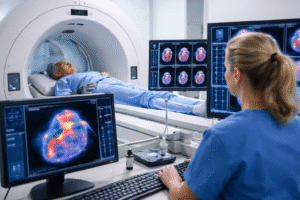
Nuclear cardiology is a specialized field of cardiovascular medicine that uses safe, low-dose radioactive tracers combined with advanced imaging technology to evaluate heart function, blood flow, and structural abnormalities. This advanced diagnostic approach helps cardiologists detect coronary artery disease, assess heart muscle damage, and evaluate overall cardiovascular performance with high accuracy.
Physicians who specialize in nuclear cardiology undergo extensive medical training. After completing undergraduate education, nuclear cardiologists attend medical school at a Liaison Committee on Medical Education (LCME)-accredited institution, followed by internal medicine residency training and a cardiovascular disease fellowship. Additional specialized training in nuclear cardiology is required before physicians can obtain certification through the Certification Board of Nuclear Cardiology (CBNC) and other recognized cardiovascular imaging credentialing organizations.
Nuclear cardiology plays an essential role in modern heart disease diagnosis and prevention. Common nuclear cardiology procedures, such as nuclear stress testing and myocardial perfusion imaging, allow cardiologists to measure blood flow to the heart muscle, evaluate heart function, and identify areas of reduced circulation that may increase the risk of heart attack or other cardiovascular complications.
In this article, we provide an overview of common nuclear cardiology tests and explain how these advanced imaging techniques help diagnose and monitor heart conditions.
If you are looking for a board-certified cardiologist in Tampa Bay specializing in advanced cardiac imaging, Sachin Diwadkar, MD, at Ascent Cardiology offers expert nuclear cardiology services. Dr. Diwadkar holds board certification in nuclear cardiology from both the Council for Certification in Cardiovascular Imaging (CCCVI) and the Certification Board of Nuclear Cardiology (CBNC), providing patients with comprehensive, high-quality cardiovascular diagnostic care.
Myocardial perfusion imaging (MPI), commonly known as a nuclear stress test, is one of the most frequently performed nuclear cardiology procedures used to evaluate blood flow to the heart muscle and assess overall cardiac function. This advanced heart imaging test helps cardiologists diagnose coronary artery disease, identify areas of reduced circulation, and evaluate heart muscle damage following a heart attack.
A nuclear stress test is designed to show how effectively blood flows through the heart during both rest and physical or medication-induced stress. MPI is often recommended for patients experiencing symptoms such as chest pain, shortness of breath, or unexplained fatigue, as well as for patients with known heart disease or elevated cardiovascular risk.
During myocardial perfusion imaging, a small amount of a safe radioactive imaging agent, known as a radioactive tracer, is injected into the bloodstream through an intravenous (IV) line. The tracer allows specialized imaging equipment to capture detailed images of blood flow to different areas of the heart muscle.
The test typically involves two phases:
Resting Scan: Images are taken while the heart is at rest to evaluate baseline blood flow.
Stress Scan: Images are taken after the heart is stressed either through exercise or medication.
Stress can be achieved through physical exercise, such as walking on a treadmill or riding a stationary bicycle. For patients who are unable to exercise, medications such as adenosine or dipyridamole may be used to simulate the effects of exercise by increasing blood flow to the heart.
By comparing images taken during rest and stress, cardiologists can determine which areas of the heart muscle are receiving adequate blood flow. Healthy heart muscle typically absorbs the tracer normally, while areas with reduced tracer uptake may indicate blocked or narrowed coronary arteries, scar tissue from prior heart damage, or areas at increased risk for heart attack.
Myocardial perfusion imaging is a valuable diagnostic tool that helps guide treatment decisions, determine the need for further testing or intervention, and monitor the effectiveness of cardiovascular therapies.
Single-photon emission computed tomography (SPECT) is an advanced nuclear cardiology imaging test used to diagnose and evaluate coronary artery disease and cardiac ischemia (reduced blood flow to the heart muscle). SPECT imaging is commonly performed as part of a nuclear stress test and helps cardiologists assess how well blood is circulating through the heart during rest and stress conditions.
Similar to myocardial perfusion imaging (MPI), the SPECT test begins with the injection of a small amount of a safe radioactive tracer into the bloodstream. This tracer emits gamma rays that are detected by specialized imaging equipment, including a gamma camera and, in many cases, an integrated CT scanner. These technologies work together to produce detailed, three-dimensional images that allow cardiologists to evaluate blood flow patterns and heart muscle function.
SPECT imaging helps identify areas of the heart receiving adequate blood supply, as well as areas affected by blocked or narrowed coronary arteries, scar tissue from prior heart attacks, or regions at risk for future cardiac events.
Cardiac positron emission tomography combined with computed tomography (PET-CT) is another highly advanced nuclear cardiology imaging technique that provides additional diagnostic information beyond traditional SPECT imaging. PET-CT allows cardiologists to obtain highly detailed images of coronary artery structure, measure coronary calcium buildup, and evaluate blood flow to the heart muscle with exceptional accuracy.
PET-CT imaging offers several advantages, including improved image clarity, enhanced detection of coronary artery disease, and precise measurement of myocardial blood flow. These capabilities help cardiologists determine whether patients may benefit from additional procedures such as coronary angiography, stent placement, or other cardiovascular interventions.
Both SPECT and PET-CT imaging are highly effective tools for diagnosing coronary artery disease, evaluating blood supply to damaged areas of the heart, and guiding personalized treatment plans designed to improve long-term cardiovascular outcomes.
What do nuclear cardiology procedures have in common? These advanced diagnostic tests are minimally invasive, highly accurate, and essential tools for the early detection and prevention of heart disease. Nuclear cardiology imaging techniques, including nuclear stress testing, SPECT imaging, and PET-CT cardiac scans, help cardiologists evaluate blood flow to the heart muscle, assess heart function, and identify areas of previous or ongoing heart damage.
Determining how well your heart performs under stress through nuclear stress testing is an important step in diagnosing coronary artery disease and developing an effective, personalized treatment plan. These advanced imaging tests allow cardiologists to detect cardiovascular problems early, often before symptoms become severe, improving long-term heart health outcomes. That’s why, it’s time to consult with a board-certified cardiologist in Tampa, FL, equipped with years of experience in nuclear cardiology.
Patients seeking advanced nuclear cardiology testing and preventative heart care in Tampa, Florida, can trust the experience and expertise of Sachin Diwadkar, MD, at Ascent Cardiology. Dr. Diwadkar is board certified in nuclear cardiology and has extensive experience using advanced cardiac imaging techniques to diagnose and manage coronary artery disease and other cardiovascular conditions.
To consult a cardiologist in Tampa, FL, from Ascent Cardiology, please request an appointment today.
Medical Disclaimer
The content provided on the Ascent Cardiology website is intended for general educational and informational purposes only. The information, articles, and media presented on this website do not constitute medical advice, diagnosis, or treatment recommendations. Content published on this website is not intended to replace consultation, evaluation, or treatment by qualified healthcare professionals, including the providers at Ascent Cardiology or other licensed medical professionals.
If you believe you may be experiencing a medical emergency, call 911 or seek immediate emergency medical care.
The medical information, opinions, and educational materials presented on this website are provided for general awareness and may not reflect the specific clinical practices or medical opinions of Ascent Cardiology or its providers. Reliance on any information provided on this website is solely at your own risk.
This website may include links to third-party medical or educational websites for informational purposes only. Ascent Cardiology does not control, endorse, or assume responsibility for the accuracy, reliability, or content of any third-party websites linked from this site.
How High Blood Pressure Affects Your Heart, Brain, and Body
High blood pressure—also known as hypertension—is one of the most common and dangerous cardiovascular conditions worldwide. Often called the “silent
Stress and Heart Disease: How to Protect and Improve Your Heart Health
Chronic stress is increasingly recognized as a major risk factor for cardiovascular disease. Many high-performing, Type A individuals juggle demanding
What Is Nuclear Cardiology? Tests, Benefits, and What Patients Should Know
Nuclear cardiology is a specialized field of cardiovascular medicine that uses safe, low-dose radioactive tracers combined with advanced imaging technology
Coronary Heart Disease: Symptoms, Causes, and Treatment Options
Coronary heart disease (CHD) is the most common form of heart disease and one of the leading causes of death worldwide. This condition occurs when the coronary arteries become narrowed or blocked, reducing blood flow to the heart muscle and increasing the risk of heart attack and other serious cardiovascular complications. Because coronary heart disease is both common and potentially life-threatening, understanding its causes, symptoms, and treatment options is essential for early detection and prevention.
Because the first sign of coronary heart disease can sometimes be a heart attack, early evaluation and preventative cardiac care with a heart doctor in Tampa Bay is essential. Patients living in Tampa Bay and surrounding communities can benefit from early cardiovascular screening and risk assessment to detect coronary artery disease before serious complications occur.
In this article, we explain what makes coronary heart disease different from other types of cardiovascular disease, how it develops, and the treatment options available for patients at various stages of the condition. Learning to recognize risk factors and warning signs can help patients take proactive steps to protect long-term heart health and reduce the risk of serious cardiac events.
What Is Coronary Heart Disease?
Coronary heart disease (CHD)—also known as coronary artery disease (CAD) or ischemic heart disease—is one of the most common cardiovascular conditions affecting adults. This disease develops when plaque builds up inside the coronary arteries, which supply oxygen-rich blood to the heart muscle. Over time, the accumulation of fat, cholesterol, calcium, and other substances causes the arteries to narrow or become blocked, restricting blood flow to and from the heart. This process, known as atherosclerosis, often develops gradually over many years or even decades.
Common symptoms of coronary heart disease include chest pain (angina) and shortness of breath. Chest discomfort typically occurs when the heart muscle does not receive enough oxygen-rich blood. Shortness of breath may develop when reduced blood flow affects the heart’s ability to pump efficiently and deliver oxygen throughout the body. However, many individuals with coronary artery disease experience few or no symptoms until a significant blockage or blood clot leads to a heart attack.
Because coronary heart disease can develop silently, early cardiovascular screening and risk assessment are critical. Individuals living in Tampa Bay and surrounding communities who have risk factors such as high blood pressure, high cholesterol, diabetes, smoking history, obesity, or a family history of heart disease should consider evaluation by a qualified cardiologist.
At Ascent Cardiology in Tampa, patients receive comprehensive coronary artery disease screening, advanced cardiac imaging, and personalized treatment plans designed to detect heart disease early and reduce long-term cardiovascular risk. Consulting a heart doctor in Tampa Bay allows patients to better understand their individual risk factors and take proactive steps to protect their heart health.
Related: The Dangers of High Cholesterol
What Are the Treatment Options for Coronary Heart Disease?
Treatment for coronary heart disease (CHD) depends on the severity of the condition, the extent of artery blockage, and a patient’s overall cardiovascular risk. Early diagnosis allows many patients to successfully manage or prevent disease progression through lifestyle changes and preventative cardiology care. Patients with more advanced coronary artery disease may require medications or specialized cardiac procedures to restore blood flow and improve heart function.
Related: 5 Reasons to Get a Cardiac CT
Lifestyle Changes for Early Coronary Heart Disease
Patients in the early stages of coronary heart disease—or those seeking prevention—may benefit from heart-healthy lifestyle modifications, including:
-
Smoking cessation
-
Maintaining a heart-healthy diet
-
Regular physical activity
-
Weight management
-
Blood pressure and cholesterol control
-
Stress management and improved sleep habits
These lifestyle changes can significantly reduce cardiovascular risk and slow plaque buildup in coronary arteries.
Medications for Coronary Artery Disease
For patients with established coronary heart disease, cardiologists may prescribe medications to improve heart function and reduce the risk of heart attack or stroke. Common medication therapies may include:
-
Cholesterol-lowering medications
-
Blood pressure medications
-
Antiplatelet medications to reduce clot formation
-
Anti-anginal medications to improve blood flow to the heart muscle
Advanced Cardiac Procedures
Modern interventional cardiology techniques allow many coronary artery disease treatments to be performed using minimally invasive procedures. These treatments help restore blood flow, relieve symptoms, and improve long-term heart health outcomes.
At Ascent Cardiology in Tampa, interventional cardiology specialists perform advanced diagnostic and treatment procedures, including cardiac catheterization, which allows physicians to evaluate coronary arteries, diagnose heart conditions, and perform therapeutic interventions when necessary.
Non-invasive diagnostic testing is also available, including echocardiography and cardiac stress testing, which help evaluate heart structure, function, and blood flow without requiring surgery.
When to See a Tampa Cardiologist
Although numerous diagnostic and treatment options are available for coronary heart disease, early evaluation is essential for the best outcomes. Individuals experiencing chest discomfort, shortness of breath, fatigue, or other concerning cardiac symptoms should consider evaluation by a qualified heart specialist.
Patients seeking comprehensive coronary artery disease evaluation and treatment in the Tampa Bay area can schedule a consultation with Sachin Diwadkar, M.D., FACC, FASE, the best heart doctor in Tampa Bay. Personalized cardiovascular screening and treatment planning can help patients better understand their heart health and take proactive steps to reduce long-term cardiovascular risk.
To consult the best heart doctor in Tampa Bay from Ascent Cardiology, please request an appointment today.
Medical Disclaimer
The content provided on the Ascent Cardiology website is intended for general educational and informational purposes only. The information, articles, and media presented on this website do not constitute medical advice, diagnosis, or treatment recommendations. Content published on this website is not intended to replace consultation, evaluation, or treatment by qualified healthcare professionals, including the providers at Ascent Cardiology or other licensed medical professionals.
If you believe you may be experiencing a medical emergency, call 911 or seek immediate emergency medical care.
The medical information, opinions, and educational materials presented on this website are provided for general awareness and may not reflect the specific clinical practices or medical opinions of Ascent Cardiology or its providers. Reliance on any information provided on this website is solely at your own risk.
This website may include links to third-party medical or educational websites for informational purposes only. Ascent Cardiology does not control, endorse, or assume responsibility for the accuracy, reliability, or content of any third-party websites linked from this site.
How High Blood Pressure Affects Your Heart, Brain, and Body
High blood pressure—also known as hypertension—is one of the most common and dangerous cardiovascular conditions worldwide. Often called the “silent
Stress and Heart Disease: How to Protect and Improve Your Heart Health
Chronic stress is increasingly recognized as a major risk factor for cardiovascular disease. Many high-performing, Type A individuals juggle demanding
What Is Nuclear Cardiology? Tests, Benefits, and What Patients Should Know
Nuclear cardiology is a specialized field of cardiovascular medicine that uses safe, low-dose radioactive tracers combined with advanced imaging technology