How High Blood Pressure Affects Your Heart, Brain, and Body
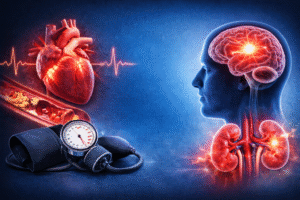
High blood pressure—also known as hypertension—is one of the most common and dangerous cardiovascular conditions worldwide. Often called the “silent killer,” high blood pressure may not cause noticeable symptoms for years while quietly damaging vital organs.
If left untreated, hypertension can significantly increase the risk of heart attack, stroke, kidney disease, and other life-threatening complications. Understanding how high blood pressure affects the body can help patients take early action to protect their long-term health.
What Is High Blood Pressure?
Blood pressure measures the force of blood pushing against artery walls. When this pressure remains consistently elevated, it places strain on blood vessels and organs throughout the body.
A normal blood pressure reading is generally considered below 120/80 mm Hg. Persistent readings above recommended levels may indicate hypertension and warrant medical evaluation.
How High Blood Pressure Affects the Heart
The heart is one of the primary organs affected by hypertension
1. Thickening of the Heart Muscle
High blood pressure forces the heart to work harder to pump blood. Over time, this increased workload causes the heart muscle—particularly the left ventricle—to thicken, a condition known as left ventricular hypertrophy. This thickening reduces efficiency and may lead to heart failure.
2. Coronary Artery Disease
Hypertension damages the lining of arteries, making them more susceptible to plaque buildup. This process narrows coronary arteries and increases the risk of chest pain (angina) and heart attack.
3. Congestive Heart Failure
When the heart becomes weakened or stiff from prolonged strain, it may lose its ability to pump blood effectively, leading to congestive heart failure.
4. Irregular Heart Rhythms
Structural changes caused by hypertension can increase the risk of arrhythmias such as atrial fibrillation.
How High Blood Pressure Affects the Brain
Hypertension is one of the leading risk factors for stroke and cognitive decline.
1. Stroke Risk
High blood pressure can cause arteries in the brain to narrow or rupture, leading to ischemic or hemorrhagic stroke.
2. Mini-Strokes (TIAs)
Transient ischemic attacks are temporary interruptions of blood flow to the brain and may signal future stroke risk.
3. Vascular Dementia
Chronic hypertension can damage small blood vessels in the brain, contributing to memory loss and cognitive decline.
How High Blood Pressure Affects the Kidneys
High blood pressure can constrict and narrow the blood vessels in your kidneys, which reduces blood flow and stops the kidneys from working well. When this happens, the kidneys are not able to remove all wastes and extra fluid from your body. Extra fluid in the blood vessels can raise your blood pressure even more, creating a dangerous cycle, and cause more damage leading to kidney failure.
- More than 1 in 7 adults in the US, or about 37 million people, may have chronic kidney disease (CKD)
- High blood pressure is the second leading cause of kidney failure in the US after diabetes
- Approximately 1 in 5 adults (20%) in the US with high blood pressure may have CKD
How High Blood Pressure Affects Blood Vessels
Persistent high pressure causes arteries to become stiff and narrowed. This process reduces circulation and increases the risk of:
- Peripheral artery disease
- Aortic aneurysm
- Erectile dysfunction
Poor wound healing
Symptoms of High Blood Pressure
Most people with hypertension do not experience symptoms. However, severely elevated blood pressure may cause:
- Headaches
- Blurred vision
- Chest discomfort
- Shortness of breath
- Nosebleeds
Because symptoms are often absent, routine blood pressure screening is critical.
Blood Pressure Categories

Risk Factors for High Blood Pressure
Several factors increase the likelihood of developing hypertension:
- Family history
- High sodium diet
- Obesity
- Physical inactivity
- Smoking
- Excess alcohol intake
- Diabetes
- Chronic stress
- Aging
How to Prevent and Manage High Blood Pressure
Managing hypertension requires a combination of lifestyle changes and, in some cases, medication therapy.
Follow a Heart-Healthy Diet
Patients are encouraged to:
- Reduce sodium intake
- Increase fruits and vegetables
- Choose whole grains
- Limit processed foods
- Incorporate lean proteins and healthy fats
At least 150 minutes of moderate aerobic exercise weekly can significantly lower blood pressure and improve cardiovascular health.
Maintain A Healthy Weight
Weight reduction can dramatically reduce blood pressure levels.
Chronic stress contributes to blood pressure elevation. Techniques such as meditation, deep breathing, and regular exercise may help.
Avoid Tobacco
Smoking damages blood vessels and accelerates hypertension-related complications.
Take Medications as Prescribed
For many patients, blood pressure medications are necessary to maintain safe levels and prevent organ damage.
The Importance of Preventative Cardiology
Preventative cardiology focuses on early detection and long-term management of cardiovascular risk factors like hypertension. Routine cardiovascular screening helps identify organ damage before symptoms develop.
Diagnostic testing may include:
- Echocardiography
- Stress testing
- Lipid panel testing
- Coronary calcium scoring
- Advanced cardiac imaging
Early intervention significantly reduces the risk of heart attack, stroke, and kidney disease.
High Blood Pressure Care in Tampa, Florida
Patients living in Tampa and surrounding communities—including South Tampa, Hyde Park, Davis Islands, Carrollwood, Westchase, Clearwater, and St. Petersburg—can benefit from comprehensive hypertension management and cardiovascular risk assessment.
At Ascent Cardiology, patients receive advanced blood pressure evaluation, heart imaging, and personalized treatment plans designed to reduce long-term cardiovascular risk and protect overall organ health.
When Should You See a Cardiologist?
You should consider cardiology evaluation if you:
- Have persistently elevated blood pressure
- Have family history of heart disease
- Experience chest discomfort or shortness of breath
- Have diabetes or high cholesterol
- Want comprehensive cardiovascular screening
- Early diagnosis improves long-term outcomes.
Schedule a Cardiovascular Evaluation
High blood pressure may not cause symptoms, but it can cause serious damage over time. Early detection and proper management are essential for protecting your heart, brain, and overall health.
Patients in Tampa Bay can schedule a consultation with Sachin Diwadkar, MD, FACC, FASE, at Ascent Cardiology for comprehensive hypertension management and preventative cardiology care.
The content, views, and opinions communicated on this website do not represent the views of Ascent Cardiology Group. Reliance on any information provided by this website is solely at your own risk. Although this website contains links to other medical websites, this is strictly for informational purposes. Ascent Cardiology Group is not responsible nor do they approve of the content featured on any third party linked websites referenced on this website.
How High Blood Pressure Affects Your Heart, Brain, and Body
High blood pressure—also known as hypertension—is one of the most common and dangerous cardiovascular conditions worldwide. Often called the “silent

Stress and Heart Disease: How to Protect and Improve Your Heart Health
Chronic stress is increasingly recognized as a major risk factor for cardiovascular disease. Many high-performing, Type A individuals juggle demanding
What Is Nuclear Cardiology? Tests, Benefits, and What Patients Should Know
Nuclear cardiology is a specialized field of cardiovascular medicine that uses safe, low-dose radioactive tracers combined with advanced imaging technology