Stress and Heart Disease: How to Protect and Improve Your Heart Health
Chronic stress is increasingly recognized as a major risk factor for cardiovascular disease. Many high-performing, Type A individuals juggle demanding careers, family responsibilities, and constant exposure to news and digital information. While productivity and ambition can be positive traits, prolonged stress without adequate recovery can significantly impact heart health.
When stress becomes chronic, it triggers hormonal and inflammatory responses that may increase blood pressure, raise cholesterol levels, promote weight gain, and elevate the risk of heart disease, heart attack, and stroke. Understanding how stress affects the cardiovascular system is essential for long-term wellness and prevention.
At Ascent Cardiology, our Tampa heart specialists help patients recognize how lifestyle factors—including stress—contribute to cardiovascular risk. Identifying stress-related heart health concerns early allows patients to take proactive steps toward prevention and treatment.
Below, we explain the connection between stress and heart disease, common warning signs of stress-related cardiovascular issues, and practical strategies to reduce stress and protect your heart. While modern life can be overwhelming, even small, sustainable lifestyle changes can significantly improve cardiovascular health and overall well-being.
If you are experiencing symptoms such as chest discomfort, palpitations, fatigue, elevated blood pressure, or shortness of breath, evaluation by a qualified Tampa cardiologist can help determine whether stress or underlying heart disease may be contributing.
Stress has a significant and well-documented impact on overall health, particularly cardiovascular health. When the body experiences stress, it activates the “fight-or-flight” response, releasing stress hormones such as adrenaline and cortisol. These hormones increase heart rate, raise blood pressure, and cause breathing to become faster in preparation for a perceived threat.
While this response is normal and protective in short-term situations, chronic stress places continuous strain on the cardiovascular system. Over time, prolonged exposure to stress hormones can contribute to high blood pressure, elevated cholesterol levels, inflammation, and an increased risk of developing heart disease.
Short-term symptoms of stress may include headaches, muscle tension, fatigue, and digestive discomfort. However, long-term or unmanaged stress is associated with serious cardiovascular complications, including coronary artery disease and increased risk of heart attack and stroke. At Ascent Cardiology, our Tampa cardiology specialists emphasize the importance of identifying and managing stress as part of comprehensive heart disease prevention. Understanding how chronic stress affects heart health allows patients to take proactive steps to reduce cardiovascular risk and improve long-term wellness. Consult a heart doctor in Tampa if you are concerned that you are at risk of having a heart attack.
Related: Identifying Women’s Heart Attack Symptoms
How individuals cope with stress can significantly influence their cardiovascular health. Unhealthy coping behaviors—such as smoking, excessive alcohol consumption, poor dietary habits, and physical inactivity—are commonly linked to chronic stress. Unfortunately, these behaviors are also well-established risk factors for high blood pressure, atherosclerosis (damage and narrowing of arteries), and heart disease.
Over time, these stress-related lifestyle habits can accelerate cardiovascular damage and increase the risk of heart attack, stroke, and other serious heart conditions. While these coping mechanisms may provide temporary relief from stress, they often worsen long-term heart health outcomes.
Preventing stress-related heart disease requires sustainable, heart-healthy stress management strategies. At Ascent Cardiology, our Tampa cardiology specialists encourage patients to adopt long-term lifestyle changes, including regular physical activity, balanced nutrition, adequate sleep, and healthy stress reduction techniques. Addressing stress proactively is an important step in protecting cardiovascular health and reducing future heart disease risk.
Managing stress is essential not only for heart health but also for overall physical and mental well-being. Chronic stress is strongly associated with increased cardiovascular risk, including high blood pressure, heart disease, and stroke. Fortunately, adopting healthy lifestyle habits can significantly reduce stress levels and support long-term heart health.
There are several proven tips to lower stress and improve cardiovascular wellness, including:
-
Engaging in regular physical activity, which helps lower blood pressure, improve circulation, and reduce stress hormones
-
Quitting smoking, which reduces damage to blood vessels and lowers heart disease risk
-
Limiting alcohol consumption, as excessive alcohol intake can raise blood pressure and strain the heart
-
Maintaining consistent, high-quality sleep, which supports cardiovascular and metabolic health
-
Following a heart-healthy diet, rich in fruits, vegetables, whole grains, lean proteins, and healthy fats
In addition to lifestyle changes, relaxation techniques such as yoga, meditation, mindfulness training, and controlled breathing exercises can help regulate the body’s stress response. For individuals experiencing chronic or severe stress, working with a qualified mental health professional can provide effective coping strategies and behavioral tools to improve stress management.
Because stress affects each person differently, it is important to identify stress reduction techniques that are sustainable and effective for your individual lifestyle and health goals.
Stress can often be reduced through relaxation techniques such as yoga, meditation, mindfulness practices, and controlled breathing exercises. These methods help regulate the body’s stress response, lower blood pressure, and support overall cardiovascular health.
For individuals experiencing chronic or severe stress, working with a qualified mental health professional can provide effective strategies to improve coping skills and help manage the body’s response to stress triggers.
Because stress affects each person differently, it is important to identify and maintain stress reduction techniques that are sustainable and effective for your individual lifestyle and health goals.
Related: 5 Reasons to Get a Cardiac CT
In addition to the above tips, you can help prevent heart disease by visiting a qualified heart doctor in Tampa. Visiting a heart doctor in Tampa allows for early detection of cardiovascular risk factors before they develop into serious health conditions.
A comprehensive cardiovascular evaluation may include blood testing, blood pressure monitoring, cholesterol screening, and personalized risk assessment. Based on these findings, a cardiologist can develop a customized prevention or treatment plan designed to improve long-term heart health and reduce cardiovascular risk.
If you are looking for proactive, long-term heart disease prevention, schedule a consultation with the experienced team at Ascent Cardiology. Our Tampa cardiovascular specialists provide advanced heart screening, preventative cardiology services, and individualized counseling designed to detect early warning signs and help patients reduce the lifestyle and stress-related factors that contribute to heart disease.
Early detection and prevention are key to protecting your heart and maintaining lifelong cardiovascular wellness.
To consult a Tampa heart specialist from Ascent Cardiology, please request an appointment today.
Medical Disclaimer
The content provided on the Ascent Cardiology website is intended for general educational and informational purposes only. The information, articles, and media presented on this website do not constitute medical advice, diagnosis, or treatment recommendations. Content published on this website is not intended to replace consultation, evaluation, or treatment by qualified healthcare professionals, including the providers at Ascent Cardiology or other licensed medical professionals.
If you believe you may be experiencing a medical emergency, call 911 or seek immediate emergency medical care.
The medical information, opinions, and educational materials presented on this website are provided for general awareness and may not reflect the specific clinical practices or medical opinions of Ascent Cardiology or its providers. Reliance on any information provided on this website is solely at your own risk.
This website may include links to third-party medical or educational websites for informational purposes only. Ascent Cardiology does not control, endorse, or assume responsibility for the accuracy, reliability, or content of any third-party websites linked from this site.
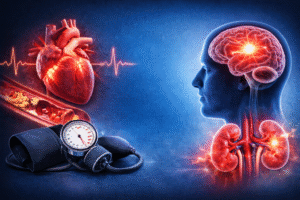
How High Blood Pressure Affects Your Heart, Brain, and Body
High blood pressure—also known as hypertension—is one of the most common and dangerous cardiovascular conditions worldwide. Often called the “silent

Stress and Heart Disease: How to Protect and Improve Your Heart Health
Chronic stress is increasingly recognized as a major risk factor for cardiovascular disease. Many high-performing, Type A individuals juggle demanding

What Is Nuclear Cardiology? Tests, Benefits, and What Patients Should Know
Nuclear cardiology is a specialized field of cardiovascular medicine that uses safe, low-dose radioactive tracers combined with advanced imaging technology