Preventative Cardiology: How to Prevent Heart Disease and Protect Heart Health
What is Preventative Cardiology?
Preventative cardiology is a specialized area of cardiovascular medicine focused on reducing the risk of heart disease through early detection, risk assessment, and personalized treatment strategies. Rather than waiting until symptoms occur, preventative cardiology aims to identify cardiovascular risk factors and implement early interventions.
Preventative cardiology typically involves:
- Comprehensive cardiovascular risk assessments
- Heart health screening and advanced cardiac imaging
- Lifestyle counseling and wellness planning
- Medication management when appropriate
- Long-term monitoring and prevention strategies
Why Is Preventative Cardiology Important?
Many cardiovascular diseases develop gradually over time. Plaque buildup in coronary arteries, high blood pressure, and cholesterol abnormalities may progress silently for years before symptoms appear.
Preventative cardiology helps patients:
- Detect heart disease at early stages
- Reduce the risk of heart attack and stroke
- Improve overall cardiovascular health
- Prevent disease progression
- Enhance longevity and quality of life
Early cardiovascular screening is especially important for individuals with family history of heart disease or multiple cardiovascular risk factors.
Common Risk Factors for Heart Disease
Understanding cardiovascular risk factors is essential in preventative cardiology. Some of the most common risk factors include:
- High blood pressure
- High cholesterol
- Diabetes
- Obesity
- Sedentary lifestyle
- Smoking and tobacco use
- Family history of heart disease
Preventative Cardiology Screening and Diagnostic Testing
Cardiologists evaluate medical history, family history, lifestyle habits, blood pressure, cholesterol levels, and metabolic markers to determine cardiovascular risk. Further stratification can be pursued using advanced diagnostic tools to evaluate cardiovascular risk and detect early signs of heart disease.
- Coronary Calcium Scoring: Coronary calcium scoring uses cardiac CT imaging to detect plaque buildup in coronary arteries. This test helps estimate the risk of future heart attacks.
- Cardiac CT Imaging: Cardiac CT scans provide detailed imaging of coronary arteries, allowing early detection of coronary artery disease.
- Echocardiography: Ultrasound imaging evaluates heart structure, valve function, and pumping efficiency.
- Stress Testing: Stress testing evaluates blood flow to the heart during physical activity or medication-induced stress.
Lifestyle Changes in Preventative Cardiology
Heart-Healthy Diet
A balanced diet rich in fruits, vegetables, whole grains, lean proteins, and healthy fats supports cardiovascular wellness.
Patients are encouraged to:
- Limit saturated fats and trans fats
- Reduce sodium intake
- Limit processed foods and sugar-sweetened beverages
- Increase fiber and omega-3 fatty acid intake
Regular Physical Activity
Exercise helps improve circulation, lower blood pressure, reduce cholesterol levels, and support healthy weight management.
Health experts recommend:
- 150 minutes of moderate exercise weekly
- 75 minutes of vigorous exercise weekly
- Strength training and flexibility exercises
Weight Management
Maintaining a healthy body weight reduces cardiovascular strain and lowers the risk of metabolic disease.
Smoking Cessation
Stopping tobacco use significantly reduces cardiovascular risk and improves blood vessel function.
Stress Management
Chronic stress contributes to inflammation and increased cardiovascular risk. Mindfulness techniques, exercise, and relaxation strategies can improve heart health.
Medication Management in Preventative Cardiology
When lifestyle modifications alone are insufficient, cardiologists may prescribe medications to reduce cardiovascular risk. These may include:
- Cholesterol-lowering medications
- Blood pressure medications
- Antiplatelet medications
- Diabetes management therapies
Medication therapy is individualized based on each patient’s risk profile and overall health status.
Who Should Consider Preventative Cardiology?
Preventative cardiology may benefit individuals who:
- Have family history of heart disease
- Have high blood pressure or cholesterol
- Have diabetes or metabolic syndrome
- Are overweight or physically inactive
- Smoke or have history of tobacco use
- Want comprehensive cardiovascular screening
- Have early symptoms such as chest discomfort or shortness of breath
Preventative Cardiology Services in Tampa, Florida
Individuals living in Tampa and surrounding communities—including South Tampa, Hyde Park, Davis Islands, Carrollwood, Westchase, Clearwater, and St. Petersburg—can benefit from advanced preventative cardiology care.
At Ascent Cardiology, patients receive comprehensive cardiovascular screening, advanced imaging, and personalized prevention strategies designed to reduce long-term heart disease risk. Preventative cardiology services help patients identify cardiovascular risk factors early and develop individualized treatment plans that promote lifelong heart health.
Benefits of Early Heart Disease Prevention
Preventative cardiology offers numerous long-term benefits, including:
- Reduced risk of heart attack and stroke
- Improved blood pressure and cholesterol control
- Better physical and cognitive health outcomes
- Reduced healthcare costs through early detection
- Improved overall quality of life
Schedule a Preventative Cardiology Consultation
Heart disease prevention begins with early screening and proactive cardiovascular care. Individuals with cardiovascular risk factors or concerns about heart health should consider scheduling a preventative cardiology evaluation.
Patients in Tampa Bay can schedule a consultation with our cardiologists at Ascent Cardiology to receive comprehensive cardiovascular risk assessment and personalized heart disease prevention strategies.
To consult a cardiologist in Tampa Bay with Ascent Cardiology, please request an appointment today.
Medical Disclaimer
The content provided on the Ascent Cardiology website is intended for general educational and informational purposes only. The information, articles, and media presented on this website do not constitute medical advice, diagnosis, or treatment recommendations. Content published on this website is not intended to replace consultation, evaluation, or treatment by qualified healthcare professionals, including the providers at Ascent Cardiology or other licensed medical professionals.
If you believe you may be experiencing a medical emergency, call 911 or seek immediate emergency medical care.
The medical information, opinions, and educational materials presented on this website are provided for general awareness and may not reflect the specific clinical practices or medical opinions of Ascent Cardiology or its providers. Reliance on any information provided on this website is solely at your own risk.
This website may include links to third-party medical or educational websites for informational purposes only. Ascent Cardiology does not control, endorse, or assume responsibility for the accuracy, reliability, or content of any third-party websites linked from this site.
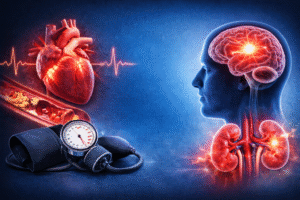
How High Blood Pressure Affects Your Heart, Brain, and Body
High blood pressure—also known as hypertension—is one of the most common and dangerous cardiovascular conditions worldwide. Often called the “silent

Stress and Heart Disease: How to Protect and Improve Your Heart Health
Chronic stress is increasingly recognized as a major risk factor for cardiovascular disease. Many high-performing, Type A individuals juggle demanding
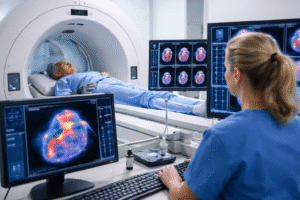
What Is Nuclear Cardiology? Tests, Benefits, and What Patients Should Know
Nuclear cardiology is a specialized field of cardiovascular medicine that uses safe, low-dose radioactive tracers combined with advanced imaging technology