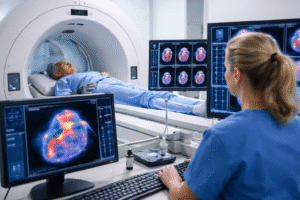
Congestive Heart Failure Symptoms: Warning Signs and When to Seek Care
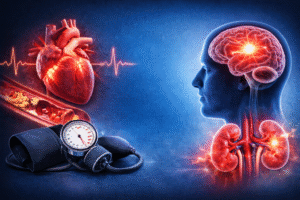
Congestive Heart Failure Symptoms: Warning Signs and When to Seek Care

Congestive heart failure (CHF) is a chronic condition that affects millions of people and occurs when the heart is unable to pump blood efficiently enough to meet the body’s needs. Although heart failure is a serious medical condition, early detection and proper treatment can significantly improve quality of life and reduce the risk of complications.

Understanding the warning signs of congestive heart failure can help patients seek medical care early and prevent disease progression.

Common Symptoms of Congestive Heart Failure

The symptoms of congestive heart failure can vary depending on the severity of the condition and which part of the heart is affected. Symptoms often develop gradually but may worsen suddenly in advanced stages.

Shortness of Breath

Shortness of breath is one of the most common symptoms of heart failure. Patients may notice difficulty breathing during physical activity, while lying flat, or during sleep. Fluid buildup in the lungs can make breathing more difficult and may cause nighttime coughing or wheezing.

Fatigue and Weakness

Reduced blood flow caused by heart failure can limit oxygen delivery to muscles and organs, resulting in persistent fatigue and decreased exercise tolerance.

Swelling in Legs, Ankles, or Abdomen

Fluid retention, also known as edema, frequently occurs in heart failure. Patients may notice swelling in the lower extremities or abdominal bloating due to fluid accumulation.

Rapid or Irregular Heartbeat

The heart may attempt to compensate for reduced pumping ability by beating faster or irregularly. Some patients experience palpitations or fluttering sensations in the chest.

Persistent Cough or Wheezing

Fluid accumulation in the lungs may cause chronic coughing, wheezing, or production of white or pink-tinged mucus.

Sudden Weight Gain

Rapid weight gain caused by fluid retention may indicate worsening heart failure and should be evaluated by a healthcare provider.

Reduced Ability to Exercise

Patients with heart failure may notice difficulty performing activities that were previously easy due to fatigue and shortness of breath.

Early Warning Signs of Heart Failure

Recognizing early symptoms of congestive heart failure is critical for preventing disease progression. Early signs may include:

  • Mild shortness of breath during activity
  • Occasional swelling in the legs or feet
  • Increased fatigue
  • Difficulty sleeping flat without extra pillows
  • Decreased exercise tolerance

Patients experiencing early warning signs should consider evaluation by a cardiologist to determine the underlying cause.

Causes and Risk Factors for Congestive Heart Failure

Several medical conditions can increase the risk of developing congestive heart failure.

Coronary Artery Disease

Narrowed or blocked coronary arteries reduce blood flow to the heart muscle and are the most common cause of heart failure.

High Blood Pressure

Uncontrolled hypertension forces the heart to work harder, eventually weakening the heart muscle.

Previous Heart Attack

Damage caused by a heart attack can reduce the heart’s ability to pump effectively.

Heart Valve Disease

Abnormal heart valves can disrupt blood flow and strain the heart.

Cardiomyopathy

Diseases affecting heart muscle structure and function can lead to heart failure.

Diabetes and Obesity

Metabolic conditions increase cardiovascular strain and contribute to heart failure risk.

When to Seek Medical Care

Early medical evaluation can help prevent heart failure complications and improve long-term outcomes.

Patients should contact a healthcare provider if they experience:

  • Persistent shortness of breath
  • Unexplained fatigue
  • Swelling in legs or abdomen
  • Sudden weight gain
  • Frequent nighttime coughing

Seek Emergency Medical Care Immediately If You Experience:

  • Severe chest pain
  • Difficulty breathing at rest
  • Fainting or dizziness
  • Sudden confusion
  • Symptoms of heart attack or stroke

Treatment Options for Congestive Heart Failure

Although congestive heart failure is a chronic condition, treatment can help manage symptoms, improve heart function, and slow disease progression.

Lifestyle Modifications

Patients are often advised to:

  • Follow a low-sodium heart-healthy diet
  • Maintain regular physical activity
  • Monitor body weight daily
  • Limit alcohol consumption
  • Avoid smoking
  • Manage stress levels

Medication Therapy

Medications may be prescribed to:

  • Reduce fluid retention
  • Improve heart pumping ability
  • Lower blood pressure
  • Prevent blood clots

Advanced Treatment Options

Some patients may benefit from:

  • Implantable cardiac devices
  • Minimally invasive cardiac procedures
  • Advanced heart failure management programs

Congestive Heart Failure Care in Tampa, Florida

Patients living in Tampa and surrounding communities—including South Tampa, Hyde Park, Davis Islands, Carrollwood, Westchase, Clearwater, and St. Petersburg—can benefit from specialized heart failure evaluation and management.

At Ascent Cardiology, patients receive comprehensive heart failure screening, advanced cardiac imaging, and personalized treatment plans designed to improve long-term cardiovascular outcomes.

To consult a cardiologist in Tampa Bay from Ascent Cardiology, please request an appointment today.

Medical Disclaimer

The content provided on the Ascent Cardiology website is intended for general educational and informational purposes only. The information, articles, and media presented on this website do not constitute medical advice, diagnosis, or treatment recommendations. Content published on this website is not intended to replace consultation, evaluation, or treatment by qualified healthcare professionals, including the providers at Ascent Cardiology or other licensed medical professionals.

If you believe you may be experiencing a medical emergency, call 911 or seek immediate emergency medical care.

The medical information, opinions, and educational materials presented on this website are provided for general awareness and may not reflect the specific clinical practices or medical opinions of Ascent Cardiology or its providers. Reliance on any information provided on this website is solely at your own risk.

This website may include links to third-party medical or educational websites for informational purposes only. Ascent Cardiology does not control, endorse, or assume responsibility for the accuracy, reliability, or content of any third-party websites linked from this site.

More Resources