Coronary Heart Disease: Symptoms, Causes, and Treatment Options
Coronary heart disease (CHD) is the most common form of heart disease and one of the leading causes of death worldwide. This condition occurs when the coronary arteries become narrowed or blocked, reducing blood flow to the heart muscle and increasing the risk of heart attack and other serious cardiovascular complications. Because coronary heart disease is both common and potentially life-threatening, understanding its causes, symptoms, and treatment options is essential for early detection and prevention.
Because the first sign of coronary heart disease can sometimes be a heart attack, early evaluation and preventative cardiac care with a heart doctor in Tampa Bay is essential. Patients living in Tampa Bay and surrounding communities can benefit from early cardiovascular screening and risk assessment to detect coronary artery disease before serious complications occur.
In this article, we explain what makes coronary heart disease different from other types of cardiovascular disease, how it develops, and the treatment options available for patients at various stages of the condition. Learning to recognize risk factors and warning signs can help patients take proactive steps to protect long-term heart health and reduce the risk of serious cardiac events.
What Is Coronary Heart Disease?
Coronary heart disease (CHD)—also known as coronary artery disease (CAD) or ischemic heart disease—is one of the most common cardiovascular conditions affecting adults. This disease develops when plaque builds up inside the coronary arteries, which supply oxygen-rich blood to the heart muscle. Over time, the accumulation of fat, cholesterol, calcium, and other substances causes the arteries to narrow or become blocked, restricting blood flow to and from the heart. This process, known as atherosclerosis, often develops gradually over many years or even decades.
Common symptoms of coronary heart disease include chest pain (angina) and shortness of breath. Chest discomfort typically occurs when the heart muscle does not receive enough oxygen-rich blood. Shortness of breath may develop when reduced blood flow affects the heart’s ability to pump efficiently and deliver oxygen throughout the body. However, many individuals with coronary artery disease experience few or no symptoms until a significant blockage or blood clot leads to a heart attack.
Because coronary heart disease can develop silently, early cardiovascular screening and risk assessment are critical. Individuals living in Tampa Bay and surrounding communities who have risk factors such as high blood pressure, high cholesterol, diabetes, smoking history, obesity, or a family history of heart disease should consider evaluation by a qualified cardiologist.
At Ascent Cardiology in Tampa, patients receive comprehensive coronary artery disease screening, advanced cardiac imaging, and personalized treatment plans designed to detect heart disease early and reduce long-term cardiovascular risk. Consulting a heart doctor in Tampa Bay allows patients to better understand their individual risk factors and take proactive steps to protect their heart health.
Related: The Dangers of High Cholesterol
What Are the Treatment Options for Coronary Heart Disease?
Treatment for coronary heart disease (CHD) depends on the severity of the condition, the extent of artery blockage, and a patient’s overall cardiovascular risk. Early diagnosis allows many patients to successfully manage or prevent disease progression through lifestyle changes and preventative cardiology care. Patients with more advanced coronary artery disease may require medications or specialized cardiac procedures to restore blood flow and improve heart function.
Related: 5 Reasons to Get a Cardiac CT
Lifestyle Changes for Early Coronary Heart Disease
Patients in the early stages of coronary heart disease—or those seeking prevention—may benefit from heart-healthy lifestyle modifications, including:
-
Smoking cessation
-
Maintaining a heart-healthy diet
-
Regular physical activity
-
Weight management
-
Blood pressure and cholesterol control
-
Stress management and improved sleep habits
These lifestyle changes can significantly reduce cardiovascular risk and slow plaque buildup in coronary arteries.
Medications for Coronary Artery Disease
For patients with established coronary heart disease, cardiologists may prescribe medications to improve heart function and reduce the risk of heart attack or stroke. Common medication therapies may include:
-
Cholesterol-lowering medications
-
Blood pressure medications
-
Antiplatelet medications to reduce clot formation
-
Anti-anginal medications to improve blood flow to the heart muscle
Advanced Cardiac Procedures
Modern interventional cardiology techniques allow many coronary artery disease treatments to be performed using minimally invasive procedures. These treatments help restore blood flow, relieve symptoms, and improve long-term heart health outcomes.
At Ascent Cardiology in Tampa, interventional cardiology specialists perform advanced diagnostic and treatment procedures, including cardiac catheterization, which allows physicians to evaluate coronary arteries, diagnose heart conditions, and perform therapeutic interventions when necessary.
Non-invasive diagnostic testing is also available, including echocardiography and cardiac stress testing, which help evaluate heart structure, function, and blood flow without requiring surgery.
When to See a Tampa Cardiologist
Although numerous diagnostic and treatment options are available for coronary heart disease, early evaluation is essential for the best outcomes. Individuals experiencing chest discomfort, shortness of breath, fatigue, or other concerning cardiac symptoms should consider evaluation by a qualified heart specialist.
Patients seeking comprehensive coronary artery disease evaluation and treatment in the Tampa Bay area can schedule a consultation with Sachin Diwadkar, M.D., FACC, FASE, the best heart doctor in Tampa Bay. Personalized cardiovascular screening and treatment planning can help patients better understand their heart health and take proactive steps to reduce long-term cardiovascular risk.
To consult the best heart doctor in Tampa Bay from Ascent Cardiology, please request an appointment today.
Medical Disclaimer
The content provided on the Ascent Cardiology website is intended for general educational and informational purposes only. The information, articles, and media presented on this website do not constitute medical advice, diagnosis, or treatment recommendations. Content published on this website is not intended to replace consultation, evaluation, or treatment by qualified healthcare professionals, including the providers at Ascent Cardiology or other licensed medical professionals.
If you believe you may be experiencing a medical emergency, call 911 or seek immediate emergency medical care.
The medical information, opinions, and educational materials presented on this website are provided for general awareness and may not reflect the specific clinical practices or medical opinions of Ascent Cardiology or its providers. Reliance on any information provided on this website is solely at your own risk.
This website may include links to third-party medical or educational websites for informational purposes only. Ascent Cardiology does not control, endorse, or assume responsibility for the accuracy, reliability, or content of any third-party websites linked from this site.
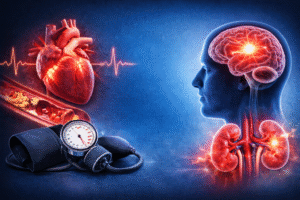
How High Blood Pressure Affects Your Heart, Brain, and Body
High blood pressure—also known as hypertension—is one of the most common and dangerous cardiovascular conditions worldwide. Often called the “silent

Stress and Heart Disease: How to Protect and Improve Your Heart Health
Chronic stress is increasingly recognized as a major risk factor for cardiovascular disease. Many high-performing, Type A individuals juggle demanding
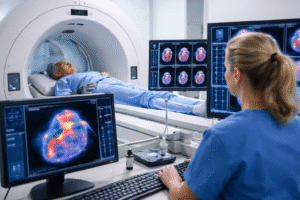
What Is Nuclear Cardiology? Tests, Benefits, and What Patients Should Know
Nuclear cardiology is a specialized field of cardiovascular medicine that uses safe, low-dose radioactive tracers combined with advanced imaging technology